

Blog
How to Choose Running Clothes That Last Longer

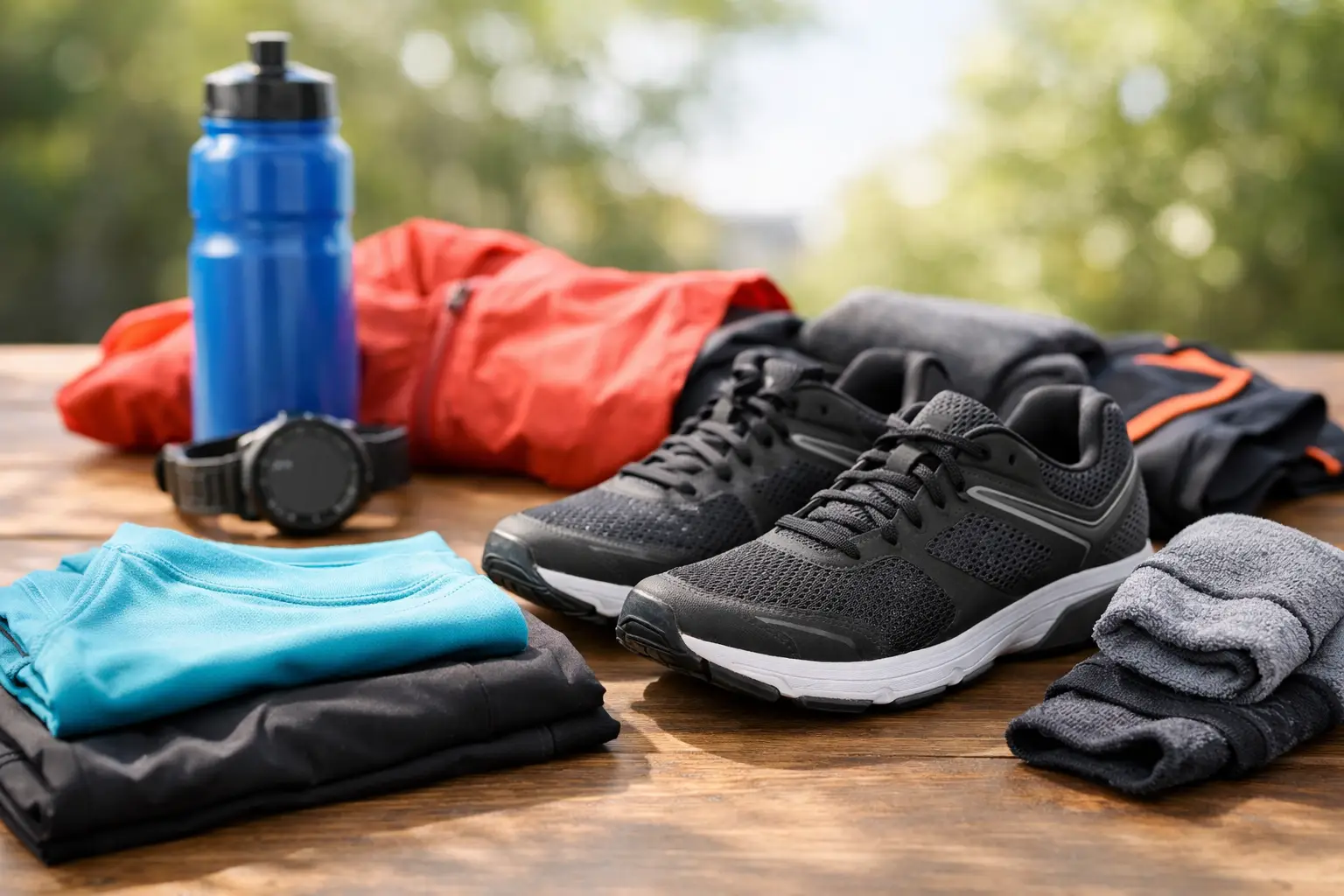
That favourite running top that starts bobbling after a few washes is not just annoying – it is expensive, wasteful, and completely avoidable. If you want running clothes that last longer, the answer is not building a bigger kit drawer. It is choosing better from the start and treating each piece like gear with a job to do.
For runners, durability is not a nice extra. It affects comfort, confidence, and how often you need to replace the basics you rely on every week. Good kit should handle sweat, washing, weather, friction, and repeat wear without losing shape or performance. If it cannot do that, it is not really good value, no matter how cheap it looked at checkout.
Why running clothes that last longer matter
Running gear lives a hard life. It gets soaked with sweat, stretched in motion, rubbed by straps and seams, and washed far more often than most everyday clothing. That means poor construction shows up fast. Waistbands twist, fabric goes thin, stitching gives way, and tops that once felt light and breathable start clinging in all the wrong places.
There is also the bigger picture. Fast fashion has trained people to expect short product lifespans, but that model makes no sense for runners. The more often you replace shorts, socks, tops, and layers, the more money you spend and the more waste you create. Buying fewer, better pieces is not about perfection. It is a practical way to get reliable performance while reducing unnecessary consumption.
Start with fabric, not marketing
The quickest way to judge whether a piece of kit will last is to look past the slogan on the label and pay attention to the fabric itself. Durable running clothing usually feels balanced. It should be light enough to move in, but not so thin that it becomes see-through, fragile, or prone to snagging after a handful of sessions.
Synthetic performance fabrics often outperform natural fibres for hard use because they manage sweat well and tend to dry quickly. But not all synthetics are equal. A flimsy polyester top can wear out faster than a better-made recycled blend. The real question is whether the fabric has enough structure to cope with repeated washing and friction.
Stretch matters too, but only to a point. A small amount of elastane can improve comfort and shape retention. Too much can mean the garment loses recovery over time, especially if it is regularly exposed to heat in washing or drying. Compression-style pieces are a good example. They can feel supportive at first, but cheap versions often bag out quickly.
If a fabric feels overly delicate before you even run in it, trust that instinct. Performance should not feel disposable.
Fit is not just about comfort
A poor fit can shorten the life of otherwise decent kit. When clothing is too tight, seams and fabric panels take extra strain every time you move. When it is too loose, it can rub repeatedly in the same places, causing friction wear and making pilling more likely.
This is especially important in high-movement areas such as the inner thigh, underarms, waistband, and shoulders. Runners often focus on whether a garment feels comfortable standing still, then discover the problem three kilometres in. Long-lasting gear needs to work in motion.
That is why smart design matters. Raglan sleeves can reduce shoulder stress. Flat seams can lower the chances of chafing and seam failure. Waistbands should stay put without needing constant adjustment. A top or pair of shorts that you fiddle with on every run is already telling you something.
Construction tells the truth
If you want running clothes that last longer, construction is where the real story sits. Strong stitching, stable seams, and quality finishing are what keep a garment together after months of wear.
Look closely at joins, hems, waistbands, and pockets. These are common failure points. Loose threads, uneven stitching, and thin elastic are warning signs. So are decorative features that do not support performance. Extra zips, awkward panels, and needless trims can add weak spots without adding value.
Simple, functional kit often lasts longer because there is less to fail. That does not mean basic in a boring sense. It means every feature should earn its place. Reflective details, secure storage, and practical layering design can all be worthwhile. Random extras usually are not.
There is a trade-off here. Ultralight race gear may prioritise minimal weight over long-term toughness. That can make sense if you are buying for a specific purpose. But for everyday training, durability should carry more weight in the decision.
Build a smaller kit rotation that works harder
A lot of runners wear out clothing early because they rely on the same two or three pieces every week. Even good kit benefits from recovery time between wears and washes. A smarter rotation spreads the load.
That does not mean buying in bulk. It means owning enough to match your training habits. If you run four times a week, having a dependable set of tops, shorts or tights, socks, and outer layers gives each item a better chance of lasting. One reliable weatherproof layer and a few versatile training staples will usually serve you better than a pile of trend-led pieces you barely use.
Cross-functional design helps here. Clothing that works across easy runs, gym sessions, walks, and travel tends to earn its keep. It also reduces the temptation to keep buying new items for narrow use cases.
This is where a principled brand approach matters. At 4R, the idea is simple – buy kit that performs, lasts, and does not ask you to compromise your values. That is a better system than chasing throwaway bargains every season.
How to care for running kit without ruining it
Even the best-made clothing will wear out faster if you wash it badly. Most damage happens after the run, not during it.
Wash running gear cool, use a gentle cycle, and avoid overloading the machine. Heavy items such as towels or jeans can increase friction and break down lightweight technical fabrics. It also helps to turn garments inside out, especially if they have printed details or exposed outer surfaces that can pill.
Fabric conditioner is often a bad idea for technical kit because it can leave residue that affects moisture management. High heat is another common mistake. Tumble drying can weaken elastic fibres and shorten the life of waistbands, leggings, and fitted tops. Air drying is slower, but it is kinder to the gear you depend on.
Do not ignore storage either. Stuffing damp clothing into a bag for hours after a run can lead to lingering odour and fabric breakdown. Let kit dry out before washing if you cannot clean it straight away.
What usually wears out first
Some parts of running clothing naturally take more punishment than others. Inner-thigh panels on shorts and tights often go first because of repeated friction. Underarms can degrade through a mix of movement, sweat, and washing. Waistbands lose their grip when elastic is poor quality or regularly overheated.
Socks deserve a mention too. They are easy to treat as disposable, but good running socks can last surprisingly well if the heel, toe, and arch support are built properly. If your socks wear through quickly, it is worth checking your shoe fit as well as the sock quality.
Outer layers can fail in different ways. Water-resistant finishes fade, zips become unreliable, and cuffs lose shape. Sometimes that is normal wear. Sometimes it is the result of poor finishing from day one. The lesson is the same – buy for repeated use, not just first impressions.
Price matters, but value matters more
Expensive does not automatically mean durable. Cheap does not always mean false economy either. But when a piece of clothing is priced suspiciously low, corners have usually been cut somewhere – fabric quality, stitching, fit development, or ethical production.
The sweet spot for most runners is dependable mid-range gear designed for regular training. You want clothing that performs well, survives frequent wear, and does not make sustainability feel like a luxury add-on. That balance is possible, but only if brands build with intention rather than speed.
A good question to ask before buying is simple: will I still want to wear this in a year? If the answer is no because the style feels throwaway, the fabric seems flimsy, or the fit is too fussy, leave it behind.
Choosing running clothes that last longer in real life
The best buying decisions are rarely the most exciting ones. A durable pair of shorts that never chafes, a breathable top that keeps its shape, or a dependable layer for dark winter miles will do more for your running than another impulse purchase dressed up as motivation.
Think like a runner, not a collector. Choose fabrics with substance, fit that works in motion, and construction that can cope with repetition. Wash with care. Rotate what you own. Buy fewer pieces, but expect more from each one.
Your running kit should keep up with your effort, not become another thing to replace. When clothing lasts, it supports better habits – for your training, your wallet, and the planet. That is the kind of progress worth wearing.