

Blog
Why Cross Functional Running Clothing Works

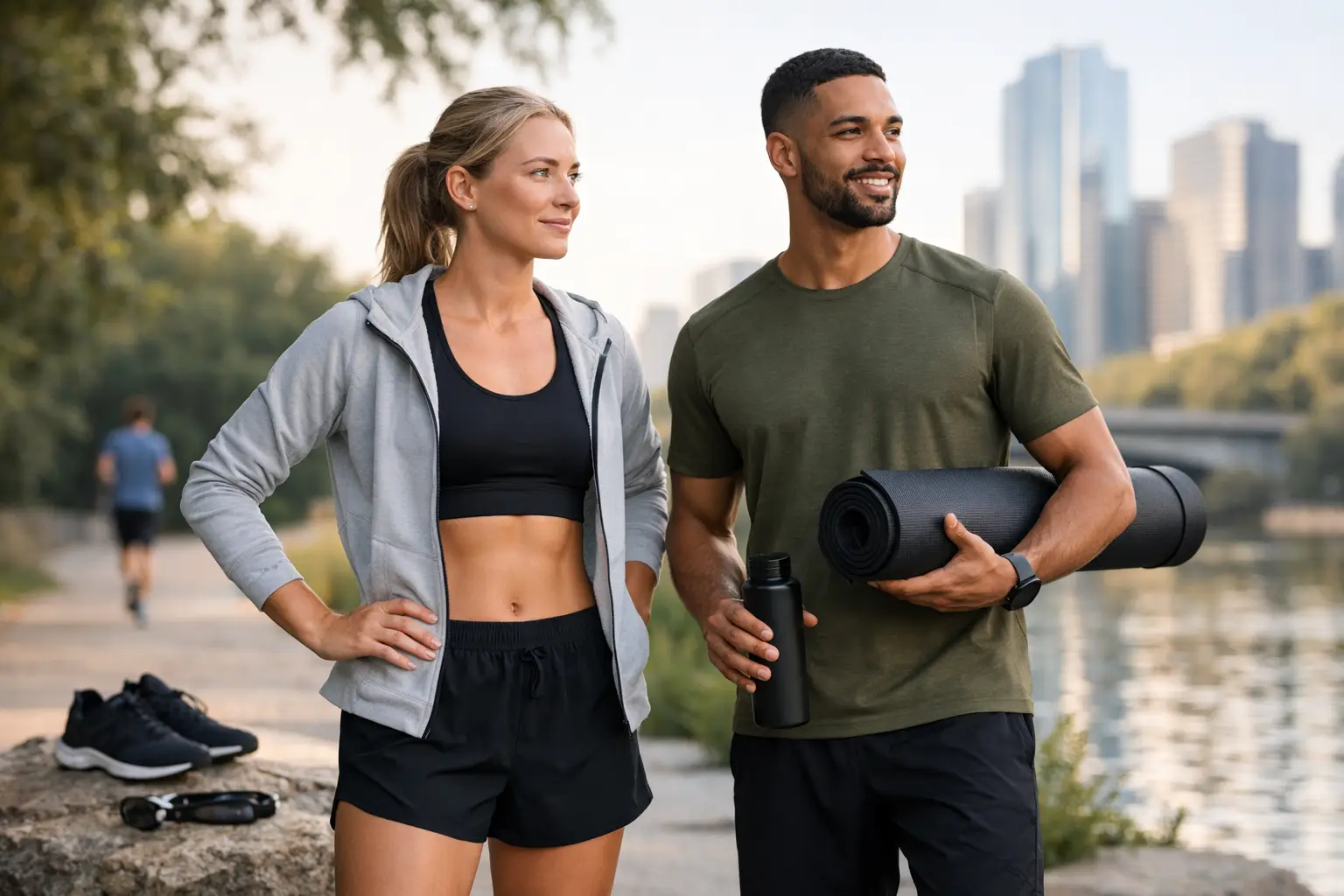
That flimsy top that feels fine for one easy jog but fails on a windy commute, a gym session or a longer run is exactly the problem. Cross functional running clothing exists to do more than one job well, so you can train, move through the day and buy less without settling for kit that falls apart after a season.
For everyday runners, that matters. Most people do not need a wardrobe packed with single-purpose pieces for every temperature, distance and workout type. They need gear that is comfortable on the run, practical in real life and tough enough to keep going. That is where cross functional thinking earns its place – not as a trend, but as a smarter way to dress for movement.
What cross functional running clothing actually means
Cross functional running clothing is built to handle more than one setting, demand or weather shift. A good piece should work for your steady 5K, your warm-up, your coffee stop after training and the rest of your active day without feeling like a compromise.
That does not mean one item can do everything perfectly. A featherlight racing vest still has a different job from a thermal layer built for winter miles. But many runners buy too many narrowly designed items when a smaller collection of well-made essentials would serve them better.
The best cross functional pieces usually share a few traits. They manage sweat well, feel comfortable over time, layer easily and stand up to repeated washing and use. They also tend to look clean and unfussy, so they can move beyond the run rather than screaming “technical kit” the moment you step indoors.
Why runners are moving towards cross functional running clothing
There is a practical reason first. Most runners train in the real world, not in ideal conditions. One week brings cold starts and bright sun by lunch. One day you run before work, the next you squeeze in a session after a strength workout. Clothing that can adapt makes that routine easier.
There is also the cost question. Filling drawers with specialist gear gets expensive quickly, especially if some pieces only come out a few times each year. Buying fewer, better items that can handle multiple uses often gives better value over time.
Then there is the environmental side, which should not be brushed aside. Fast fashion has pushed people towards disposable sportswear – cheap fabrics, weak stitching and a constant cycle of replacement. Cross functional clothing pushes back against that. If one dependable top replaces three poor ones, that is less waste, less clutter and a more honest way to buy.
The features that matter most
Fabric is where everything starts. If the material traps sweat, sags after washing or rubs when you pick up pace, the rest hardly matters. You want fabric that feels light enough to move in, but substantial enough to last. Breathability matters, but so does recovery – the ability of a garment to hold its shape after repeated wear.
Fit is just as important. Cross functional kit should not be so compressive that it only works on hard sessions, and it should not be so loose that it bounces or chafes on a run. The sweet spot is a fit that moves cleanly with the body and layers without bulk.
Pockets, seams and visibility details deserve more attention than they get. Flat seams can mean the difference between a comfortable hour and a miserable one. A secure pocket can remove the need for another accessory. Reflective elements can make a piece more useful when your runs happen early or late. Small details often decide whether something is genuinely cross functional or simply marketed that way.
Fewer pieces, better combinations
A strong running wardrobe does not need to be large. It needs to be thought through.
A breathable short-sleeve top can cover easy runs, indoor training and warmer days. A long-sleeve layer can handle cooler weather on its own or sit under a light jacket when conditions turn. Shorts that stay put and dry quickly can work across road runs, treadmill sessions and general training. Add a reliable outer layer and you already have most situations covered.
This is where runners can save money and reduce waste at the same time. Instead of buying for a fantasy version of your routine, buy for the conditions and sessions you actually repeat. If you run three times a week in mixed weather, your best investment is not the most technical niche product. It is the piece you will reach for constantly because it keeps doing the job.
Where cross functional clothing can fall short
There is no point pretending every multi-use item is automatically better. Sometimes specialisation wins.
If you are racing seriously, you may want a lighter, more stripped-back option designed purely for speed. If you run through deep winter, you may need a dedicated thermal layer rather than a versatile midweight top. If you spend long hours on the trails, storage and protection needs can shift again.
That is the real trade-off. Cross functional running clothing is about covering the majority of your training well, not every extreme scenario perfectly. For most runners, that is a smart balance. For very specific goals, a few specialist pieces may still deserve space.
Sustainability only counts if the gear lasts
Plenty of brands talk about sustainability while producing clothing that loses shape, pills quickly or ends up forgotten after a handful of runs. That is not progress. Durable kit is part of the sustainability equation, not a bonus feature.
The more uses you get from one garment, the lower its impact across its life. Ethical production matters. Better fabric choices matter. But longevity matters too. A responsibly made item that keeps performing year after year does more good than a cheaply made “eco” piece that needs replacing before the season is out.
That is why cross functional design fits so well with a more responsible approach to running gear. It encourages intentional buying. It asks a simple question before you purchase anything: will this work hard enough to earn its place?
How to choose the right pieces for your routine
Start with honesty. Look at when you run, where you run and what usually gets in the way. If your biggest issue is overheating, prioritise moisture management and lightweight layering. If your problem is dark winter training, visibility becomes part of functionality, not an afterthought.
Next, think in systems rather than single items. A top is not just a top if it needs to work under a jacket, alongside a vest or through changing temperatures. The same goes for accessories. A reliable headlight, reflective strap or anti-chafe product can make your clothing work better because the whole setup becomes more adaptable.
Finally, judge clothing by repeated use, not first impressions. A piece might feel impressive fresh out of the packet, but the real test is whether it still fits, performs and feels comfortable after weeks of training and washing. Brands such as 4R have built their case on this simple idea – practical running kit should earn trust through reliability, not hype.
A smarter wardrobe for real runners
The best gear supports your run without demanding constant attention. It lets you focus on pace, effort and the simple reason you went out in the first place. Cross functional running clothing does exactly that when it is made well. It reduces decision fatigue, cuts down waste and keeps your kit bag working harder.
You do not need endless options to be ready. You need dependable pieces that can handle more than one role, in more than one condition, for more than one season. Buy with purpose, wear what works, and let every item prove its value out on the road.