

Blog
Running Wardrobe Capsule Example for Real Life

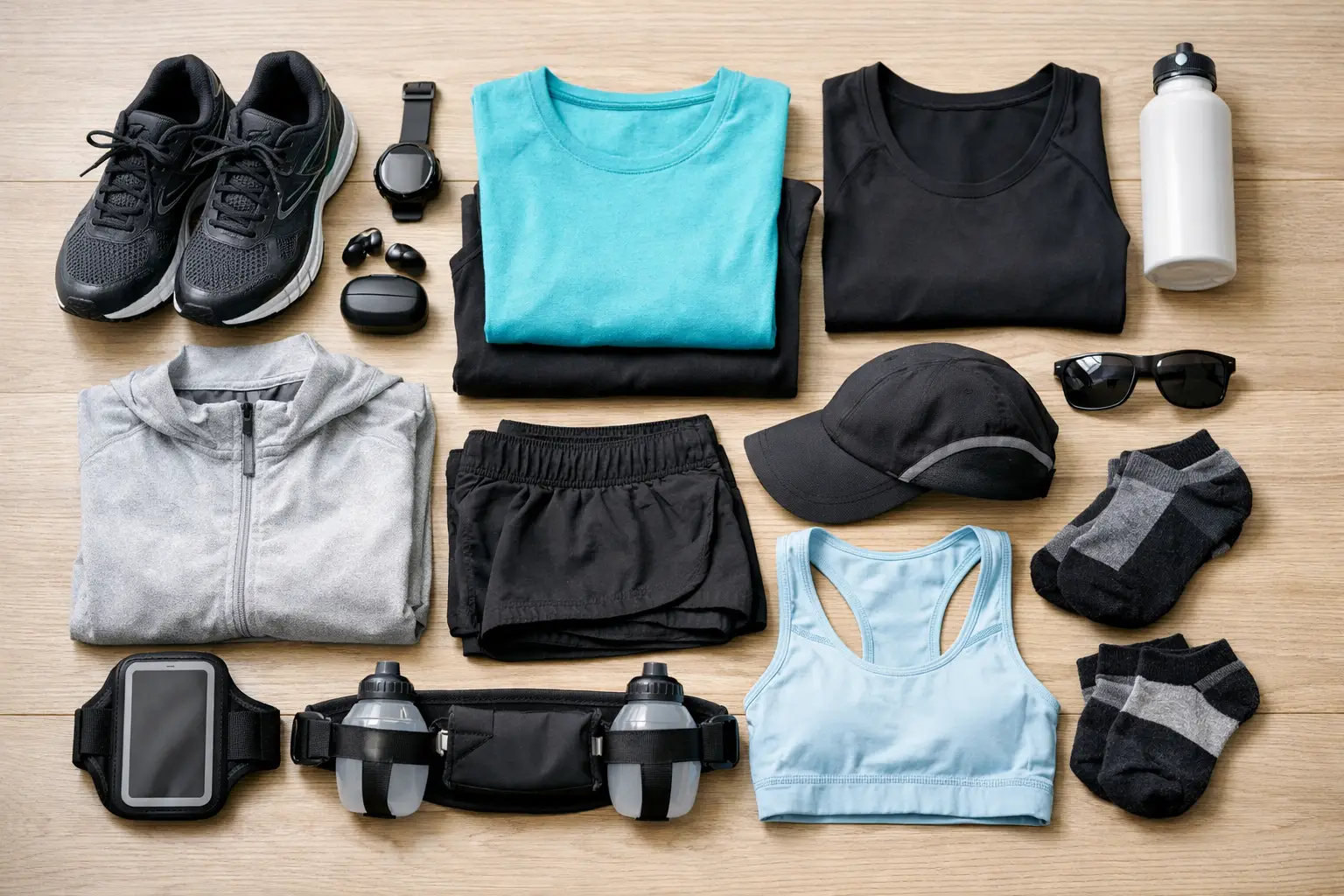
When your running drawer is full but you still feel like you have nothing right for the weather, the pace or the laundry cycle, you do not need more kit. You need a better system. A running wardrobe capsule example gives you that system – a smaller set of dependable pieces that work harder, last longer and cut out the clutter that fast-fashion sportswear creates.
For most runners, the problem is not a lack of options. It is too many single-use buys, too many poor fabrics, and too many pieces that only work in one set of conditions. A running capsule strips that back. You keep what performs, remove what does not, and build around repeat use. That is good for your budget, good for your routine and better for the planet.
What a running wardrobe capsule example actually looks like
A practical running capsule is not a minimalist challenge where you suffer through winter in one top and one pair of shorts. It is a tight, flexible kit rotation built for the runs you actually do. For most everyday runners, that means covering easy miles, one or two harder sessions, a long run, and changing weather.
A strong starting point is two technical tops, two bottoms, one supportive layer for colder days, one waterproof outer layer if your climate demands it, enough socks to cover your weekly mileage, and the accessories that solve real problems rather than sit unused in a drawer. Think anti-chafe protection, visibility gear for dark mornings, and laces that stay put. That is a wardrobe built around function, not impulse.
The exact numbers depend on how often you run and how often you wash kit. If you run twice a week, your capsule can stay very lean. If you run five or six times, you need more rotation to avoid panic-washing the night before a session. The point is not owning the fewest items. The point is owning the right ones.
Start with your weekly running reality
Before you buy anything, look at your actual routine. If most of your runs happen before work in low light, visibility matters more than another stylish top. If you train through wet winters, a lightweight layer that keeps the weather off will earn its place fast. If you are dealing with discomfort over longer distances, anti-chafe support is not optional. It is part of the kit.
This is where many runners go wrong. They build a wardrobe around an ideal version of themselves – race-ready, training daily, somehow always in perfect weather. A capsule should be honest. Build it for your current mileage, your local conditions and your habits. You can always add one or two pieces later if your training changes.
The core pieces worth keeping in rotation
Your tops should cover warm and mild conditions without needing constant replacements. Two good technical tops are often enough for a beginner or intermediate runner. Look for breathable fabric, a cut that does not cling awkwardly when wet, and stitching that will not rub once the miles add up. If one top only feels comfortable for short runs, it is not earning space.
For bottoms, most runners do well with one pair of shorts and one pair of tights or leggings. That combination gives you year-round range. If you live somewhere colder or run frequently in winter, a second pair of leggings can be worth it. If you only run in mild weather, two shorts may make more sense. Again, the capsule should match your life, not a checklist.
A mid-layer or long-sleeve top can be the difference between skipping a run and getting out the door. This piece should be versatile enough to wear alone on cool days or under a jacket when the temperature drops. It does not need to be bulky. It needs to regulate warmth without becoming damp and heavy.
Then there is the outer layer. Not every runner needs a jacket in their capsule, but many do. If your area gets regular wind and rain, one reliable lightweight jacket can cover a lot of ground. The mistake is buying a coat that feels protective but turns every run into a sweat box. Weather resistance matters, but breathability matters too.
Accessories are not extras if they solve a real problem
A good running wardrobe capsule example should include the small items that make running more comfortable and safer. This is where runners often either overspend on gimmicks or underprepare and regret it later.
Socks deserve more respect than they usually get. A few pairs of well-fitting running socks can spare you blisters, hot spots and general misery. Cheap multi-packs often look like a saving until they bunch, slide or wear through quickly.
Anti-chafe balm belongs in plenty of runners’ regular routine, especially for longer runs, warmer weather or wet conditions. If chafing is what ruins your consistency, solving it is part of building a smarter kit.
Visibility gear is another easy win. Reflective vest straps or an LED chest light can transform early morning or evening running, especially through autumn and winter. These are not dramatic purchases, but they are practical ones. If a product helps you stay seen and stay out running safely, it has earned its place.
No-tie elastic laces are one of those simple upgrades that reduce fuss. They will not change your fitness, but they can remove a small irritation every time you head out. A capsule works best when the whole system feels easy to use.
How to build a capsule without wasting money
Do not throw everything out and start again. That usually creates the same waste you are trying to avoid. Start by laying out your current kit and asking three blunt questions: do I wear it, does it perform, and would I buy it again? If the answer is no to two of those, it is probably not capsule material.
Keep the pieces that consistently get used. Be ruthless with duplicates that offer nothing different. Five black running tops are not a capsule. They are a sign that marketing has been busy. What you want is a smaller mix where each item has a clear role.
If there are gaps, fill them slowly. Prioritise the pieces that solve your biggest friction point first. That might be a dependable pair of tights, better visibility for dark runs, or a chafe solution for long distances. Build in order of impact, not in order of what looks good in a basket.
This approach is better financially and more sustainable. It also helps you spot quality more clearly. When you stop buying in bulk, you start noticing whether a fabric holds shape, whether seams stay comfortable and whether an item still performs after repeated washes.
A sample running wardrobe capsule for everyday runners
For someone running three to four times a week, a realistic capsule could be two technical short-sleeve tops, one long-sleeve top, one pair of shorts, one pair of leggings, one lightweight weather layer, three to four pairs of running socks, one anti-chafe product, one visibility item for low light, and one pair of reliable running shoes. That is enough to support regular training without turning your home into a stockroom.
If you run more often, travel for races, or face bigger weather swings, you may need a few more pieces. A second pair of bottoms or another top can make sense. But notice the principle here: every addition should make the wardrobe more useful, not just bigger.
That is where durable, ethically made kit stands apart. A smaller wardrobe only works if the products can stand up to repeated wear. Cheap sportswear often promises value but demands constant replacement. That is not affordable in the long run, and it certainly is not sustainable.
The trade-off: less choice, better decisions
There is one honest downside to a capsule. You give up variety. If you enjoy endless outfit choices, a tighter wardrobe can feel repetitive at first. But most runners find the trade-off worth it. Less decision-making before a run means fewer excuses, faster starts and more confidence that whatever you pull on will work.
There is also a mindset shift. A capsule is not about deprivation. It is about backing yourself with fewer, better tools. That suits running well. The sport is already clear-cut. You train, recover, repeat. Your wardrobe should support that simplicity, not fight it.
A lot of runners are ready for this change without realising it. They are tired of disposable kit, tired of spending money twice, and tired of clothes that claim performance but fail under pressure. A thoughtful capsule is a practical answer. It cuts waste without cutting standards.
If you want your running wardrobe to work harder, start small and start honestly. Keep what proves itself, replace what does not, and choose pieces that earn every mile. The best kit is not the kit you own most of. It is the kit that gets you out the door again tomorrow.