

Blog
Best No Tie Laces Running: What to Choose

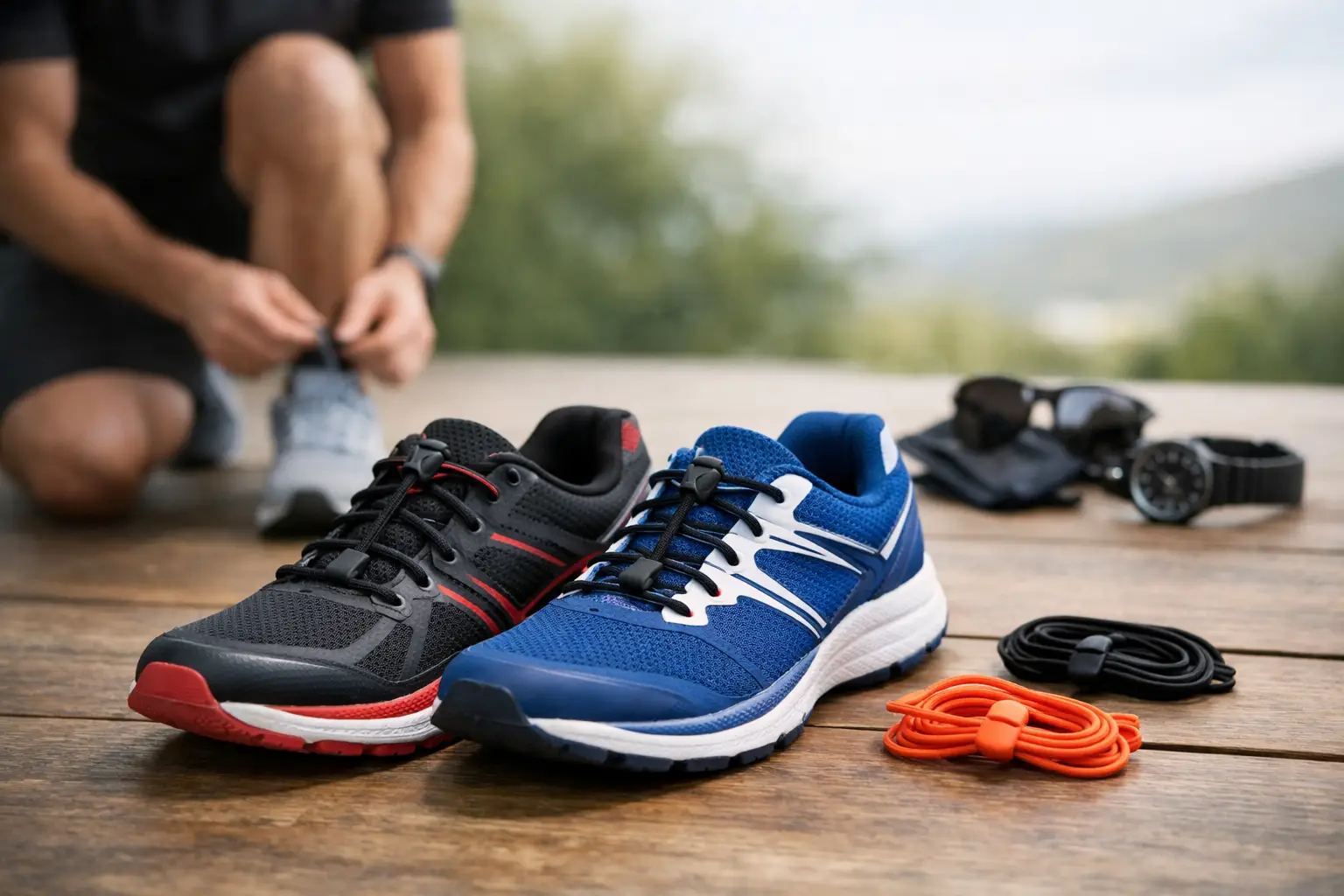
A lace coming loose at 6km is annoying. A lace digging into the top of your foot for a full session is worse. That is why more runners searching for the best no tie laces running option are not chasing a gimmick – they are looking for one small upgrade that removes friction from every single run.
No-tie laces make sense for real life. You step in, pull on your shoes, and go. No stopping to retie. No double knots that turn into a wrestling match when your hands are cold. No loose loops flapping against your ankle. For beginners, they make running feel simpler. For regular runners, they cut out one more thing that can go wrong.
The catch is that not all no-tie laces work well for running. Some feel too elastic and let your foot slide around. Some create pressure points. Some lose tension after a few weeks and stop doing the job. If you want a pair that earns its place, you need to look beyond the promise of convenience.
What makes the best no tie laces running worthy?
For running, the right lace system has to do two jobs at once. It must hold your foot securely enough to stop movement inside the shoe, while still allowing a bit of give as your foot expands during effort. That balance matters more than most runners realise.
If the lace is too stiff, the fit can feel harsh across the midfoot. That often shows up as numbness, rubbing, or a hot spot on the top of the foot. If it is too stretchy, the opposite problem appears – heel lift, sliding on corners, and a vague feeling that your shoe is not quite connected to you. Neither is good when you are trying to settle into a rhythm.
The best no-tie setups also stay consistent. You should be able to lace your shoes once, find your preferred tension, and trust that the fit will still feel right on tomorrow’s run. That is the real test. A product that feels clever on day one but slips, frays or loosens quickly is just another disposable accessory, and runners do not need more of those.
Best no tie laces running: the features that matter
Elasticity is the first thing to judge. Moderate stretch tends to work best for most runners. It gives enough flexibility for comfort, especially on longer efforts or warmer days when feet swell slightly, but not so much that the shoe loses structure. Very soft elastic can feel nice while standing still, yet under running load it may turn unstable.
Adjustment matters just as much. A good no-tie system should let you fine-tune tension across the whole shoe rather than forcing one tightness everywhere. Different runners need different things. Someone with a high instep may want extra room through the middle. Someone who gets heel slip may need a firmer hold near the top eyelets. One fixed setting rarely suits everyone.
Locking hardware is another detail worth respecting. The fastener needs to stay put through repeated impact, sweat, rain and regular wear. If the clasp shifts or the anchor feels flimsy, the fit changes mid-run. That is exactly what you are trying to avoid.
Then there is durability. Running kit should work hard and last. Laces are no exception. A pair that stretches out, cracks, or loses grip after a month is poor value, even if it was cheap at the checkout. Better to buy once and keep using them than cycle through throwaway accessories that end up in the bin.
Who benefits most from no-tie laces?
Plenty of runners do. If you are new to running, no-tie laces remove a small but surprisingly common source of irritation. You spend less time fiddling and more time moving. That simplicity helps build consistency, and consistency is where progress starts.
They are also useful for runners who train early, commute to parkrun, or squeeze sessions into busy days. Fast on, fast off, no fuss. If you have ever tried tying laces with numb winter fingers or in the dark before a headtorch run, you already know why that matters.
Runners with pressure sensitivity often like them too, because a well-set elastic lace can spread tension more evenly than a standard knot. That said, it depends on the shoe and on your foot shape. If your shoes already fit badly, no lace system will fully solve it. Laces can improve fit, but they cannot rescue the wrong shoe.
Triathletes have used no-tie laces for years for quick transitions, but you do not need to race to benefit from them. Everyday runners may get even more value because they use them again and again across ordinary training miles.
When standard laces may still be better
There are trade-offs. If you want a very precise race fit, especially in a firm, performance-focused shoe, traditional laces can still offer more exact adjustment. Some runners simply prefer the locked-in feel of a carefully tied knot with a runner’s loop at the top.
Trail running can also complicate things. On moderate paths, no-tie laces can be absolutely fine. On technical ground with sharp direction changes and steep descents, some runners prefer less stretch and more hold. It depends on your shoe, terrain and how aggressively you run downhill.
If you are carrying an injury or dealing with swelling, sensitivity or foot numbness, experimentation is sensible. Comfort first. A no-tie system that works brilliantly for one runner may feel wrong for another.
How to choose the right pair for your running shoes
Start with your current fit. Ask yourself what you are trying to improve. If your main frustration is loose knots and wasted time, you can choose a balanced elastic lace with straightforward adjustment. If your issue is pressure across the foot, look for a system that allows gentler tension and easy micro-adjustments. If your heel slips, focus on secure locking and enough structure at the top of the shoe.
Next, think about the type of running you actually do. Easy road miles, gym sessions and daily wear suit most decent no-tie systems. Faster sessions and longer runs demand more consistency. The lace should hold shape and tension over distance, not just feel comfortable for ten minutes around the house.
Pay attention to materials. Durable elastic, solid fasteners and a finish that handles sweat and weather are worth more than flashy packaging. This is a practical product. It should be built like one.
It also helps to choose brands and products that align with your wider values. Running already creates enough consumption pressure without adding more pointless waste. Accessories should earn their keep, last properly, and support the sport without feeding fast-fashion habits. That is one reason products designed with durability in mind tend to stand out.
Getting the fit right matters more than the brand name
Even the best no tie laces running product will disappoint if you install it badly. Take a few extra minutes at the start. Lace both shoes evenly. Stand up, walk around, then do a few short jogs. Your foot should feel held, not strangled.
A good rule is this: secure in the heel, comfortable in the midfoot, relaxed enough in the forefoot that your toes are not being forced backward. If you feel tingling, pinching or top-of-foot pressure, back the tension off. If your heel lifts or your foot shifts on turns, tighten slightly.
Do not judge the fit only while sitting down. Running changes things. Feet warm up, swelling increases, and impact exposes weak spots. Test them on a short run before trusting them for a long one.
A smarter small upgrade
No-tie laces are not going to transform your training on their own. They will not fix poor shoes, inconsistent running, or skipped recovery. But the best running gear is often the gear that quietly removes excuses and irritation.
That is exactly where no-tie laces earn their place. They make your kit simpler, your routine quicker, and your runs less fiddly. When they are comfortable, durable and properly adjusted, they stop being a novelty and start becoming part of a setup that simply works.
For runners who want dependable kit without the waste and churn of disposable add-ons, that is the point. Choose a pair built to last, get the fit right, and let one less problem come with you out the door.