

Blog
Anti Chafe Balm vs Petroleum Jelly

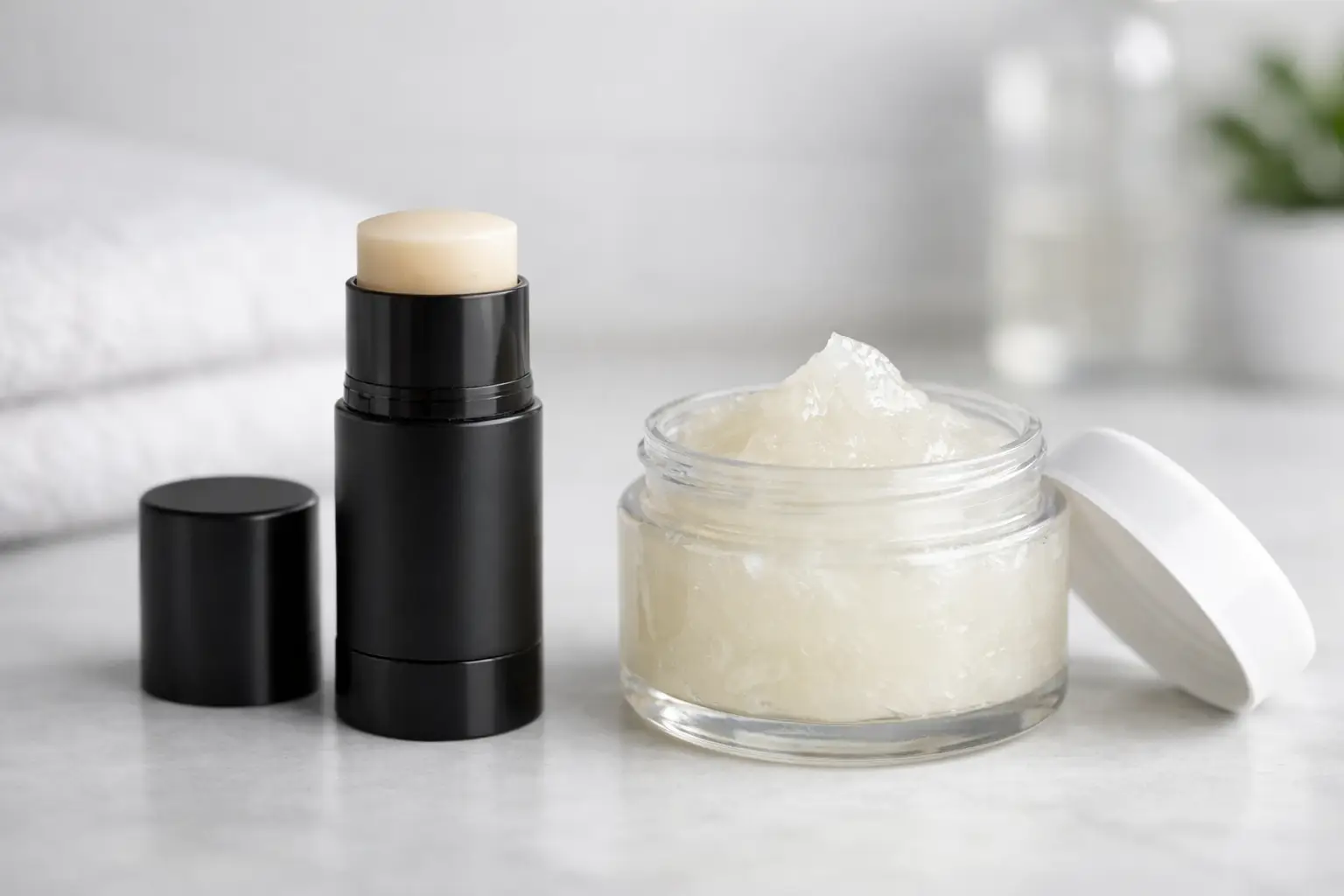
Mid-run chafing can ruin a good session faster than heavy legs. If you are weighing up anti chafe balm vs petroleum jelly, the real question is not which one is cheaper or more familiar. It is which one keeps you comfortable for longer, feels better on the move, and fits the way you actually train.
For runners, that matters. Chafing is not a minor annoyance when it hits your inner thighs, underarms, sports bra line, feet, or nipples halfway through a run. It changes your stride, distracts your focus, and can turn a strong day into a grim finish. The good news is that both anti-chafe balm and petroleum jelly can help. The less convenient truth is that they do not perform in the same way.
Anti chafe balm vs petroleum jelly: what is the difference?
At a basic level, both products create a barrier between your skin and friction. That is the shared job. The difference is in how they go about it.
Petroleum jelly is a thick, occlusive ointment. It sits heavily on the skin and helps reduce rubbing by coating the area. It is simple, widely available, and usually inexpensive. That is why many runners have tried it at some point.
Anti-chafe balm is usually designed specifically for movement. Rather than feeling like a dense ointment, it tends to glide on in a lighter layer and is made to stay put while you sweat, stretch, and keep moving. Many formulas are less greasy, easier to apply cleanly, and more practical for repeated use before training or racing.
That difference sounds small until you are five miles in and your kit, skin and sweat are all working against each other.
Why runners often prefer balm
Running is repetitive. The same spots rub thousands of times in one session. What works for a short walk or a day at home does not always hold up during a tempo run, long run, or warm-weather effort.
A good anti-chafe balm is built with that in mind. It usually applies more evenly, feels less sticky, and is less likely to leave an unpleasant greasy residue on clothing. That matters if you are wearing fitted shorts, technical tops, or a sports bra that already has enough pressure points built in.
It is also easier to use with precision. Most balms come in a stick or similarly controlled format, so you can swipe it exactly where you need it without coating your hands in product first. For busy runners, that is not a small win. Less mess means you are more likely to use it properly and consistently.
Petroleum jelly can still help, especially in a pinch, but it often feels heavier. Some runners do not mind that. Others find it clings to fabric, transfers too easily, or becomes uncomfortable once heat and sweat build up.
Performance on short runs versus long runs
This is where anti chafe balm vs petroleum jelly becomes more than a texture preference.
On shorter runs, petroleum jelly may do the job well enough. If you are heading out for a gentle 5K in cool weather and only have one problem area, you might not notice much difference. It can reduce friction and get you through the session.
On longer runs, though, weaknesses show up faster. Sweat, body heat, and constant movement can break down a basic layer more quickly than many runners expect. The product may shift, thin out, or leave skin feeling overexposed by the time you are still well away from home.
Anti-chafe balm is generally the stronger choice for distance because it is made for repeated motion. That does not mean every balm performs perfectly for every body. It depends on your skin, your pace, your clothing, and the weather. But if you are training regularly and dealing with recurring hot spots, a purpose-made balm usually gives you a better shot at consistent comfort.
Which feels better on the skin?
Comfort is not just about whether chafing happens. It is also about whether the product itself feels wearable.
Petroleum jelly is thick and glossy. Some runners like the protective feel. Others find it too greasy, especially in warmer weather or under fitted clothing. If you already dislike sticky creams or heavy skincare products, petroleum jelly may feel like something you have to tolerate rather than something that works with you.
Anti-chafe balm tends to feel drier and cleaner once applied. That can make a big difference if you use it on multiple areas such as thighs, chest, feet, or under a heart rate strap. You want friction protection, not the sensation that you have been coated in something heavy before the run has even started.
There is also the after-run factor. A cleaner-feeling product is often easier to live with once training is done. Less residue on skin and kit means less irritation and less hassle.
Anti chafe balm vs petroleum jelly for clothing and kit
Runners do not just think about skin. They think about shorts, bras, tops, socks, and whether anything is going to feel worse after thirty minutes.
Petroleum jelly can leave oily marks on fabric, particularly lighter colours or thinner technical materials. It may also collect lint, grit, or sweat in a way that feels unpleasant during longer efforts. If you are already investing in gear that is built to last, coating it in something messy every day is not ideal.
Anti-chafe balm is often the more kit-friendly option because it is designed around active use. That does not mean every formula is completely invisible on fabric, but in general it is less likely to feel sloppy or transfer as easily. For runners who care about practical, durable gear and do not want disposable fixes, that matters.
Cost matters, but so does value
Petroleum jelly usually wins on headline price. If you compare tub to tub, it often looks like the budget option.
But runners know cheap is not always good value. If a product is messier, less reliable on long runs, and more likely to need frequent reapplication, the lower price stops looking quite so clever. The better question is how well it solves the problem.
Anti-chafe balm often costs more upfront because it is a more specialised product. Yet if it performs better, lasts longer through a run, and helps you avoid sore skin that disrupts training, it can easily be the better-value choice. Reliable gear is worth more than bargain fixes that only work half the time.
That thinking sits at the heart of smarter running kit generally. Buy the thing that earns its place. Skip the waste.
When petroleum jelly still makes sense
There are a few situations where petroleum jelly is perfectly reasonable.
If you are at home, out of balm, and need a quick pre-run fix, it can help. If you are dealing with light friction over a short distance, it may be enough. Some runners also use it in cold weather when they want a thicker barrier on exposed skin.
It can also suit people who are not especially sensitive to texture and do not mind applying it by hand. If you only chafe occasionally and do not want a dedicated product yet, petroleum jelly is a simple starting point.
The trade-off is that it is more of a general-purpose workaround than a runner-first solution.
When anti-chafe balm is the better call
If you run regularly, sweat heavily, train in warmer weather, or deal with repeated friction in the same areas, anti-chafe balm is usually the smarter choice. It is especially useful for long runs, race days, and any session where comfort has to last.
It also makes sense if you want something easier to apply, less messy on your hands and kit, and more pleasant to wear. For many runners, that combination is what turns anti-chafing from an occasional patch-up job into a proper routine.
And routines matter. The small products that help you train without distraction are often the ones that keep momentum going.
How to choose between them
If you are still unsure, be honest about your training. Not your ideal training plan – your real one.
If you run once in a while, cover short distances, and just need a basic fix now and then, petroleum jelly may be enough. If you run consistently and want dependable comfort with less mess, anti-chafe balm is likely worth it.
Think about where you chafe too. Feet, inner thighs and bra lines often need something that can stay effective under pressure and sweat. Those areas can expose the limits of a basic ointment quickly.
At 4R, we believe runners deserve practical products that work hard without adding waste or complication. That applies here as much as it does to any piece of kit you pull on before a run.
The best choice is the one you will actually use, trust, and pack without a second thought – because when your skin stays comfortable, you are free to focus on the miles ahead.