

Blog
Are No Tie Laces Good for Runners?

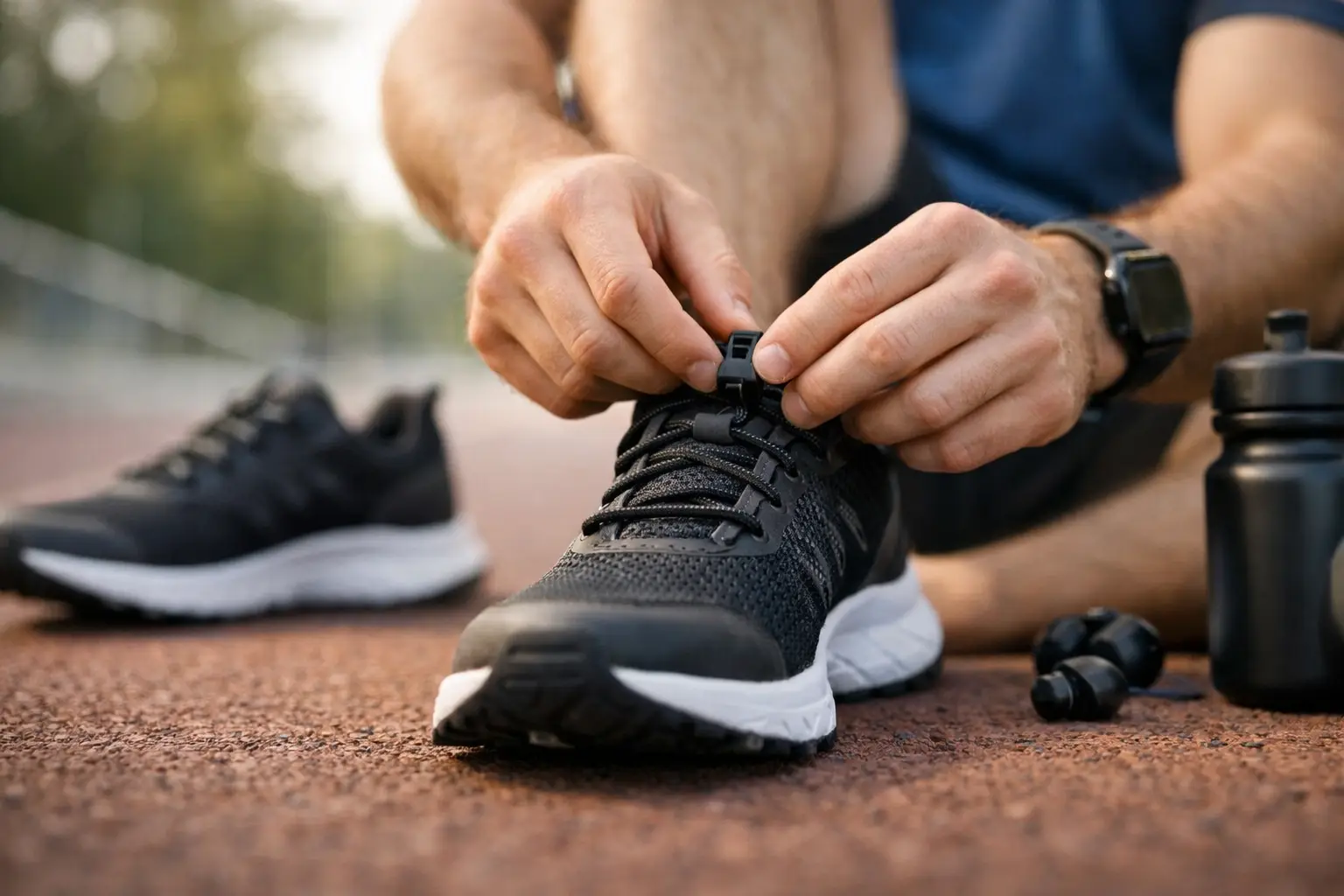
A lace coming undone at 6km is annoying. A lace coming undone during speed work, in the rain, or halfway through a race is worse. So, are no tie laces good? For a lot of runners, yes – but only when the fit, stretch and lock are right for the way you run.
No tie laces solve a very real problem. They remove the need to stop, retie and second-guess your knot. They can also make getting shoes on and off quicker, which matters more than people think when you run regularly. But they are not a magic upgrade for every shoe or every runner. Like most running kit, the value is in the details.
Are no tie laces good for everyday running?
For everyday runners, no tie laces are often a smart swap because they trade fuss for consistency. Once set properly, they hold a similar tension every time you pull your shoes on. That means less messing about before a run and less chance of a loose knot ruining the session.
That consistency is the real win. Standard laces can feel different from one run to the next depending on how tightly you tied them, whether your fingers were cold, or how rushed you were getting out the door. Elastic no tie laces create a repeatable fit. If your shoes already fit well, that repeatability can make daily running feel simpler and more reliable.
They also suit runners who use one pair for a mix of sessions – easy runs, gym work, dog walks, commuting on foot. You get a secure enough hold for movement without needing to retie every time your day changes pace.
Still, everyday running is broad. A runner doing gentle 5ks on pavements may love the comfort and convenience. Someone hammering downhill trail sections or doing aggressive track work may want a more locked-in feel than some elastic systems can provide. Good? Often, yes. Best for every run? Not always.
Where no tie laces work best
The biggest strength of no tie laces is pressure distribution. Traditional laces can create hot spots if one section is tied too tightly. Elastic laces tend to spread tension more evenly across the top of the foot. For runners with mild foot swelling during longer runs, that can feel noticeably better.
They are also useful for anyone who struggles with standard laces. That includes runners with reduced hand dexterity, those managing minor mobility issues, or anyone simply fed up with knots that slip. Practical gear should remove friction from training, not add more of it.
Triathletes have used elastic laces for years for obvious reasons, but the benefit is not limited to transitions. Busy runners appreciate anything that gets them out the door faster. If your gear routine is smoother, you are more likely to stay consistent. That matters.
There is also a durability argument when you choose well. A solid pair of no tie laces can outlast cheap standard laces that fray, stretch oddly or stop holding a knot. Buying fewer, better accessories is the more sensible route – for your kit drawer and for the planet.
The trade-offs runners should know
No gear upgrade comes free of compromise. The main drawback with no tie laces is that some runners confuse stretch with security. Elasticity can feel comfortable at first, but if the lace system has too much give, your foot may move more than it should inside the shoe. That is where rubbing, instability or wasted energy can creep in.
This matters most during faster running, sharp turns, hill sprints and uneven ground. If your foot shifts on descents or corners, comfort drops quickly. A traditional lace pattern can sometimes give a more precise hold because you can fine-tune specific zones more tightly.
The other issue is setup. No tie laces are only as good as their adjustment. If you install them too loose, the shoe feels sloppy. Too tight, and you lose the comfort benefit that made them appealing in the first place. Some runners try them once, get the fit wrong, and decide they do not work. Usually the problem is not the concept – it is the setup.
Locking systems matter too. A weak toggle or clasp can slip over time, especially in wet conditions or repeated use. That is why reliability matters more than gimmicks. Running accessories should earn their place by working again and again, not by looking clever on day one.
How to tell if no tie laces are right for you
If you are asking whether no tie laces are good, the better question is what problem you are trying to solve. If your usual laces come undone, if you hate retightening before every run, or if you want a quicker, simpler routine, no tie laces make sense.
They also make sense if your current shoes fit well but feel inconsistent from run to run. Elastic laces can stabilise that experience by giving you the same entry and hold each time. For newer runners especially, that simplicity can remove one more barrier to training.
They may be less ideal if you rely on very precise lockdown around the midfoot for races, technical trails or narrow-fitting shoes. In those cases, standard laces may still give you more control. It depends on your shoe shape, your foot shape and how demanding your sessions are.
A good rule is this: if comfort and convenience are your top priorities, no tie laces are likely a strong option. If maximum precision is your top priority, test them carefully before making the full switch.
Getting the fit right
The difference between loving no tie laces and binning them after two runs usually comes down to tension. You want the shoe secure at the heel and midfoot without squeezing the forefoot. Your foot should feel held, not trapped.
Start slightly looser than you think. Walk first, then jog, then test them on a normal training run. Feet expand as they warm up, so what feels perfect indoors can feel restrictive 20 minutes later.
It is worth paying attention to where pressure builds. If you feel numbness across the top of the foot, back off the tension. If your heel lifts or your toes slide forward, tighten gradually. Small changes matter.
Shoe choice also affects the result. No tie laces tend to work best in trainers that already have a good shape for your foot. They are not a fix for a poor fit. If the shoe is wrong, changing the lace system will not rescue it.
Best use cases
No tie laces are usually at their best in daily trainers, commuting trainers, gym shoes and casual athletic footwear. They suit runners who value speed, comfort and ease, and they can be excellent for school runs, lunchtime miles and travel when you want one less thing to think about.
They can also be a good option for junior runners or older adults who want a secure fit without fiddly tying. Simplicity is underrated, especially when it helps people stay active.
When standard laces may still win
For race day, technical trails, or any run where you want exact tension in different parts of the shoe, standard laces can still come out on top. They allow more custom adjustment. Some runners also prefer the psychological feel of a firmly tied knot before a hard effort. Fair enough. Confidence counts.
Are no tie laces good enough for long runs?
Usually, yes – if they are set correctly and your shoes fit properly to begin with. On long runs, where feet often swell, the slight give in elastic laces can actually improve comfort. That can mean fewer pressure points and less temptation to stop and loosen things mid-run.
But long runs also expose weaknesses. If the lace system is too stretchy or the lock slips, you will notice after an hour more than after ten minutes. That is why it pays to test them on shorter sessions first. Trust is built over miles.
For many runners, that balance of comfort and steady hold is exactly what makes no tie laces worthwhile. Not flashy. Just useful.
The honest answer
Are no tie laces good? Yes, for many runners they are. They are convenient, comfortable and reliable when chosen well and adjusted properly. They can cut out small frustrations that chip away at training consistency.
The honest catch is that they are not universally better than standard laces. If you want highly precise lockdown for demanding sessions, traditional laces may still be the better tool. But if you want a practical upgrade that saves time, reduces fuss and supports everyday miles, no tie laces are a very good shout.
The best running gear is not the gear with the loudest claims. It is the gear that quietly helps you keep moving, week after week, without waste, without nonsense, and without giving you one more thing to fix before you run.