

Blog
Beginner Runner Gear Checklist Guide

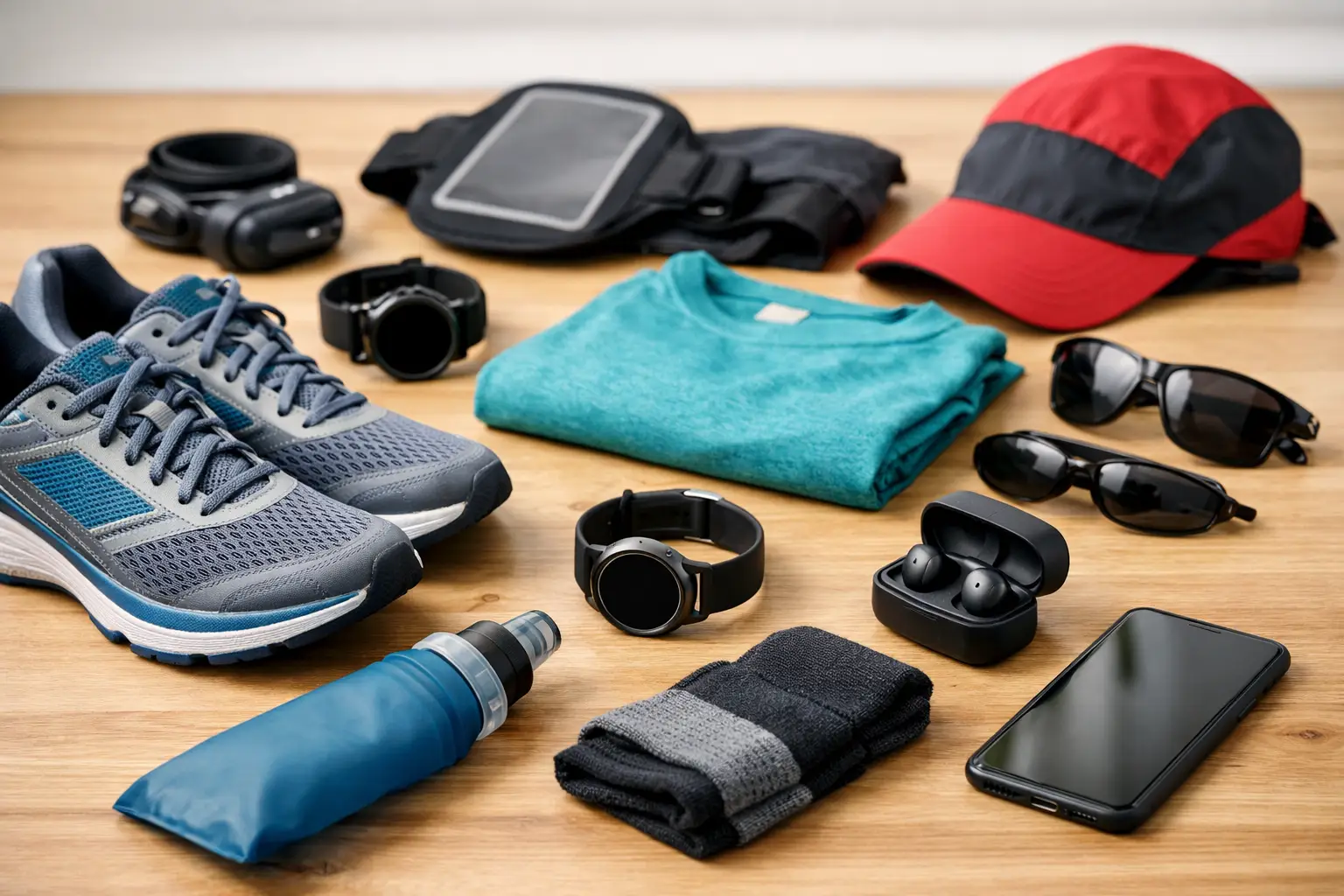
Your first run does not fail because you are not tough enough. It usually fails because your top rubs, your shoes feel wrong, your keys bounce around, or you head out at dusk dressed like a shadow. A good beginner runner gear checklist guide is not about buying more. It is about buying fewer things that actually help you run comfortably, safely and consistently.
That matters because beginner runners are often sold two bad options at once. One is the stripped-back idea that you need nothing but grit. The other is the fast-fashion version of fitness, where every problem is supposedly solved by another cheap add-on. Neither helps much. Good running gear should earn its place, last well and make the next run easier to start.
The beginner runner gear checklist guide: what you really need
If you are just getting started, your kit should solve four problems: impact, comfort, storage and visibility. That is the practical core. Everything else is optional until your routine becomes more established.
Shoes come first, but not because they need to be fancy. They need to fit your foot shape, your stride and the surfaces you actually run on. Most beginners do well with a neutral daily running shoe unless they have a specific gait issue or have been advised otherwise. The key is comfort from the first run. Do not assume shoes will “wear in” if they already pinch, slip at the heel or crowd your toes.
After shoes, think about socks. This sounds small until you finish a 5k with hot spots on your heels. Technical running socks help manage moisture and reduce friction better than ordinary cotton pairs. They are not glamorous, but they make a real difference.
Your clothing should be breathable, light and close-fitting enough not to flap or rub. You do not need a whole wardrobe. One or two moisture-wicking tops and a pair of shorts or leggings are enough to begin. Avoid heavy cotton for running if you can. It holds sweat, gets clingy and can turn a short run into an irritation test.
Support matters too. For women, a proper sports bra is basic equipment, not an upgrade. For everyone, fit is the theme. Shorts that ride up, waistbands that dig in and seams that rub are not minor annoyances when repeated over a few miles. They are the sort of problems that stop good habits before they form.
What to buy first and what can wait
If your budget is tight, spend where it counts most. Shoes are the priority. Then choose clothing that prevents discomfort, followed by simple safety gear if you run early, late or in poor weather.
A lot of beginners overbuy in week one and underuse half of it by week three. That is exactly the trap worth avoiding. Start with the essentials, run in them a few times, then notice what your actual problems are. If your mobile phone is awkward to carry, solve that. If you run before sunrise, improve your visibility. If chafing appears after thirty minutes, deal with friction. Build your kit around experience, not impulse.
This is where a more sustainable approach makes sense. Durable, cross-functional gear beats a drawer full of disposable kit every time. One reliable reflective layer you will wear regularly is more useful than three cheap bits you stop trusting after a month.
Comfort gear that stops little problems becoming big ones
The best beginner gear often looks boring on paper because it is designed to prevent problems rather than impress anyone. Still, this is where consistency is won.
Anti-chafe balm is one of the smartest buys for new runners, especially if you are building distance, running in warm weather or wearing kit that is not perfectly dialled in yet. Common friction points include underarms, inner thighs, sports bra lines and around the heel. You may not need it every run, but when you do need it, you really do.
Laces are another overlooked detail. If you spend every run stopping to retie a shoe, that is not just annoying. It breaks rhythm and focus. No-tie elastic laces can make a lot of sense for beginners because they create a secure fit without constant adjustment. They are especially useful if your shoes are generally right but difficult to tension evenly.
If you carry a mobile phone, key or bank card, keep it simple. A secure pocket, small waist belt or similar low-bounce option is enough. The best storage is the kind you forget is there. If it shifts, digs in or thumps against your side, you will notice it on every run.
Weather changes comfort fast in Britain. A lightweight extra layer is useful for colder starts, but avoid overdressing. Most beginners wear too much, feel great for the first ten minutes and then overheat. As a rule, dress for conditions a little milder than they feel when you first step outside.
Visibility and safety are part of performance
A beginner runner gear checklist guide should treat visibility as standard, not optional. If you run in low light, poor weather or traffic-heavy areas, being seen is part of staying consistent. You cannot train if a driver never spots you.
Reflective details help, but active lighting often gives better peace of mind. A reflective vest strap is a strong starting point because it adds visibility without much weight or fuss. If your routes are dark, a rechargeable headlight or LED chest light can do two jobs at once: helping others see you and helping you see where you are going.
The trade-off is simple. Headlights are excellent for looking ahead on unlit paths, but some runners prefer chest-mounted lighting because it feels more stable and less distracting. It depends on your route. For pavements with streetlights, reflective gear may be enough. For parks, rural lanes or winter evenings, proper lighting is the better call.
Rechargeable gear is worth considering here, not just for convenience but because disposable batteries add cost and waste over time. If you are trying to build habits that are good for you without being careless with the planet, this is an easy place to do both.
Your first-season checklist, without the clutter
If you want a clear first shopping list, keep it tight:
- Running shoes that fit properly
- Technical running socks
- A breathable running top
- Shorts or leggings that do not rub
- A supportive sports bra if needed
- Anti-chafe balm for friction points
- A simple way to carry essentials
- Reflective gear or a running light for low-light runs
That is enough for most beginners. You do not need a sports watch straight away. You do not need multiple jackets, race belts, recovery gadgets or a different outfit for every temperature band. Useful gear should remove barriers, not create new spending habits.
How to tell if your kit is working
Good gear fades into the background. That is the test. You should not be thinking about your socks at mile two, your top at mile three and your laces at every crossing. If something keeps drawing your attention, it probably needs changing.
Give each piece a fair try, but not endless chances. A tiny rub can become a proper blister. A weak light is not good enough just because it turns on. Cheap clothing that loses shape after a few washes is not a bargain if you need to replace it straight away.
This is where reliability matters as much as performance. Beginner runners need gear they can trust on ordinary Tuesday runs, not just gear that looks good in a product photo. Ethically made, hard-wearing kit is not about being worthy for the sake of it. It is about avoiding waste while still giving yourself a proper chance to enjoy running.
The beginner runner gear checklist guide for building a routine
The real goal of this beginner runner gear checklist guide is not to make you look like a runner. It is to make it easier to keep showing up like one. The best kit supports the habit. It lowers friction, improves comfort and helps you feel prepared when motivation is average.
There will always be newer products, louder marketing and someone insisting you need more. Usually, you do not. Start with practical essentials, notice what your runs ask for, and choose gear that works hard and lasts. Running is simple, but simple does not mean careless.
Pick kit that respects your effort, your budget and the planet you run through. Then lace up, step outside and let your routine do the rest.