

Blog
How to Prevent Chafing When Running

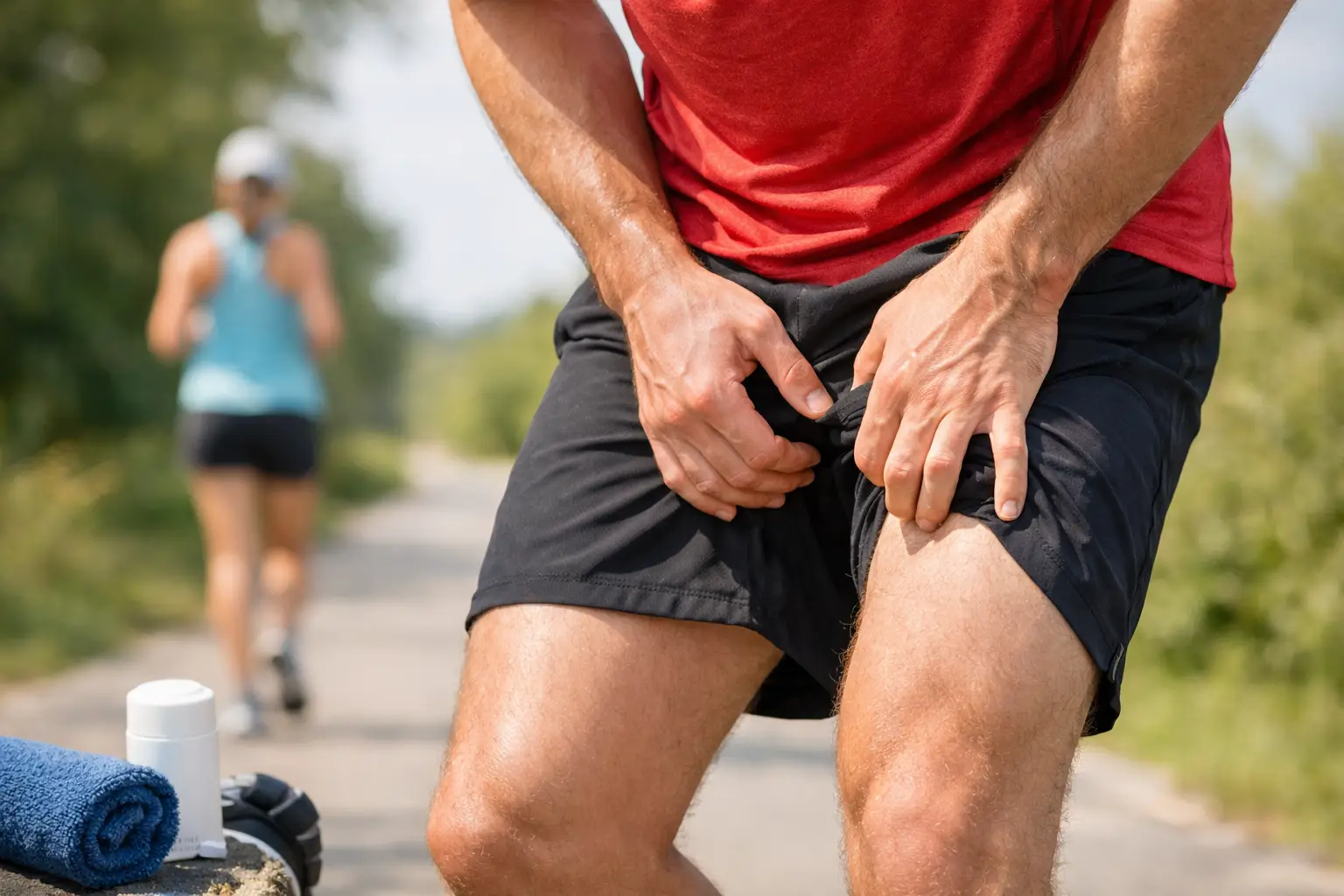
The first sign is usually small – a hot spot on your inner thigh, a sting under your sports bra, a rubbed patch that was not there when you left the house. Then the miles go on, sweat builds, fabric shifts, and a decent run turns into a painful one. If you want to know how to prevent chafing when running, the answer is not one magic product. It is a mix of better kit, better fit, and a few smart habits before you head out.
Chafing is simple friction, but the causes are not always identical. Skin rubs against skin. Fabric rubs against skin. Sweat, salt, heat and repeated movement make that rubbing harsher. The result can be redness, burning, tenderness or even broken skin. For some runners it shows up on long runs only. For others it starts within 20 minutes, especially in warm weather or damp conditions.
The good news is that chafing is highly preventable. You do not need a huge wardrobe or expensive race-day hacks. You need reliable gear that works, and you need to stop treating irritation as something you just have to put up with.
Why chafing happens on the run
Running creates repetitive movement in the same places over and over again. Inner thighs brush, arms move against the sides of the torso, and seams can press into skin with every stride. Add sweat and the skin softens, making it more vulnerable to damage.
Body shape plays a role, but so does clothing design. Loose tops can flap and rub around the chest or underarms. Shorts that ride up can create friction high on the leg. Cotton holds moisture, gets heavy and stays wet, which makes rubbing worse rather than better.
Weather matters too. Hot days increase sweat. Rain leaves fabric damp for longer. Cold weather is not always safe either, because layered clothing can create extra friction points if the fit is off.
How to prevent chafing when running before it starts
The best time to deal with chafing is before the run, not after the sting appears. Prevention is usually about reducing friction and managing moisture.
Start with the fabric closest to your skin. Choose technical running gear that wicks sweat and dries quickly. This is where quality matters. Cheap, disposable sportswear often loses shape, traps moisture or uses rough seams that feel fine in the shop and terrible by kilometre eight. Durable kit that is built for repeated movement does a better job and lasts longer, which is better for your running and better for the planet.
Fit is just as important as fabric. Too tight and the material digs in. Too loose and it shifts constantly. You want a close, stable fit that moves with you rather than fighting your stride. This is especially true for shorts, sports bras, base layers and socks.
Anti-chafe balm is another straightforward fix. Applied to common friction zones before a run, it creates a protective barrier that helps skin glide instead of rub. For many runners, this one step makes the biggest difference on long sessions, race days and warm-weather runs. The key is to use enough and apply it before irritation begins, not once the skin is already angry.
The clothing choices that make the biggest difference
If chafing keeps happening, your clothing is the first thing to audit. In most cases, the problem is not your body. It is your gear.
Shorts and leggings
Inner thigh chafing is one of the most common complaints among runners. Shorts that bunch or ride up are often the culprit. A longer, close-fitting short can reduce skin-on-skin friction far better than a loose split short, especially for longer distances. Some runners prefer leggings in cooler weather for the same reason.
There is no single best option for everyone. If you run short, fast sessions in cool weather, looser shorts may be fine. If you are training for a half marathon through summer, more coverage is often more comfortable.
Sports bras and tops
For women, poor sports bra fit can cause serious rubbing around the band, straps or centre seam. The right bra should feel secure without pinching, and it should stay put once you start sweating. If you notice red marks every run, that is not something to ignore.
Tops should sit smoothly against the skin. Look for soft seams or minimal-seam construction where possible. Underarm chafing is often caused by armhole shape and fabric movement, not just heat.
Socks and shoes
Feet chafe too. Blisters are friction injuries, and they often start with moisture and poor fit. Running socks should wick sweat and stay in place. Shoes should feel secure without creating pressure points. If your socks slide down or crease inside the shoe, fix that first.
Where to apply anti-chafe protection
Different runners have different hot spots, but a few areas come up again and again. Inner thighs are the obvious one. Underarms are another. Bra lines, nipples, lower back, waistband edges, groin area and around the feet can all become problem zones.
The trick is to be proactive. If an area has rubbed before, protect it before every run that could trigger it again. Long runs, humid days, races and runs in fresh kit all deserve extra attention. Testing products and clothing on easy training days is smarter than gambling on race morning.
A reliable anti-chafe balm belongs in the same category as decent socks and a head torch in winter – practical gear that solves a real problem. At 4R, that is the standard we believe in. Running products should earn their place, last well and help you train without unnecessary discomfort.
Sweat, weather and distance change the equation
A 5K in cool weather and a two-hour run in July are completely different chafing tests. That is why prevention needs to match the conditions.
In hot weather, sweat management becomes the priority. Lightweight, breathable gear matters more, and you may need more anti-chafe protection than usual. On rainy days, wet fabric can cling and rub in places that normally feel fine. In cold weather, pay attention to layers. If one top sleeve twists under a jacket for an hour, you will feel it.
Distance matters because friction is cumulative. A tiny annoyance at 3K can become painful at 15K. That is why runners often discover chafing only when they start building mileage. Your easy weekday run may not expose the problem, but your weekend long run will.
Small habits that help more than people think
Washing kit properly can help preserve softness, elasticity and moisture-wicking performance. Over time, worn fabric and damaged seams create more friction. Replacing tired essentials is not wasteful if you choose well and buy less, better.
It also helps to avoid turning up for a run in brand-new, untested kit. Even high-quality gear can fit differently on the move than it does in the mirror. Wear it on a shorter session first and notice any rubbing early.
If you know you are prone to chafing, carry a small anti-chafe product on longer outings or when travelling for races. It is not glamorous, but neither is hobbling through the last few miles because your skin feels raw.
Post-run care matters as well. Clean the area gently, let the skin dry, and avoid throwing on rough or tight clothing straight away. If the skin is broken, give it time to heal before exposing it to more friction.
When chafing is not just a gear problem
Sometimes the issue is not solved by a single wardrobe change. Weight fluctuations, higher mileage, very sensitive skin and certain weather patterns can all make chafing more frequent. That does not mean prevention has failed. It just means your routine may need adjusting.
Some runners need a combination of fitted clothing and balm every time. Others only need extra protection in summer. If you are training for longer races, you may need more trial and error than someone running shorter distances. That is normal.
What matters is refusing to normalise pain that can usually be prevented. Running is hard enough without your kit working against you.
How to prevent chafing when running consistently
Consistency beats last-minute fixes. Build a repeatable routine: wear moisture-wicking gear, choose the right fit, protect known friction points, and test changes before big runs. Once you know what works, stick with it.
That might mean keeping one trusted pair of longer shorts for long runs, using anti-chafe balm as standard in warm weather, or retiring tops that never stop rubbing under the arms. None of this is complicated, but it does require paying attention.
The strongest running routine is not about buying more. It is about choosing dependable gear, using it properly and respecting the signals your body gives you. Comfort is not a luxury. It is part of performance. And when your kit stops the rub instead of causing it, you can get on with the reason you ran in the first place.