

Blog
Elastic Laces for Running: A Confident Guide to Faster, More Comfortable Runs

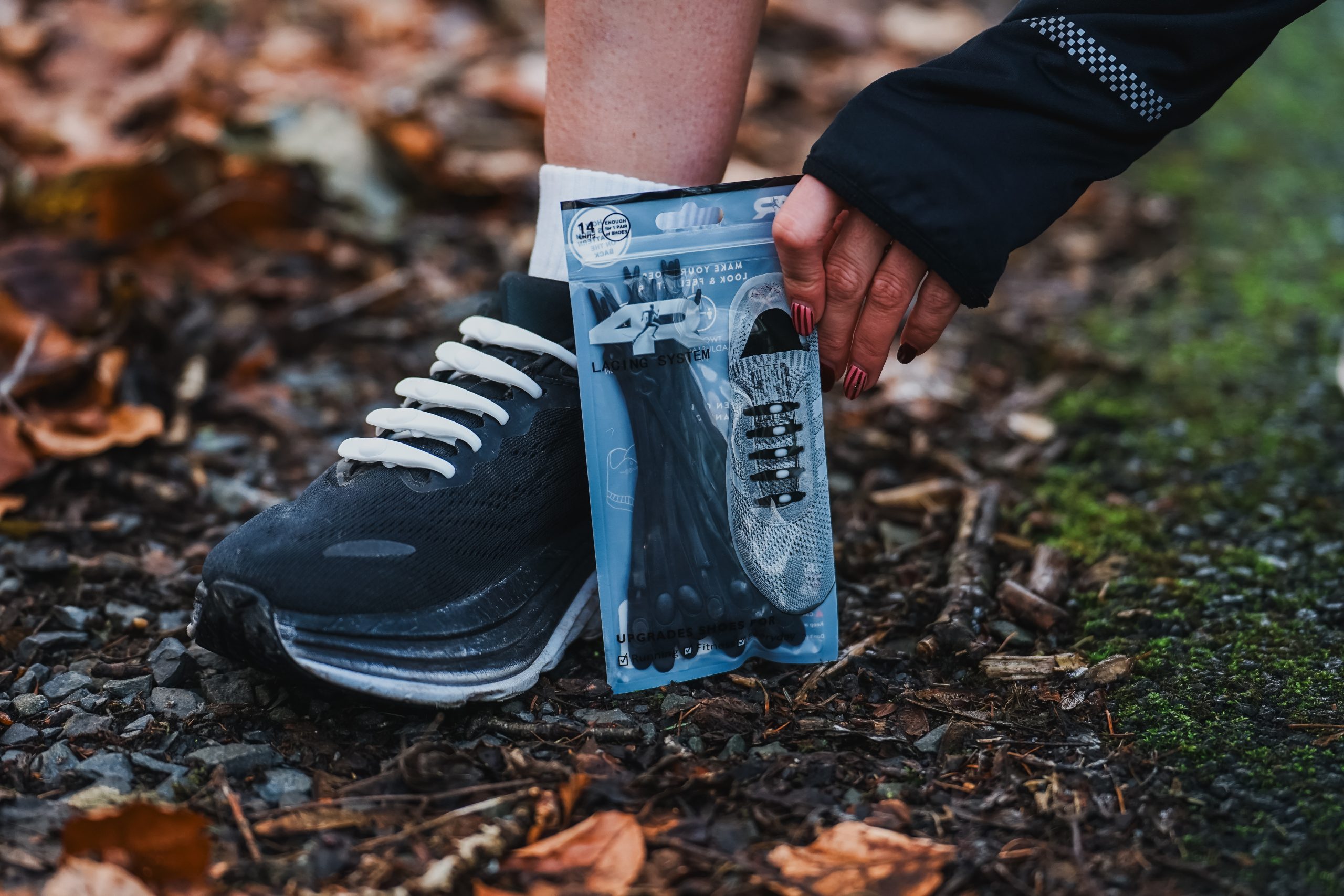
If you want faster shoe changes, fewer pressure points, and a consistent fit during every run, elastic laces deliver all three without fuss. They convert traditional shoes into no-tie, slip-on performance gear so you lock in comfort and save seconds at the start of a run or during transitions.
You’ll learn which elastic laces suit different shoes and running styles, how to install and adjust them for a secure feel, and what to look for in durability and adjustment mechanisms. Expect clear buying tips and practical steps so you can pick and use elastic laces with confidence on your next run.
Benefits of Elastic Laces for Running
Elastic laces change how your shoes feel, how quickly you get ready, and how your feet handle repetitive motion. They provide consistent tension, faster transitions, and a lower chance of irritation or loosening during runs.
Improved Comfort and Fit
Elastic laces maintain even pressure across the shoe, so you avoid tight spots or pressure points that come from unevenly tied traditional laces. The stretch lets the upper flex with your foot during toe-off and landing, reducing pinching and hot spots on long runs.
You can fine-tune tension once and keep that setting; the laces adapt when you change sock thickness or add an orthotic. That consistent fit helps prevent numbness and blisters tied to localized constriction, especially over varied terrain or during tempo efforts.
Enhanced Convenience
With elastic laces you skip tying at every run and save several seconds on each transition or shoe change. Locking mechanisms or cord stoppers hold your preferred tension so you don’t retie between intervals, race transitions, or quick shoe changes.
They also speed up warmups and post-run routines. For triathletes, back-of-packters, or anyone juggling gear, the no-tie system simplifies logistics without compromising security.
Reduced Risk of Injury
Elastic laces reduce micro-movement of the foot inside the shoe, lowering friction that causes blisters and soft-tissue irritation. By keeping a consistent hold, they prevent sudden loosening that can lead to trips or altered gait mechanics mid-run.
Because the laces allow controlled expansion, they decrease localized compression over the dorsal foot and forefoot. That helps protect nerves and blood flow, reducing incidents of numbness, metatarsalgia, or exacerbation of bunion pain during extended sessions.
Choosing and Using Elastic Laces
Elastic laces change fit, reduce pressure points, and speed shoe entry. Pick the right stretch, length, and closure type for your foot shape and running goals.
Selecting the Right Type for Your Needs
Decide between full elastic (single continuous strand) and hybrid systems (elastic in key eyelets, regular laces elsewhere). Full elastic gives slip-on convenience and uniform pressure; hybrids let you customize heel lockdown while adding stretch across the forefoot.
Match elasticity to activity: higher-stretch cords suit casual runs and recovery days; lower-stretch, firmer elastics work better for tempo runs and races where stability matters. Choose closure style—toggle/buckle, lace-lock clip, or knot—based on how often you adjust fit during runs.
Measure length against your shoe’s eyelets. Use brand length charts or lay the lace along your unlaced shoe to ensure enough tail for your chosen closure. Consider material: braided polyester for durability, woven elastomers for softer stretch, and coated cores for abrasion resistance.
Installation Tips and Techniques
Start with clean shoes and unlaced eyelets. Thread elastic from the bottom up for consistent fit, keeping equal tail lengths before securing the closure. If you use a hybrid setup, insert elastic only where you want stretch—typically midfoot and vamp—and keep conventional laces at the top eyelets for heel lockdown.
Use a locking technique: thread an extra pass through the top eyelets or use a simple surgeon’s knot to prevent slippage in high-impact runs. For toggles, center the toggle and tuck excess lace into the tongue pocket or under the footbed to avoid flapping. Test fit with short runs and tweak tension incrementally rather than making large changes.
If heels slip, tighten the top hybrid lacing or add a heel-lock (runner’s loop). If toes feel cramped, loosen midfoot elastic or switch to lower-stretch material. Keep a spare set of closures in your kit for race day backups.
Maintenance and Care
Wash elastic laces by hand or in a garment bag on gentle cycle; avoid high heat drying. Heat can degrade elastic fibers and shorten lifespan, so air-dry flat away from direct sun.
Inspect regularly for fraying, loss of elasticity, or damaged toggles. Replace laces if they stretch out permanently or show core exposure. Lubricate metal clips sparingly with a dry lubricant if they stick, and replace plastic toggles that crack.
Store spare laces coiled without tight knots to prevent permanent deformation. Rotate between two sets if you run frequently to extend overall life and maintain consistent performance.