

Blog
Ethical Sportswear Australia for Real Runners

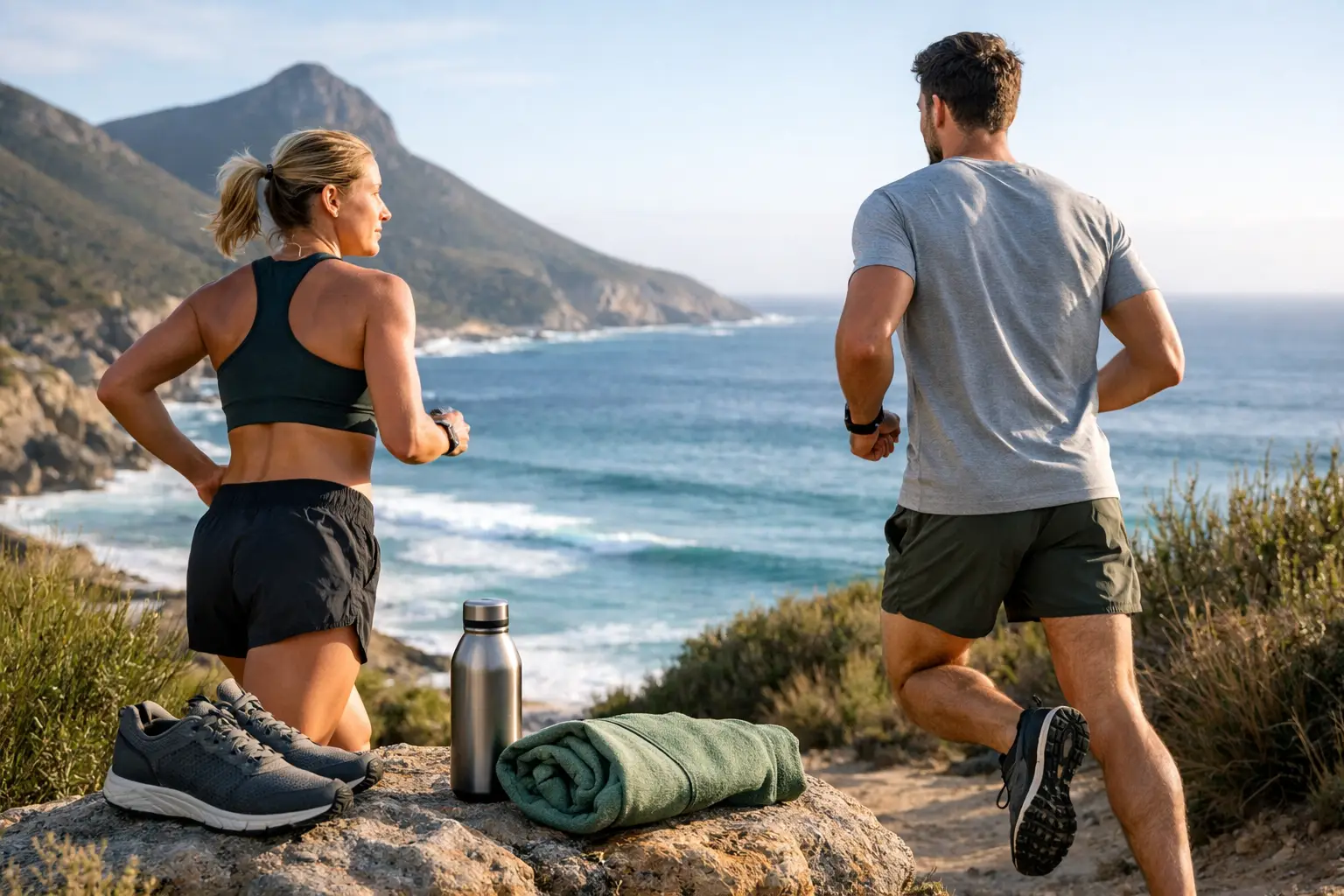
A running top that loses its shape after a handful of washes is not a bargain. Nor is a cheap headlight that fades halfway through a dark morning run. For runners looking for ethical sportswear Australia offers plenty of choice, but the right choice should work harder than a good-looking label.
Ethical kit needs to earn its place in your drawer. It should feel comfortable over long distances, hold up to regular washing and help you run safely in changing conditions. It should also be made with respect for the people who produce it and with less waste built into its lifespan.
What ethical sportswear in Australia should mean
“Ethical” is not one single claim. A brand may use recycled polyester, for example, while saying very little about the factory that stitched the garment. Another may focus on fair working conditions but make clothing designed to be replaced every season. Both details matter.
For runners, a more useful standard is simple: buy less, choose better, and expect clear information. Ethical sportswear should consider the materials, the people in the supply chain, the product’s useful life and what happens when it is no longer wearable.
That does not mean every item must be perfect before it deserves a place in your kit bag. Performance clothing involves real trade-offs. Synthetic fabrics can shed microfibres, but they are often durable, lightweight and quick-drying. Natural fibres can reduce reliance on fossil-fuel-based materials, but may not offer the same sweat management or longevity for every runner. The honest answer is to choose what will genuinely get used.
Start with the runner’s real needs
The most sustainable running purchase is usually the one you will wear repeatedly. Before comparing fabrics or badges, think about where, when and how you run.
Australia’s conditions make this especially practical. A breathable layer matters on hot, humid days. Reliable visibility gear matters for early starts, dark winter evenings and routes shared with traffic. For trail runs, long commutes and variable weather, a piece that can perform across more than one situation can reduce the need for duplicate gear.
Fit is part of this calculation. If a waistband rolls, a seam rubs or fabric stays soaked with sweat, that item will sit unused. Look for comfortable construction, useful storage where needed and materials that suit your usual distance. A runner doing short city loops may prioritise reflective detail and easy movement. Someone training for a marathon may place greater value on anti-chafe comfort, wash durability and pockets that stay put.
Accessories deserve the same scrutiny as clothing. Rechargeable lights can be a smarter choice than disposable-battery alternatives when they are dependable and built for regular use. No-tie elastic laces can give a tired pair of trainers a better fit rather than sending you straight to a replacement purchase. Small, useful upgrades often keep a running routine moving without adding unnecessary waste.
Look beyond recycled fabric claims
Recycled content can be a positive step, particularly where it gives existing materials another useful life. But it is a starting point, not the full story. Ask whether a brand explains the percentage of recycled material, the fibre type and how it balances performance with durability.
A recycled polyester running tee that lasts for years may be a more responsible option than a lower-impact garment that stretches out quickly. Equally, a recycled claim should not distract from poor construction, excessive packaging or vague manufacturing standards.
Useful signs of a considered product include fabric weight appropriate to its job, stitching that can handle movement and repeated washing, and design that avoids needless trends. You do not need ten versions of the same running top. A small rotation of dependable pieces is easier to wear, wash and keep in service.
Be cautious with broad language such as “eco-friendly”, “conscious” or “planet positive” when it is not supported by detail. Strong brands are specific. They tell you what a garment is made from, where it is made when possible, and what they are doing to improve. If the information is hard to find, treat the claim as marketing rather than proof.
Materials are only one part of the decision
A runner should not be pushed towards a fabric that fails their needs simply because it sounds greener. Cotton can be comfortable for walking or low-intensity training, yet it often holds moisture during a hard session. Technical blends may deliver better moisture management, but need thoughtful care to reduce fibre shedding and extend their life.
The aim is not to chase a perfect fabric. It is to avoid disposable kit. Choose clothing suited to your activity, wash it carefully and keep it in use for as long as it performs.
Check whether people are treated fairly
Ethical sportswear also means the people making it are not invisible. Garment production has long been associated with low pay, unsafe workplaces and excessive hours. A responsible brand should be willing to address how it works with suppliers rather than hiding behind attractive product photography.
Look for practical transparency. This might include information on factory relationships, labour standards, independent certifications or a clear code of conduct. No single certification guarantees perfection, but evidence is better than a promise with no detail behind it.
Price can complicate the picture. Ethical production costs money, and the cheapest option is rarely the most responsible. But high price is not proof of fair treatment either. The better question is whether the brand shows where your money goes: into durable materials, responsible production, functional design and products made to last rather than constant newness.
For everyday runners, affordability still matters. Building a reliable kit over time is far more realistic than replacing everything at once with expensive “ethical” alternatives. Start with the pieces you use most and replace only what has worn out or no longer serves you.
Durability is a performance feature
Fast fashion has taught shoppers to expect endless choice and short product lives. Running gear should reject that model. Every failed zip, flattened elastic band and peeling reflective print is a performance issue as well as a waste issue.
Before buying, inspect the details described by the brand. Are the seams designed to minimise rubbing? Is the light rechargeable? Are reflective elements positioned where drivers and cyclists are likely to see movement? Can the item be washed repeatedly without special treatment that is unrealistic for a busy training week?
Care makes a difference too. Wash technical garments on a cooler cycle, avoid unnecessary fabric softener and air-dry when you can. Turn clothing inside out to protect printed details. Deal with a loose stitch early. These habits are unglamorous, but they can add months or years to the life of your gear.
When an item finally reaches the end of its running life, consider whether it still has another use. A faded top may become a gym layer or cleaning cloth. Shoes have a more limited lifespan for running, especially once cushioning is compromised, but may still work for walking or gardening. Extending use is not a substitute for better production, but it reduces the pressure to buy new before necessary.
Build a leaner, safer running kit
A responsible kit does not have to be minimal for the sake of it. It has to be purposeful. Most runners can cover a great deal of training with a few well-chosen layers, a dependable visibility solution and comfort essentials that prevent small problems becoming reasons to stop.
Think in combinations rather than individual purchases. A lightweight top that works for solo road runs, treadmill sessions and travel is more valuable than one designed for a single social-media moment. A reflective vest strap that fits over different layers can be more useful than several seasonal jackets. Anti-chafe balm is a small item, but it can protect a long run from becoming painful and help you get more use from the kit you already own.
This is where ethical sportswear Australia runners choose becomes less about perfection and more about direction. Support brands that make practical promises, give clear information and design for repeated use. Skip the impulse purchase that duplicates something you already own.
Running asks plenty of your body. Your kit should support the effort without asking the planet and garment workers to carry the hidden cost. Choose gear that goes the distance, look after it well, and let every purchase have a proper reason to be on the start line.