

Blog
Why Runners Choose Ethical Fabrics for Every Mile

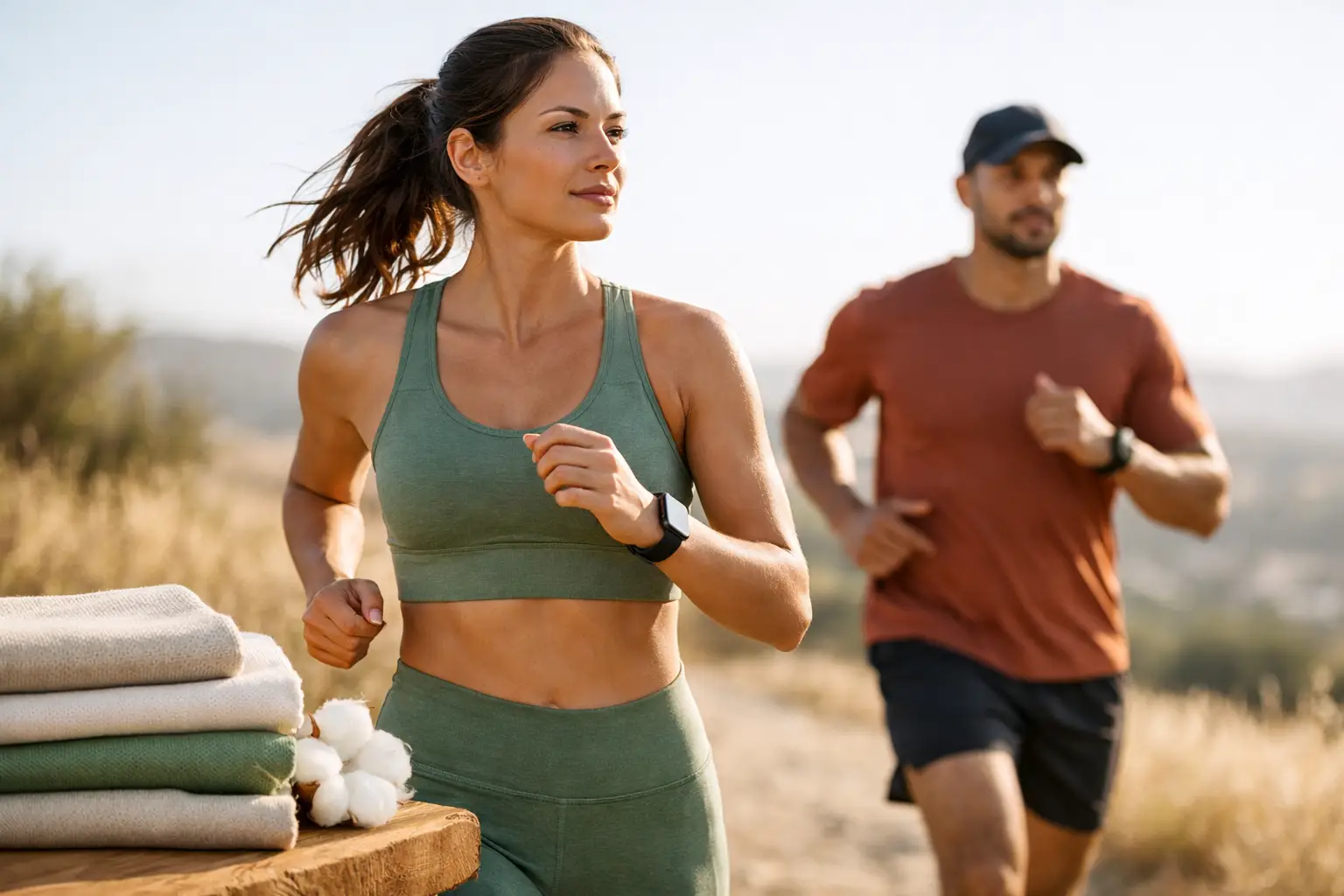
A running top has to earn its place. It needs to handle sweat, repeated washes, early starts and the odd unexpected downpour. But more runners are asking a second question before they buy: who made it, what is it made from, and will it last? That is why runners choose ethical fabrics – not as a style statement, but as a practical way to buy kit that supports both their run and their values.
For everyday runners, performance and principles do not need to sit on opposite sides of the changing-room bench. The best choices are comfortable enough for kilometre one, dependable enough for kilometre one hundred, and made with less harm built into the process.
Ethical fabrics are about more than the fibre
It is easy to see a label saying recycled, organic or natural and assume the job is done. Those details matter, but ethical fabric is bigger than one material claim. It includes how raw materials are sourced, how fabric is dyed and finished, the conditions for the people making it, and whether the final garment is built to stay useful.
For runners, this wider view makes sense. Cheap activewear often relies on a quick replacement cycle: thin fabric, tired elastic, loose seams, then another order a few months later. A lower price at the checkout can become poor value when a top loses shape after a season or leggings become see-through sooner than they should.
Ethical production challenges that throwaway model. It asks for sensible materials, responsible manufacturing and products designed for repeat use. That does not mean every ethical garment will be perfect. It means the brand should be clear about its decisions and work to reduce the damage that clothing can cause.
Why runners choose ethical fabrics without sacrificing performance
Running gear has a hard job. Fabric needs to move with your stride, manage moisture and feel good against skin that is warm, salty and in constant motion. Ethical fabrics can meet those needs when they are selected and constructed properly.
Recycled synthetic fibres, for example, can offer the lightweight feel, stretch and quick-drying qualities runners expect from technical kit. They also make use of existing materials rather than relying only on virgin fossil-fuel-based inputs. Organic or responsibly sourced natural fibres can be a good fit for easier runs, warm-ups and recovery wear, particularly when softness and everyday comfort matter most.
The point is not that one fabric wins every time. A close-fitting winter layer has different demands from a loose summer tee. A trail runner may need abrasion resistance, while someone heading out for a 5K after work may put breathability and easy washing first. The better question is whether a fabric is right for the job, made with care and likely to keep doing that job.
Ethical choices should not mean accepting clammy fabric, awkward seams or gear that cannot keep up. Runners need kit that performs when the weather turns, the pace lifts or the route takes longer than planned. Responsible materials and reliable design belong together.
Durability is one of the strongest sustainability choices
The most sustainable running top is not automatically the one with the most impressive-sounding label. It is often the one you still reach for next year.
Durability reduces the need to replace clothing, which reduces demand for more raw materials, more manufacturing and more deliveries. It also makes financial sense. Runners do not need a drawer full of almost-identical tops. They need a small rotation of dependable pieces that wash well, fit properly and work across more than one type of session.
Look beyond colour and first feel. Check whether seams are positioned to avoid rubbing, whether the fabric has enough recovery to hold its shape and whether care instructions are realistic for your routine. If an item needs delicate treatment after every run, it may not suit a busy training week. Good kit should be ready to go again without fuss.
There is a trade-off here. Highly durable technical fabrics can sometimes include synthetics because they are effective for stretch, strength and moisture management. That is not a reason to dismiss them outright. It is a reason to choose carefully, wear them for longer and avoid buying performance features you will never use.
Fairer production gives every run more meaning
Clothing does not appear in a parcel by magic. It is grown, spun, knitted, dyed, cut, sewn, packed and transported by people. Ethical fabrics matter to runners because the story of a garment should not depend on unsafe work, poverty wages or hidden supply chains.
A responsible apparel brand should take worker welfare seriously and be willing to explain where its products come from. Complete visibility can be difficult in a complex global supply chain, especially for smaller brands. Still, silence is not a standard to accept. Progress starts with asking better questions, choosing partners carefully and sharing what can be verified.
This is not about perfection or guilt. It is about recognising that a bargain is not truly a bargain if someone else has paid the price through poor working conditions. Choosing more thoughtfully is a direct way to support a different standard.
Less waste makes running kit work harder
The sportswear industry produces far more clothing than most people need. Trend-led launches encourage runners to treat technical apparel like disposable fashion, even though a solid base layer or running tee can serve for years.
Ethical fabrics are part of a wider shift away from that cycle. Buy fewer pieces. Choose versatile colours and designs you will wear regularly. Repair a small issue before it becomes a reason to bin an item. Wash kit at lower temperatures when the care label allows, and air dry it where possible. These are ordinary habits, but they extend the useful life of the gear you already own.
There is also no need to replace a full running wardrobe overnight. The most responsible approach is usually to use what you have, then make a better choice when something genuinely needs replacing. Start with the items you wear most often: your go-to tee, shorts, socks or layer for dark mornings.
What to look for when buying responsibly
Good marketing is not the same as good practice. If a product makes a broad claim about being green, sustainable or conscious without explaining anything else, take a closer look. Meaningful information is usually more specific.
Consider the material composition and why it has been used. Look for clear details about recycled or responsibly sourced fibres, factory standards and garment care. Assess construction too. A garment that fits your running routine and survives regular use is likely to be the better choice than a fashionable piece that stays at the back of the drawer.
Price deserves an honest conversation. Ethically made running kit can cost more than the lowest-priced fast-fashion option because better materials and fairer production are not free. But expensive does not automatically mean ethical, and affordable does not have to mean disposable. The goal is honest value: useful gear, made responsibly, at a price that makes regular movement more accessible.
At 4R, that is the standard worth chasing. Runners deserve practical gear that helps them feel ready for the road, track or trail without asking them to leave their principles at home.
The choice gets easier one garment at a time
No runner needs a flawless wardrobe to make a positive difference. Every considered purchase is a vote for clothing that is made to perform, made to last and made with greater respect for people and the planet.
Next time a running top finally reaches the end of its useful life, pause before replacing it with the quickest option. Choose the piece you will genuinely wear, wash and rely on. Then get out the door and put it to good use.