

Blog
Winter Running Gear Canada Runners Actually Need

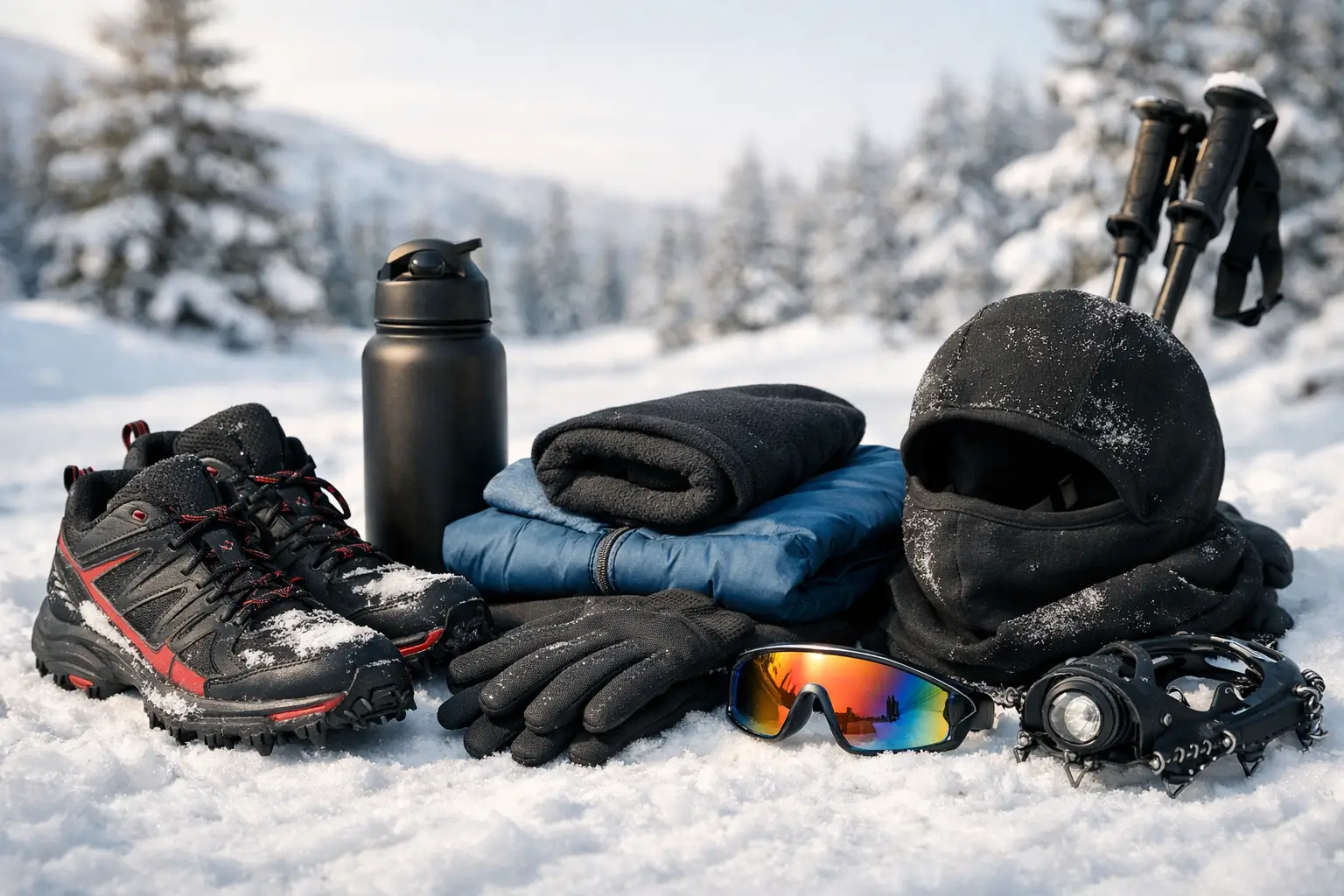
A -15°C morning does not have to end your running routine. But it does expose every weak point in your kit: gloves that soak through, layers that trap sweat, laces that loosen under slush and poor visibility when daylight disappears before tea. The right winter running gear Canada runners choose is not about piling on more clothing. It is about building a dependable system that keeps you warm, dry enough and clearly seen.
Canadian winter conditions can shift fast. A dry, bright run at -10°C needs a different approach from wet snow around freezing, where puddles, wind and slush can make you colder than the forecast suggests. Start with what the weather is doing, then choose gear with a clear job to do.
Winter Running Gear Canada Needs Starts With Layers
The goal is to begin a little cool, not cosy. You will warm up within the first ten minutes, and overdressing is one of the quickest ways to turn a comfortable run into a damp, chilly one.
A breathable base layer sits next to your skin and moves sweat away. Choose synthetic or responsibly sourced merino fabric that dries quickly. Cotton has a place in everyday life, but not under a running jacket in winter. Once wet, it holds moisture against your skin and makes a short pause at a crossing feel far colder.
Over that, use a light insulating layer when temperatures dip properly below freezing. A fitted long-sleeve top, half zip or thin fleece can provide warmth without making your stride feel restricted. Your outer layer should block wind and shed light snow or drizzle, while still allowing heat to escape. Fully waterproof shells are useful in sustained rain or wet snow, but they can feel clammy during a hard effort. For a dry, cold day, a breathable wind-resistant jacket is often the better choice.
Your lower half usually needs less insulation than your torso. Running tights work well for many winter days, while thermal tights earn their place in deeper cold or biting wind. If you run hot, shorts over tights can add a little protection and coverage without buying a separate outfit for every forecast.
Protect hands, ears and neck first
Small areas can make or break the run. Cold hands affect your comfort quickly, and numb fingers make it harder to adjust a watch, open a gel or use your phone safely. Lightweight gloves suit cool weather; insulated gloves or mitts are better when the temperature falls or wind picks up. Mitts tend to be warmer because your fingers share heat.
A close-fitting hat or ear warmer keeps warmth in without overheating you. Add a neck tube for exposed routes and windy days. It can cover your neck, face or ears as conditions change, which makes it one of the most useful cross-functional pieces in a winter running drawer.
Choose Footwear for Surface, Not Just Temperature
Ice is the real decision-maker. If pavements are clear and dry, your usual running shoes may be all you need, paired with warmer socks. On compact snow, packed trails or icy footpaths, grip becomes a safety issue rather than a nice extra.
Trail shoes with deeper lugs can help on loose snow and uneven ground, but lugs alone are not designed to bite into sheet ice. For consistently icy routes, removable traction devices can offer more confidence. They are less pleasant on bare pavement, though, and may wear quickly if most of your route has been cleared. It depends on where you run, not simply how cold it is.
Avoid the temptation to wear thick socks that make your shoes tight. Restricted space can reduce circulation and leave toes colder. Choose moisture-wicking wool-blend running socks instead, and make sure there is enough room in the toe box. If your feet get wet regularly, consider a shoe with some weather protection, but remember that highly waterproof uppers can dry slowly after a slushy run.
Slow down on corners, bridges, shaded paths and painted road markings. No piece of gear removes the need to adjust your pace when the surface is unpredictable.
Make Visibility Non-Negotiable
Winter running is often dark running. Early mornings, late afternoons, snowfall and grey skies can all reduce the distance at which drivers, cyclists and other path users notice you. Bright clothing helps in daylight, but reflective detail and active lighting are what make the difference after dark.
Think in two directions: you need to see the route, and others need to see you. A rechargeable head torch lets you spot uneven pavement, ice patches and kerbs before you reach them. For road running, angle the beam down towards the ground rather than into approaching traffic. Choose a light with a comfortable, stable fit so it does not bounce as you run.
A reflective vest or reflective straps add visible movement around your torso. This is particularly useful over dark jackets, which are practical for hiding road spray but can disappear against a winter evening. An LED chest light can increase your visibility from the front and create a more balanced light source than a head torch alone.
For dark routes, build a simple visibility habit:
- Wear reflective elements that can be seen from the front, side and back.
- Use a charged light, even on familiar paths.
- Carry your phone somewhere accessible and protected from moisture.
- Choose routes with cleared surfaces and predictable crossings when conditions are poor.
The best visibility gear is the gear you will actually wear. Keep it near your shoes, charge lights after use and replace batteries or damaged straps before they fail on a dark morning.
Stop Chafing Before It Starts
Winter layers create more seams, more moisture and more chances for friction. Chafing can show up where a waistband rubs, under the arms, between the thighs or wherever a wet sock meets skin. A reliable anti-chafe balm is a small addition that can save a run, especially on longer efforts when clothes are damp from snow or sweat.
Apply it before you head out rather than waiting for a hotspot. Focus on the areas that have caused trouble before. This is not glamorous kit, but practical running rarely is. Comfort lets you focus on the route, your breathing and the simple satisfaction of keeping a promise to yourself.
No-tie elastic laces are another useful detail in cold weather. They make it easier to get a secure fit with gloved hands and can prevent laces coming undone when wet. They are especially helpful if you layer socks or switch between road and trail shoes during the season.
Buy Less, Use More
Winter running gear can become expensive and excessive when every new temperature seems to demand a new outfit. A better approach is to choose durable pieces that work across several conditions and layer well together. One breathable base layer, one insulating mid-layer, a wind-resistant jacket and reliable visibility kit can cover a great deal of the season.
Look for gear that will survive repeated washing, commuting, training and weekend miles. Ethical production and material choices matter, but longevity matters too. A jacket worn for five winters is a stronger answer to waste than a cheap replacement bought every year.
This is where practical accessories can do more with less. Rechargeable lighting avoids disposable batteries. Adjustable reflective straps can be worn over different layers. A neck tube can replace several single-purpose items. 4R is built around this kind of runner-first thinking: useful gear that earns its place, rather than fast-fashion kit designed to be replaced.
Dress for the Run You Are Doing
A steady 5K close to home is different from a two-hour trail run, and both are different from a recovery jog after snowfall. For shorter runs, you can afford to be slightly less prepared because you will be near shelter. For long runs, carry an extra layer if the weather is changing, and take fuel that will not turn rock-hard in the cold.
Wind direction matters too. If possible, run into the wind early, when you are warmest and driest, then let it sit behind you on the return. On very cold days, keep your route close to home or plan a shorter loop you can repeat. There is no prize for being stranded several kilometres away with wet gloves and an iced-over path.
Winter running is not about proving how much discomfort you can tolerate. It is about showing up wisely, respecting the conditions and choosing equipment that supports the miles ahead. Build a kit you trust, check the surface before you leave, and let every cold-weather run remind you that consistency is built one sensible decision at a time.