

Blog
No Tie Elastic Laces Running: Worth It?

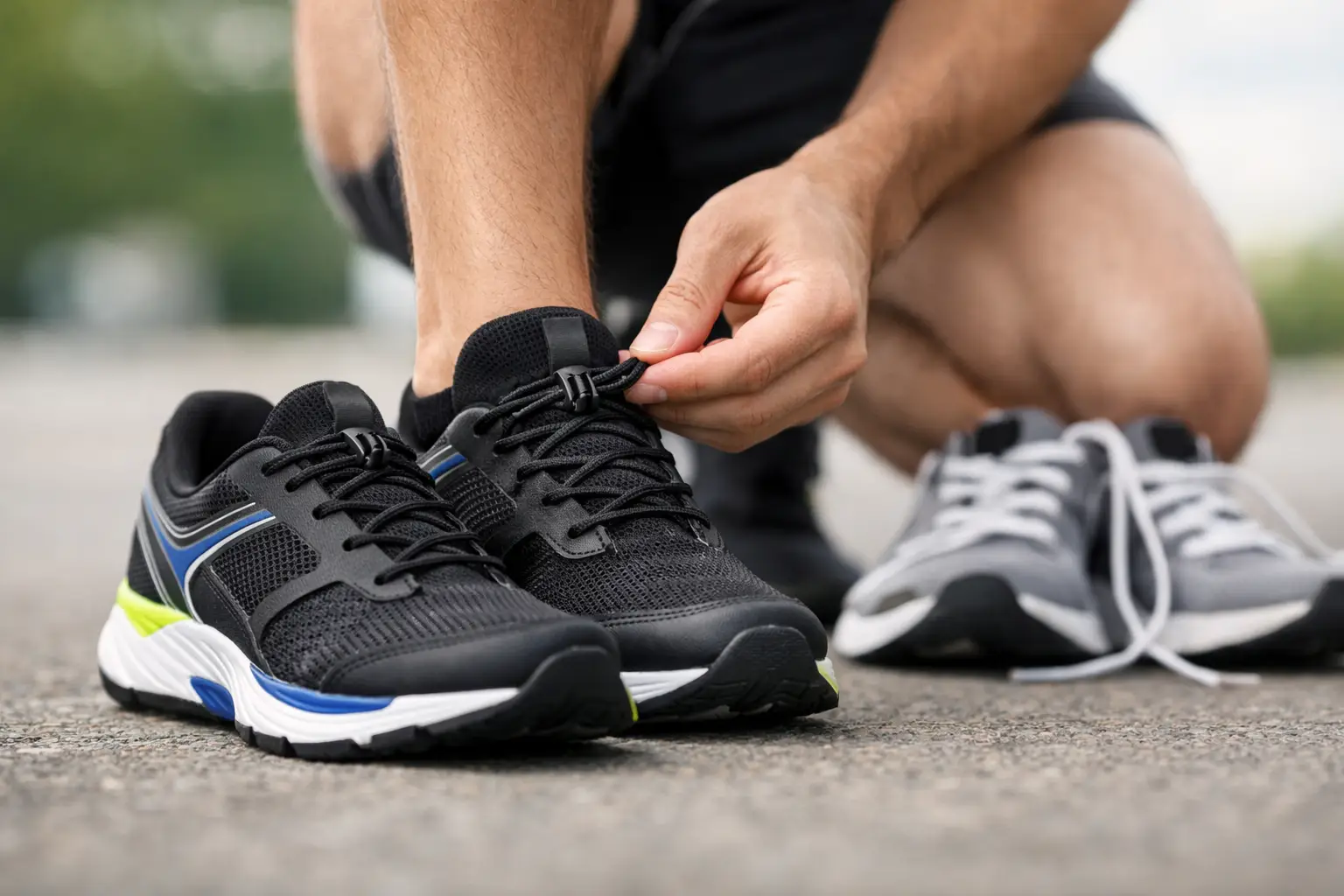
You notice your laces most when they go wrong. Mid-run, one knot loosens, your rhythm breaks, and suddenly a simple detail becomes the only thing you can think about. That is exactly why no tie elastic laces running has become a popular switch for everyday runners who want less distraction and more consistency.
For some runners, they are a small upgrade that makes every outing easier. For others, they solve a very specific problem – pressure on the top of the foot, laces that repeatedly come undone, or shoes that take too long to get on when heading out early. They are not magic, and they are not right for every session, but they can be one of those practical changes that quietly improves your routine.
Why no tie elastic laces running appeals to runners
Running gear should work hard without creating extra waste, extra hassle, or extra kit drama. That is the appeal here. No-tie elastic laces replace the repeated cycle of loosening, tightening and retying with one set fit that stays in place.
The biggest draw is convenience, but comfort is often what keeps runners using them. Traditional laces can create pressure points if you over-tighten to stop heel slip. Elastic laces spread tension differently. Instead of locking the shoe with a rigid pull, they allow a bit of give as your foot expands through the run.
That matters more than many people realise. Feet swell with effort, heat and distance. A shoe that feels secure at the front door can feel restrictive after 8 or 10 kilometres. Elastic laces can help your shoes adapt without forcing you to stop and adjust.
There is also a consistency factor. Once you find the right fit, you can usually slip your shoes on and get the same feel every time. For runners building habits, that is useful. One less excuse. One less delay. Just out the door and on with it.
How they actually change the feel of your shoes
The honest answer is subtle but noticeable. No-tie elastic laces do not turn a poor-fitting shoe into a good one. They also do not add speed by themselves. What they change is the interaction between your foot and the upper.
With standard laces, you create fixed tension. With elastic laces, the hold is more dynamic. That can make the upper feel more forgiving, especially across the midfoot. If you often get a pinched feeling on the top of your foot, this can be a real benefit.
Some runners also like the easier entry and exit. That matters if you run before work, squeeze in miles during a lunch break, or simply prefer gear that does not demand fuss. A practical running setup is easier to stick with, and small wins count.
There is a trade-off, though. If you love a very precise, locked-down fit, elastic laces may feel a touch less exact. This is usually not an issue for easy miles, steady runs or daily wear, but it can matter if you are very particular about race fit or technical terrain.
When no tie elastic laces running makes the most sense
They tend to work best for runners who value comfort, speed of use and everyday reliability. If your main runs are road sessions, treadmill runs, easy long runs or general fitness miles, they often fit the brief well.
They are also a smart option if you regularly deal with laces coming undone. Double-knotting is a fix, but it is not always the best one. It can make shoes fiddly to remove and often leads to over-tightening. Elastic laces solve the issue at the source by removing the need to tie and retie.
Beginner runners often get on well with them because they remove one more thing to think about. New runners already have enough variables – pace, breathing, soreness, motivation, route planning. If your shoes go on easily and feel secure without adjustment, that is a genuine advantage.
They can be particularly useful for runners managing changing foot comfort, too. If your feet swell in warm weather, if one foot needs slightly more give than the other, or if you simply dislike rigid pressure across the forefoot, elastic laces may feel noticeably better than conventional ones.
When traditional laces may still be better
This is where honesty matters. No-tie elastic laces are practical, but they are not automatically the best option for every run.
If you race hard and want a highly dialled-in fit, traditional laces can give more control. The same goes for trail running on uneven ground, where some runners want a firmer hold to reduce foot movement inside the shoe. It depends on the shoe, the terrain and your preference, but elastic systems can feel slightly less locked in under aggressive direction changes.
They may also be less ideal if your shoes already run roomy. In that case, the extra flexibility of elastic laces might make the fit feel too relaxed. A structured shoe with a secure upper usually handles them better than a soft, generous-fitting model.
And if you enjoy adjusting lace tension for different sessions, elastic laces can feel limiting. Some runners like a looser feel on recovery days and a tighter setup for faster work. That level of fine tuning is easier with standard laces.
Getting the fit right matters more than the lace type
The biggest mistake runners make is assuming any lace system will compensate for the wrong shoe. It will not. If the shoe pinches, slips badly at the heel, or feels unstable underfoot, changing the laces might improve comfort a bit, but it will not solve the core problem.
Think of no-tie elastic laces as a fit optimiser, not a rescue plan. They work best when the shoe already suits your foot shape and running style. Then the laces refine the experience by reducing pressure and simplifying use.
Take a little time to set them up properly. Too loose and your foot moves around. Too tight and you lose the very comfort benefit they are meant to provide. A good setup should feel secure at the heel, comfortable through the midfoot, and easy enough to slip on without forcing your foot in.
It is worth testing them on a short run first. Walk in them, jog a kilometre or two, and see how your foot feels once it warms up. Small adjustments can make a big difference.
The comfort factor over longer miles
Longer runs are where many runners start to appreciate the difference. Over time, rigid lace pressure can become more noticeable, especially if your shoes fit snugly to begin with. Elastic laces can reduce that sense of compression without making the shoe feel sloppy.
That does not mean every long-distance runner should switch. It means that if you regularly finish a run wanting to loosen your shoes straight away, your current lace setup may be part of the issue.
Comfort is not a soft benefit. It affects whether you keep moving well, whether little irritations become big distractions, and whether you actually look forward to your next run. Reliable kit should help you stay focused on effort, not on fixing problems at mile five.
For runners who care about buying less and using gear longer, this kind of upgrade also makes sense. A simple, durable accessory that improves the usefulness of a pair of shoes is a better choice than endlessly replacing kit in search of a perfect solution.
Are they worth it for everyday runners?
For many runners, yes. Not because they are flashy, and not because they promise impossible gains. They are worth it because they solve a common annoyance with a simple, repeatable fix.
If you want easy on-off use, fewer mid-run interruptions and a more forgiving fit, they are a strong option. If you want absolute precision for hard racing or technical trails, you may prefer to keep standard laces in rotation.
That is the real answer with no tie elastic laces running – it depends on how you run, what frustrates you, and what you need your kit to do. The best running accessories are not the ones with the loudest claims. They are the ones that make your training feel more reliable, more comfortable and easier to stick with.
At 4R, that practical mindset matters. Running gear should earn its place, last well, and support your miles without adding waste or complication. If a small change helps you run more comfortably and more consistently, that is not a gimmick. That is smart kit doing its job.
If your laces are one of those small things that keep getting in the way, changing them might be the easiest improvement you make this season.