

Blog
Anti Chafe Balm for Runners That Works

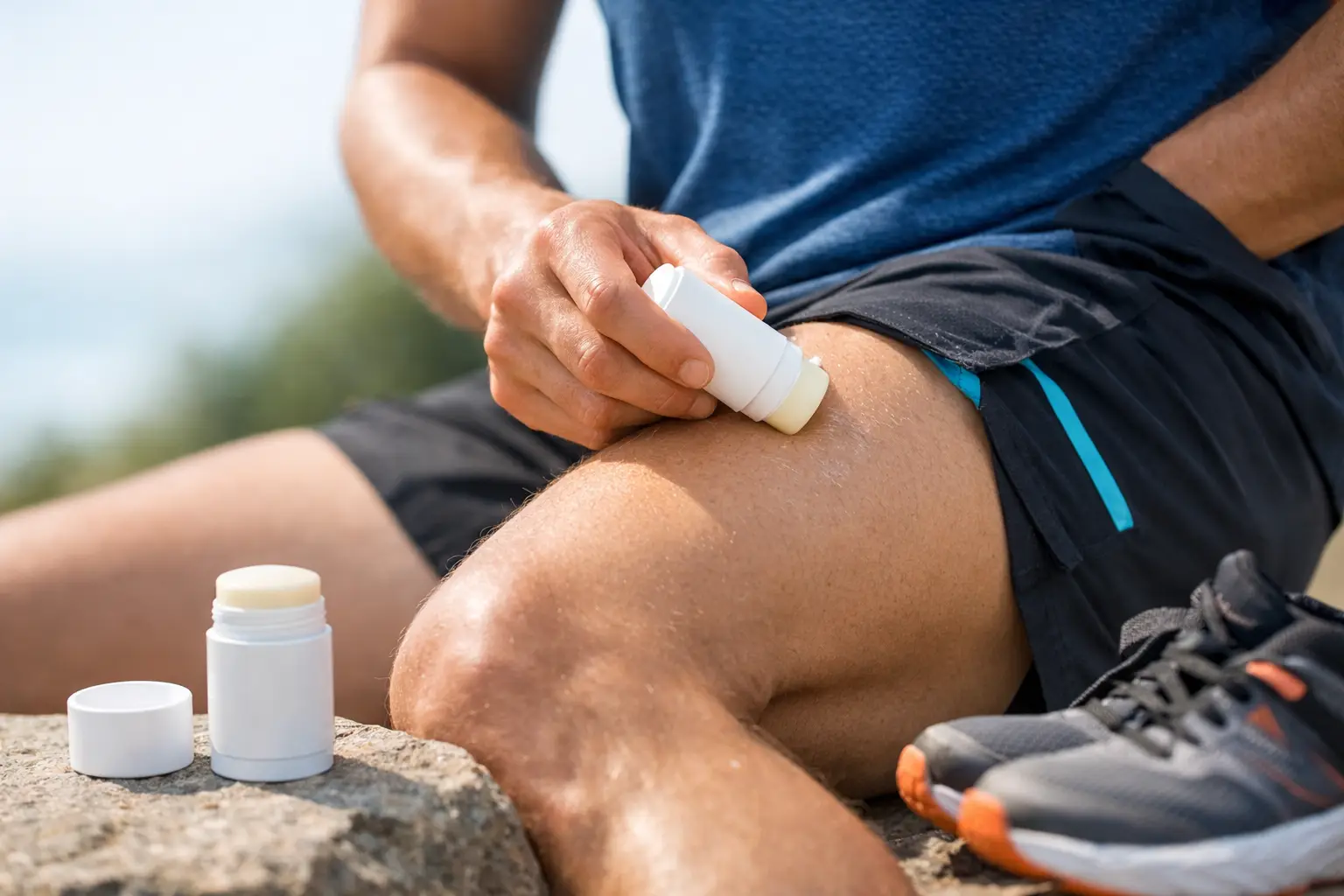
You do not need to be training for a marathon to know how badly chafing can ruin a run. A few miles in, what started as a small rub can turn into burning skin, broken concentration and a miserable walk home. That is exactly why anti chafe balm for runners has become such a practical kit-bag staple. It is not about comfort as a luxury. It is about protecting your skin so you can keep moving.
Why runners get chafing in the first place
Chafing is simple. Skin, fabric or both keep rubbing in the same spot. Add heat, sweat and movement, and the problem builds fast. Running creates the perfect conditions for it because the action is repetitive, your body temperature rises, and moisture sits where you least want it.
Common hotspots include the inner thighs, underarms, sports bra lines, nipples, waistband area, lower back, feet and anywhere seams sit too aggressively. Some runners only get it in summer. Others find it turns up in winter too, especially when damp layers sit against the skin for longer.
Body shape plays a part, but so does clothing choice, pace, distance and weather. A runner doing a steady 5K in cool conditions may never think about it. The same runner on a humid long run in poorly fitted kit could be in pain before halfway.
What an anti chafe balm for runners actually does
An anti chafe balm for runners creates a protective layer over the skin. That layer helps reduce friction, limits moisture-related irritation and gives vulnerable areas a better chance of staying intact through the run.
The best balms do this without feeling sticky, greasy or heavy. They should stay where you put them, feel comfortable under clothing and not demand constant reapplication during ordinary training. For longer efforts, particularly in warm weather or rain, even a good balm may need topping up. That is not failure. It is just the reality of hours of sweat, movement and contact.
This matters because once skin is irritated, every step can make it worse. Prevention is easier than trying to manage damage after it starts.
Where to apply anti chafe balm before a run
The short answer is anywhere you know rubbing happens. The smarter answer is to think beyond the obvious. Many runners wait until they already have a painful spot, then treat only that area. A better approach is to apply balm proactively in places that regularly take friction.
Inner thighs are one of the most common zones, especially on longer runs. Under the arms can also catch runners out, particularly in vests or tops with rougher seams. Around sports bra bands, heart-rate straps and waistbands is worth checking too. Men often use balm to protect the nipples on long runs. Feet can benefit as well, especially if blisters start from friction rather than shoe fit alone.
Apply it to clean, dry skin before you get dressed, or at least before the fabric starts moving against you. You do not need to overdo it. A light, even layer is usually enough. If you slap on too much, you may just create mess without extra benefit.
The areas runners forget
The lower back is a sneaky one, especially if you wear a hydration pack or running belt. The upper inner arm can become a problem in sleeveless kit. Along the edge of socks and around the heel can also be worth treating if your shoes are otherwise sound but still create rubbing on longer outings.
If you are racing, think about every point where kit meets skin. Race bibs, chest straps and hydration vests add friction you may not notice in ordinary training.
Choosing the right anti chafe balm for runners
Not every balm suits every runner. Skin sensitivity, weather and distance all affect what works best. That is why it pays to look past the label and think about how, where and when you run.
Start with texture. A good runner-friendly balm should glide on easily and stay put once applied. If it feels too oily, it may slide away with sweat. If it feels too dry or waxy, it may drag on irritated skin or sit unevenly.
Then consider skin tolerance. Fragrance-heavy products can be fine for some people and a bad idea for others, particularly on already sensitive areas. If your skin reacts easily, a simpler formula is often the smarter choice.
You also want something practical. Runners do not need another product that feels overdesigned, overpriced or wasteful. The best gear earns its place because it works, lasts and solves a real problem. That same thinking applies here.
What matters most in a balm
A dependable anti chafe balm for runners should be easy to apply, comfortable in different conditions and durable enough for real training. It should help protect skin without staining kit or leaving an unpleasant residue on your hands or clothes. Packaging matters too. A compact stick or portable container makes more sense than something awkward to carry or use quickly before heading out.
There is always a trade-off. Ultra-light formulas may feel better day to day but need reapplying sooner on long runs. Heavier options can last longer but may feel more noticeable on the skin. The right balance depends on your training.
Balm helps, but your kit still matters
No anti-chafing product can fully rescue poor clothing choices. If your shorts ride up, your top seams are harsh or your socks hold too much moisture, balm is working against the tide.
Well-fitted running gear reduces friction at the source. That means fabrics that manage sweat properly, seams placed with purpose and a fit that moves with you rather than against you. Tight is not automatically better, and loose is not automatically safer. The best fit is the one that stays stable while you run.
This is where a more thoughtful approach to buying gear pays off. Durable, performance-led kit often ends up being better value because it prevents recurring problems instead of creating them. Disposable sportswear is not just wasteful. It can be uncomfortable too.
When you are most likely to need it
Some runners only reach for balm on race day. That is too late. The moments you are most likely to need protection are often the ones you can predict.
Long runs are an obvious trigger because friction has more time to build. Hot and humid weather increases sweat and salt on the skin. Rain can be just as bad because wet fabric rubs differently and often more aggressively. New kit is another risk, even if it feels fine when you first put it on.
Weight changes, a return to running after time off, or marathon training volume can all alter where friction shows up. Your gait and posture can shift when tired too, which is one reason chafing appears late in longer runs even when the early miles feel fine.
How to use anti chafe balm properly
Using it well is not complicated, but timing and consistency matter. Put it on before the run, not after the first sting. Focus on areas with proven friction, then add likely hotspots if conditions are harsh or your session is long.
If you are heading out for a marathon, ultra, hike-run or very wet session, carrying a small amount can make sense. Reapplication can be worth it when the run is measured in hours rather than minutes. For everyday training, you should not need a mid-run routine unless the conditions are extreme.
After the run, wash off sweat and product, then check any areas that felt warm or tender. Slight redness is a warning. Broken skin means your prevention plan needs work, whether that is more balm, different placement or better kit.
A few mistakes worth avoiding
The biggest mistake is assuming chafing only happens to beginners or runners in larger bodies. It can affect anyone. Fast runners, lean runners and experienced runners all deal with it.
Another mistake is testing a new balm for the first time on race day. Skin reactions are rare but real, and even a perfectly good formula may not suit you. Trial it on an ordinary run first.
It is also easy to blame your skin when the real problem is your gear. If you are repeatedly chafing in the same place, look closely at the fabric, seams and fit. Balm should support good kit, not cover for bad design.
The real value of anti chafe balm for runners
Running asks a lot from your body. The least your gear can do is stop making things harder. Anti chafe balm is a small fix with a big impact because it removes one of the most avoidable reasons a good run turns bad.
When your skin is protected, you move better, focus better and recover without that low-level soreness nobody needs. That is not fussiness. It is practical preparation. If you want gear that does its job without waste, gimmicks or drama, start with the things that let you run comfortably and keep showing up. Your miles will feel better for it.