

Blog
Best Sustainable Running Gear That Lasts

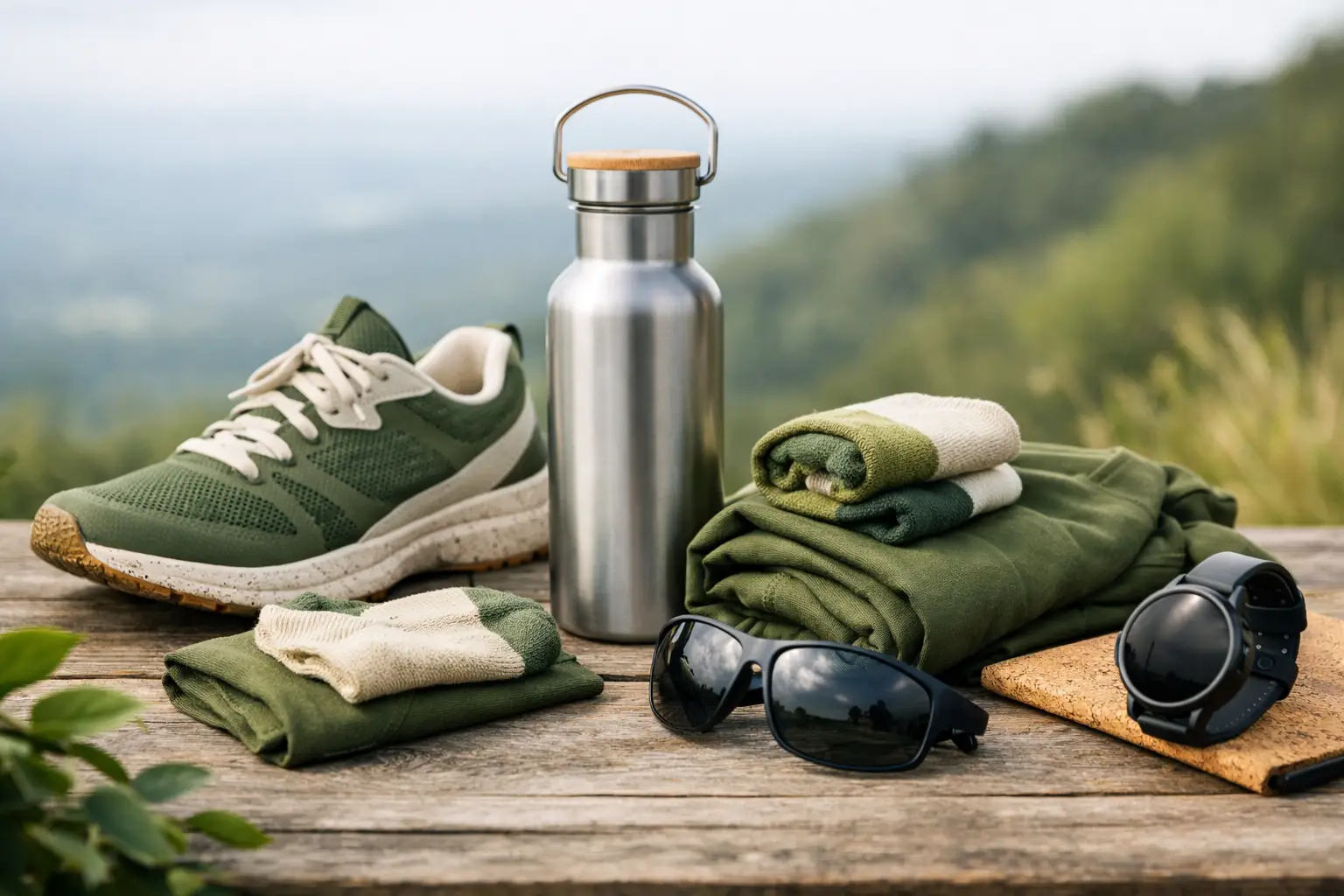
Cheap kit usually tells on itself by week three. The seam twists, the fabric holds sweat, the light dies halfway through an evening run, and suddenly that bargain does not look like value at all. The best sustainable running gear is not about buying more with greener packaging. It is about choosing fewer, better pieces that work hard, last properly and do not ask you to compromise on comfort or safety.
That matters because runners use their gear differently from casual gym-goers. You repeat the same motions, in all weather, often before sunrise or after work, and weak products get exposed fast. If your top rubs, your laces loosen, or your visibility kit fails in poor light, you feel it immediately. Sustainability only means something if the gear performs when you need it.
What makes the best sustainable running gear?
A sustainable product should do more than mention recycled materials and call it a day. For runners, the real test is whether it reduces waste over time. That means durable construction, practical design, reliable performance and materials chosen with care.
The strongest options tend to share a few traits. They are built to be worn repeatedly, washed often and used across seasons. They avoid trend-led design that pushes you to replace them early. They also solve an actual running problem, whether that is chafing, low visibility, or discomfort on longer sessions.
Ethical production matters too. If a product is made cheaply in conditions that nobody would feel proud of, it misses the point. Sustainability is not just a fabric story. It is a manufacturing story, a longevity story and, frankly, a common-sense story.
Still, there are trade-offs. Recycled fabrics can perform brilliantly, but not every recycled blend feels the same on skin. Natural fibres can sound appealing, but they are not always the best fit for sweaty, high-friction movement. The right choice depends on how, where and how often you run.
Start with the items you use most
If you want to build a better kit bag without wasting money, begin with the gear that takes the biggest beating. That usually means your tops, shorts or tights, socks, and a few core accessories.
Running clothing earns its place when it is breathable, comfortable and tough enough to keep its shape. A sustainably made top that pills after six washes is not a smart buy. The same goes for shorts with flimsy waistbands or tights that go see-through under strain. Look for simple, repeat-wear pieces that can handle regular training rather than one-off statement items.
This is where a lot of runners get caught by fast fashion. Multipacks and ultra-cheap seasonal drops look tempting, but they often create a cycle of constant replacement. One solid pair of running shorts you trust is worth more than three pairs you tolerate.
Socks are another underrated place to focus. Good running socks reduce friction, manage moisture and keep comfort steady over distance. Bad ones become bin material quickly. Sustainable choices here should still be technical. Softness is nice, but structure matters more.
The best sustainable running gear also solves real problems
A greener wardrobe is useful. Gear that fixes common running frustrations is better.
Take anti-chafe products. They are not glamorous, but they can save a run. A dependable anti-chafe balm helps prevent skin irritation on thighs, feet, underarms or sports bra lines, especially in warmer weather or on longer efforts. The sustainable angle here is not about pretending balm is a forever item. It is about choosing practical products you will genuinely use, rather than buying random extras that sit in a drawer.
Visibility gear is another essential category. If you run in the early morning, after dark or through dull winter afternoons, being seen is non-negotiable. Reflective vest straps, LED chest lights and rechargeable headlights are a smarter long-term choice than disposable or poorly made alternatives. Rechargeable products, in particular, reduce battery waste and often offer more consistent performance if they are well built.
No-tie elastic laces can sound small, but they make a noticeable difference for many runners. They help create a secure fit without constant mid-run adjustment and can extend the usefulness of shoes that still have life left in them. Again, the best sustainable choice is often the one that improves what you already own rather than forcing another full purchase.
How to judge sustainability without falling for marketing
Not every eco claim deserves your trust. Some brands use the right words and deliver the same disposable thinking underneath.
A better approach is to ask a few blunt questions. Will this product last through regular training? Is it designed for real use, not just shelf appeal? Is there evidence of ethical production or responsible sourcing? Does it replace a problem item in your current setup, or are you buying it because the branding feels worthy?
You do not need perfect answers on every purchase. Very few products are flawless. But you should expect honesty. If a brand talks about sustainability while pushing endless trend cycles and low-quality volume, that is not a values-led approach. That is green wrapping on old habits.
Price can be misleading here. Expensive does not always mean ethical or durable, and affordable does not automatically mean poor quality. The sweet spot is gear that performs properly, holds up over time and does not force you into a premium just for wanting to shop responsibly.
Build a kit bag you will actually keep using
The best sustainable running gear is rarely a huge reset. It is usually a smarter edit.
Start with what you already own. If your jacket still works, keep it. If your head torch is reliable, there is no virtue in replacing it for the sake of an eco-labelled version. Sustainability starts with using things fully. Then fill the genuine gaps with products that are versatile enough to earn regular use.
A good example is visibility kit that works across different types of sessions. If one rechargeable light can serve you on road runs, winter training and dog walks, it carries more value than a specialist gadget you only use twice. The same thinking applies to clothing. Pieces that layer well and cope with changing conditions reduce the need for an overflowing drawer.
This is also why durability should carry more weight than novelty. The runner who buys one dependable reflective setup and uses it for seasons is making a better choice than the runner who replaces trendy accessories every few months.
Best sustainable running gear for different runners
Your ideal setup depends on your routine.
If you are a beginner, comfort and consistency matter most. Prioritise simple, dependable basics: a breathable top, supportive shorts or tights, anti-chafe protection and visibility gear if you run in low light. You do not need a dozen extras. You need gear that helps you stick with the habit.
If you are training several times a week, focus on repeat performance. Look for clothing that keeps its fit after frequent washing, accessories that reduce friction points in your routine and lighting you can trust without second-guessing. Rechargeable products become especially useful here because they lower ongoing waste and hassle.
If you run all year in Britain, weather versatility matters. Damp mornings, dark evenings and shifting temperatures call for practical choices. Reflective gear, reliable lights and layers that actually breathe will do more for your running than a wardrobe full of single-purpose pieces.
Why fewer, better products usually win
There is a reason serious runners become ruthlessly selective. Once you know what works, you stop caring about clutter.
That mindset fits sustainability perfectly. Buying fewer products does not mean settling for less. It means backing gear that earns its place every time you head out the door. Reliable accessories, ethically made clothing and products that reduce discomfort all help you run with more confidence and less waste.
That is the standard worth aiming for. Not perfection. Not a performative eco checklist. Just honest, hard-working kit built for runners who want to move well and buy with purpose.
Brands such as 4R are part of that shift because they focus on practical running essentials rather than disposable fashion noise. That is where sustainable progress gets real – in gear that supports the run, respects the planet and keeps pace with everyday life.
If you are choosing your next piece of kit, keep it simple. Buy the item that you will use often, trust fully and still be glad you own next season.