

Blog
Ethical Running Clothing That Goes the Distance

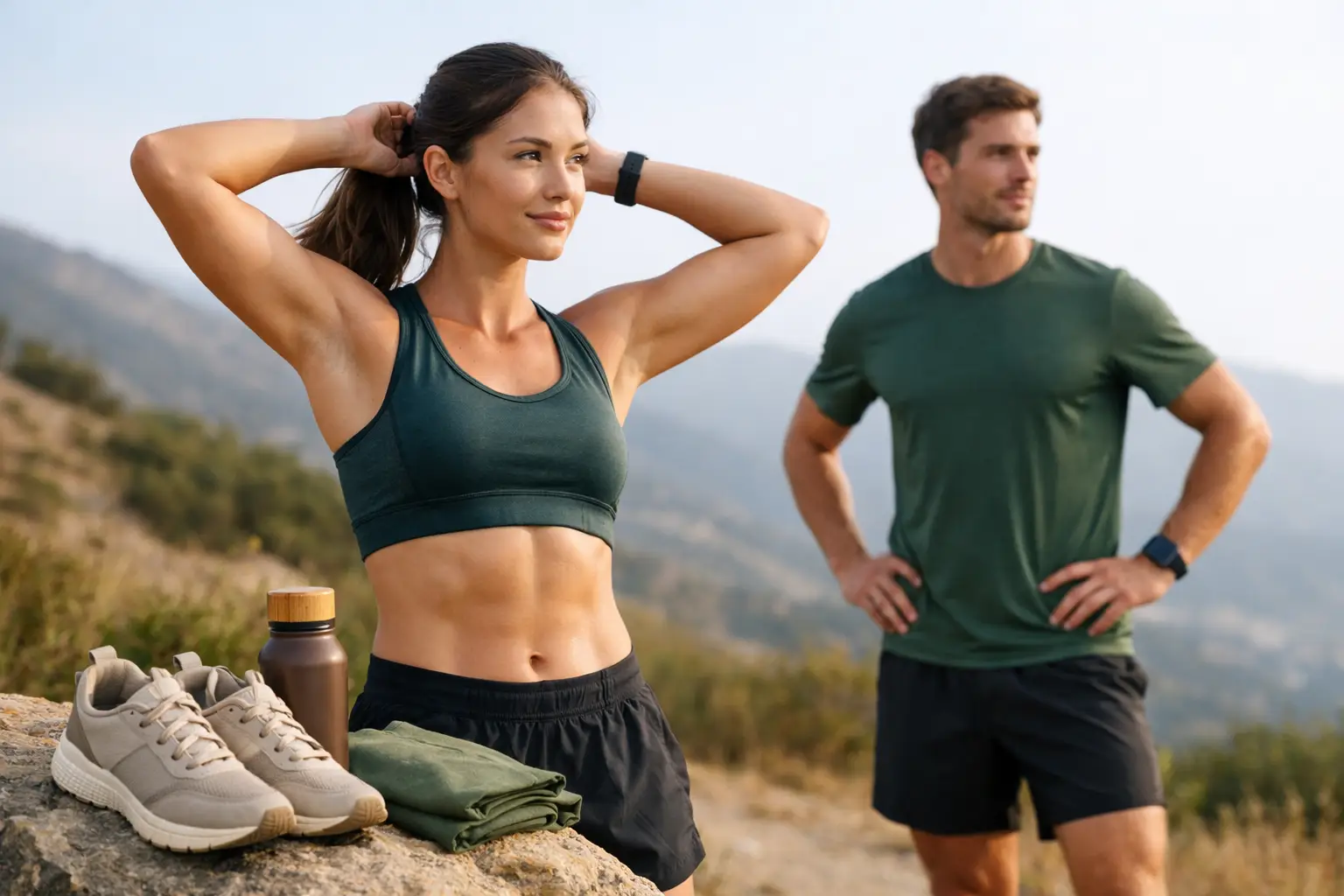
That bargain running top stops looking like a bargain when it loses shape after a few washes, traps sweat on a long run, and leaves you buying another one a month later. Ethical running clothing matters because runners put kit through real work. If your gear cannot handle early starts, wet weather, repeat washes and regular mileage, it is not a good deal – no matter how cheap it looked on the rail.
For runners who care about performance and principles, the real question is not whether clothing is labelled sustainable. It is whether it is made well, made fairly and built to last. That is where ethical choices start to make sense. Better kit means fewer replacements, less waste and more confidence every time you head out the door.
What ethical running clothing should actually mean
The phrase gets thrown around far too easily. A green tag or a recycled logo on its own does not tell you enough. Ethical running clothing should mean three things at once: people were treated fairly in production, materials were chosen with lower impact in mind, and the product was designed for a long useful life.
That last point gets missed all the time. A top made from better fibres is still part of the problem if it falls apart quickly. Running gear is not decorative. It needs to stretch, breathe, move with you and survive constant washing. Ethical clothing that cannot perform is just another short-term purchase dressed up as a good deed.
There is also a difference between perfect and better. Most technical running clothing still relies on synthetic materials because runners need moisture management, durability and lightweight comfort. That does not make every synthetic garment unethical. It means the better choice is often the one that balances performance with recycled content, responsible production and a realistic lifespan.
Why runners should care about ethical running clothing
Running is simple. That is one of its strengths. But the clothing market around it is often built on overconsumption – endless drops, trend-led colours and the idea that you need a fresh outfit for every season, pace or social post. That is fast fashion wearing trainers.
Runners deserve better than that. You need kit that works on a dark winter run, a warm summer tempo session and a drizzly Sunday 10K. Ethical running clothing pushes against disposable buying habits. It encourages a smaller wardrobe of dependable pieces you trust.
That is good for the planet, but it is also good for your routine and your wallet. Buying fewer, better items usually costs less over time than constantly replacing flimsy kit. It also cuts down the frustration of chafing seams, sagging waistbands and tops that stop performing long before your training block is over.
How to judge quality beyond the marketing
The test is simple. Ignore the slogan first and look at the product itself.
Fabric matters, but so does construction. Check whether the material feels substantial without being heavy. Look at the seams. Are they flat and tidy, or bulky and likely to rub over distance? Does the garment feel made for movement, or just made to be sold? Ethical claims mean very little if the basics are poor.
Fit matters just as much. Running clothing should stay put without restricting you. Shorts should not ride up. Tops should not cling awkwardly when wet. Layers should be easy to combine across different conditions. If a piece only works in a narrow set of circumstances, it is less useful and less sustainable in practice.
Then think about wash after wash. Good running gear needs to keep its shape, elasticity and comfort over time. Clothing that degrades quickly creates waste, even if the original message sounded responsible.
Materials, performance and the trade-offs
There is no single miracle fabric. Anyone telling you otherwise is selling a shortcut.
Recycled polyester is common in ethical running clothing because it helps reduce reliance on virgin materials and still offers the technical qualities runners need. That can be a smart choice, especially for tops, tights and outer layers. The trade-off is that synthetic fabrics can still shed microfibres over time, so longer-lasting garments matter even more.
Natural fibres can have a place too, but they are not always ideal for every run. Some feel soft and comfortable for easy efforts or casual wear, yet may hold moisture or lose shape compared with technical blends. It depends on the garment, the weather and how hard you train.
The strongest approach is usually balance. Choose materials that suit the purpose, then prioritise durability and responsible sourcing. Ethical running clothing is not about chasing purity. It is about making better decisions with the realities of running in mind.
Buying less is part of the point
One of the most ethical choices a runner can make is refusing to overbuy.
You do not need a mountain of kit to train well. Most runners can build a solid wardrobe around a few reliable essentials: comfortable tops, well-fitting shorts or tights, layers for changing weather and practical accessories that improve safety and comfort. When each item earns its place, your wardrobe works harder and creates less waste.
This is where cross-functional design really counts. A jacket that works for commuting as well as cold runs is more useful than one built for a single niche moment. The same goes for accessories. A dependable headlight, reflective straps or no-tie laces that last season after season do more good than gimmicky add-ons that spend most of their life in a drawer.
A smaller kit rotation also helps you notice quality faster. You learn which pieces support your training and which ones only looked good at checkout.
The questions worth asking before you buy
If you want ethical running clothing, be prepared to look past glossy branding. Ask simple, direct questions.
Who made this, and under what conditions? What materials were used, and why? Was the product built for repeated use, or is it likely to need replacing soon? Does the brand encourage thoughtful buying, or constant consumption?
You do not need a fashion degree to spot the difference. Brands that are genuinely committed to ethical production tend to speak clearly about their standards. They focus on product life, practical use and responsible choices, not just image. They also understand that affordability matters. Ethical clothing should not be reserved for people willing to pay inflated prices for a label.
That matters for everyday runners. Sustainable choices only make a real impact when they are accessible enough to become normal, not niche.
Ethical clothing still has to feel good on the run
Values matter. So does comfort at kilometre eight.
There is no virtue in buying clothing that irritates your skin, overheats you or distracts you when you are trying to focus. The right ethical running clothing should help you perform at your best, not ask you to compromise every time you train. If a garment does not feel right in motion, it is not the right garment for running, however impressive the sustainability message sounds.
This is why practical details deserve attention. Breathability, softness against the skin, freedom of movement and visibility in low light are not extras. They are part of what makes kit worth owning. Ethics and function should work together.
That principle runs through everything at 4R. Running gear should support the runner first, while standing firmly against wasteful fashion habits that push people to keep buying and binning. Performance, affordability and responsible production do not need to be in conflict.
Build a running wardrobe with more purpose
Start with honesty about how you actually run. If you train three times a week in mixed weather, buy for that reality rather than some fantasy version of your life. Pick versatile layers, dependable fabrics and accessories you will use regularly. Replace what is worn out, not what you are bored of.
It also helps to slow down your decisions. The best purchases are rarely impulse buys. Give yourself time to assess whether a piece solves a real problem, fills a genuine gap or simply adds clutter. Ethical running clothing is not about perfection. It is about intention.
And if you are choosing between a cheap item that might last a season and a better-made piece that can handle regular use, think beyond the first receipt. The strongest kit earns its keep over hundreds of miles, not one weekend.
Running already teaches discipline, consistency and resilience. Your clothing can reflect the same mindset. Choose gear that respects the people who made it, reduces unnecessary waste and keeps turning up for your miles. That is not just a better way to shop. It is a better way to run.