

Blog
10 Sustainable Sports Clothing Brands to Know

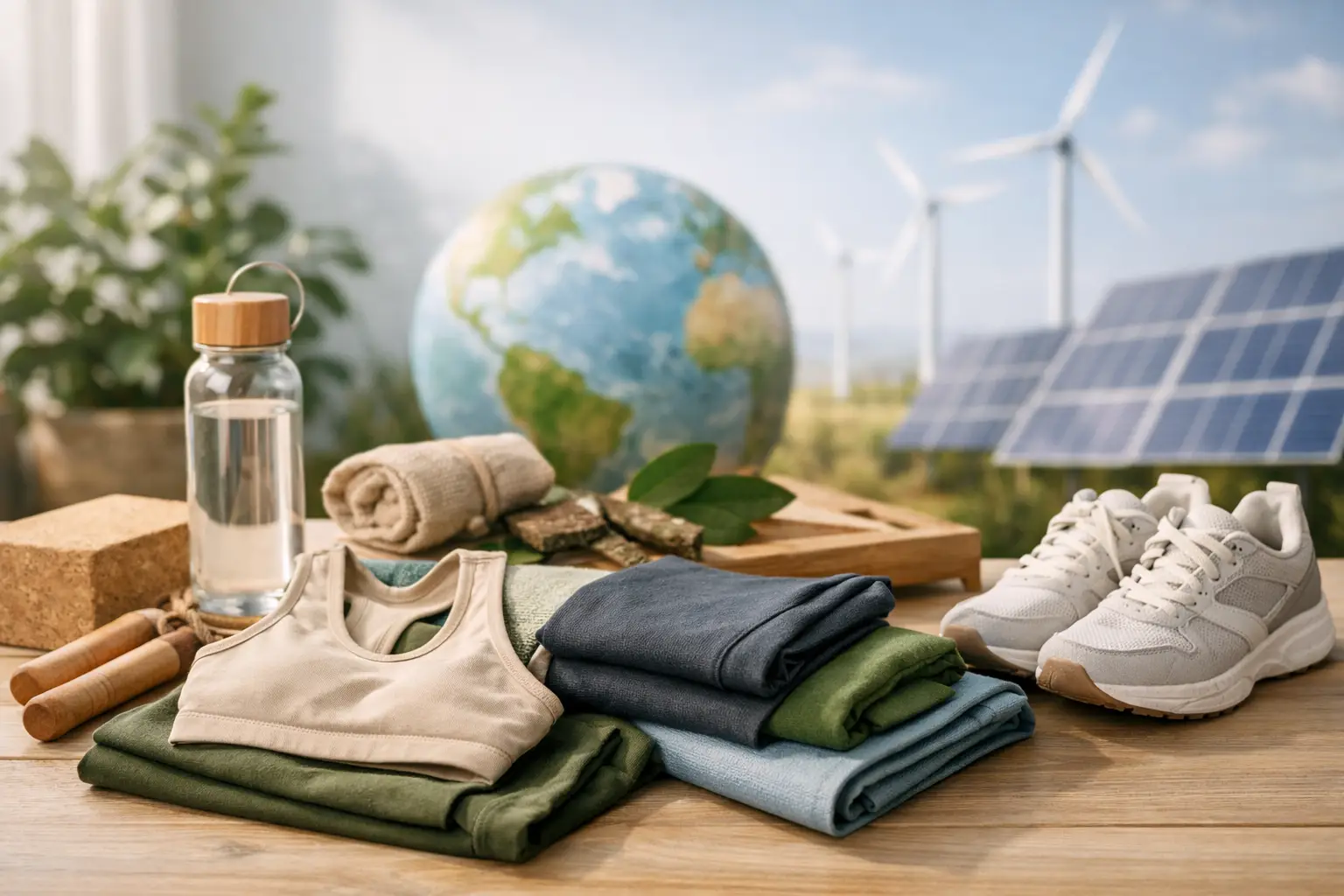
Buying running kit should feel simple. You need gear that performs, holds up through repeated washes, and does not fall apart after one hard training block. But once you start looking into sustainable sports clothing brands, the choice gets messy fast. Big claims, vague labels, recycled-this, eco-that. Plenty of noise. Not always much substance.
For runners, the answer is not buying more “green” gear for the sake of it. It is buying better, buying less, and choosing brands that respect both performance and production. If your leggings slip, your top traps sweat, or your jacket gives up in bad weather, it is not sustainable no matter how impressive the hangtag looks.
What makes sustainable sports clothing brands worth backing?
A strong brand does more than swap one fabric for another. The best sustainable sports clothing brands think about the full picture – materials, factory standards, durability, packaging, and whether the product genuinely earns a place in your weekly rotation.
That matters because sportswear is hard to get right responsibly. Performance fabrics are often synthetic, and synthetics bring trade-offs. They wick sweat well and dry quickly, but they are usually derived from fossil fuels. Natural fibres can feel great, yet they do not always deliver the stretch, recovery, weather resistance, or abrasion resistance runners need. So the smart question is not “Is this perfectly sustainable?” It is “Is this a better product, made in a better way, and built to last?”
That is a more honest standard. It also helps you cut through greenwashing.
How to judge sustainable sports clothing brands properly
Start with materials, but do not stop there. Recycled polyester, recycled nylon, organic cotton, Tencel and merino all have a place, depending on the garment. A technical running tee has different demands from a post-run hoodie. If a brand uses recycled synthetics for high-sweat performance pieces, that can be a sensible choice. If it uses lower-impact natural fibres for casual or low-intensity wear, that can make sense too.
Next, look at durability. This gets ignored far too often. A cheap top that loses shape after ten washes is wasteful, even if it arrived in recyclable packaging. Durable kit reduces repeat buying. That matters for your budget and for the planet.
Factory transparency matters as well. Brands should be clear about who makes their products and under what standards. No brand is perfect, but serious ones are specific. They talk about audited factories, fair working conditions, smaller production runs, and better traceability. If the message stays vague, there is usually a reason.
Finally, check whether the brand encourages overconsumption. Constant drops, endless trend-led collections, and pressure to replace usable gear are fast-fashion habits in activewear clothing. A genuinely values-led brand should help you build a practical kit, not a bloated drawer.
10 sustainable sports clothing brands to know
Patagonia remains one of the strongest names in this space because it pairs technical credibility with long-term environmental commitments. It is not the cheapest option, and that will matter for plenty of runners, but the brand has earned trust through transparency, repair culture, and durable design.
Girlfriend Collective built its reputation on recycled materials and inclusive sizing. Its pieces are especially popular for gym training, yoga, and everyday active use. For running, some runners love the compressive feel, while others may want lighter, more stripped-back options for speed sessions.
Janji is worth attention if running is your main sport. The brand puts real focus on movement, storage, comfort and practical detail. It also works to improve its material choices and production standards. If you want performance-first gear without ignoring ethics, it is a strong contender.
Tentree leans more lifestyle-active than hardcore run-tech, but it appeals to buyers who want straightforward sustainability messaging and lower-impact materials. It may not be the first stop for race-day kit, yet it can work well for recovery wear and lighter training.
Organic Basics has built a following on clean design and a more transparent approach to essentials. It is best viewed as a crossover option. Some pieces suit training, but not every product is designed for serious mileage. That is fine, as long as you buy for the use case.
Passenger tends to sit closer to outdoor lifestyle than pure sports performance, but it reflects a wider shift buyers care about – fewer throwaway products and more considered materials. For runners, it is more relevant off the road than on it.
BAM uses bamboo-based fabrics in many products and has a loyal following in the UK. Comfort is a major draw. Still, bamboo claims can be oversimplified across the industry, so it is worth looking at the exact fabric blend and intended activity before buying.
Finisterre is another British brand with strong sustainability credentials, especially around responsible sourcing and product longevity. It is more outdoor-focused than running-focused, but it deserves a place in the broader conversation around better sportswear.
Allbirds has expanded from footwear into apparel with a material-led approach built around natural and lower-impact inputs. Some runners will appreciate the simplicity, though others may find the apparel range less technical than specialist running brands.
4R belongs in this discussion for a simple reason: sustainable sportswear only matters if it works in the real world. Runner-focused kit, ethical production, durable design and practical accessories make far more sense than chasing fashion cycles. That is the standard more brands should be aiming for.
The trade-offs no one should pretend away
There is no perfect sportswear brand. That is the truth. Recycled polyester is still polyester. Merino has benefits, but wool sourcing raises its own questions. Organic cotton is better in some contexts, yet it is not the best option for every training session. Packaging can improve while factories still need work. Prices can reflect better standards, but not every higher price means better ethics.
That is why shopping well matters more than shopping emotionally. The right choice depends on what you actually do. If you run three times a week in changeable weather, you need dependable gear that can handle sweat, friction, rain and repeat use. If you mainly train indoors, you might prioritise softness, stretch and odour control instead.
Use matters. Frequency matters. Longevity matters most of all.
How runners can build a more sustainable kit
You do not need a full reset. Start with the pieces you use hardest and replace only what is genuinely worn out or failing. For most runners, that means socks, tops, tights or shorts, outer layers, and visibility gear for darker runs.
Choose versatile products where you can. A lightweight layer that works for cool mornings, easy runs and walks gives you more value than a niche item worn twice a year. The same logic applies to accessories. Reliable, rechargeable and long-lasting pieces beat disposable or poorly made ones every time.
Fit is part of sustainability too. If something rides up, rubs, pinches or distracts you, it will sit in a drawer. A good purchase is one you actually want to wear. That sounds obvious, but it is where plenty of well-meant buying goes wrong.
Care matters as well. Wash kit cooler, skip unnecessary tumble drying, and follow the garment instructions. Technical clothing lasts longer when it is treated properly. A little effort here saves money and reduces waste without any grand gestures.
Red flags to watch for when comparing sustainable sports clothing brands
Be wary of brands that talk only about one material and say nothing about labour standards. Watch for marketing that uses words like “eco” and “conscious” without giving any proof. Be cautious if every season brings a flood of new collections dressed up as essentials.
Also question brands that sell sustainability as luxury by default. Better production does cost money, but affordability matters. Ethical activewear should not be reserved for a tiny slice of shoppers. The strongest brands are pushing for better standards while still making practical kit available to ordinary people who actually train in it.
That is the real shift worth backing. Not perfection. Progress with purpose.
If you are choosing between flashy claims and dependable products, back the brand that helps you run further with less waste and fewer replacements. Your kit should work hard, last well, and line up with your values without turning every purchase into a compromise.