

Blog
Why Ethically Made Sportswear Matters

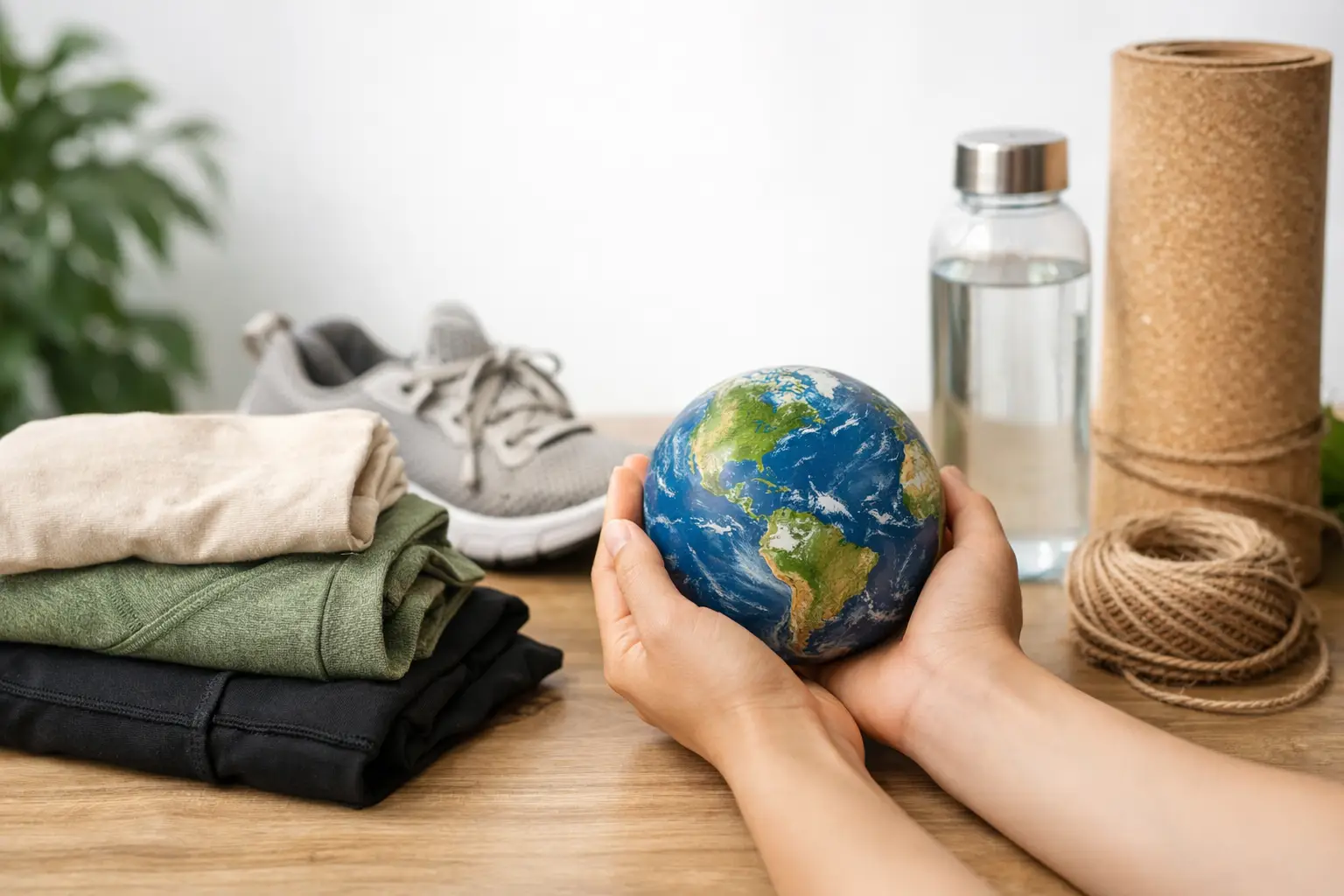
A flimsy running top that twists after two washes is annoying. A pair of leggings that go see-through mid-squat is worse. But the bigger frustration is knowing too much sportswear is built for short-term sales, not long-term use. That is exactly why ethically made sportswear matters. It gives runners and active people a better standard – kit that performs, lasts, and is made without treating people or the planet as disposable.
For a lot of brands, “sustainable” has become a neat label slapped onto business as usual. A recycled fabric here, a green campaign there, and somehow we are meant to ignore overproduction, poor working conditions and products designed to be replaced in a season. Runners deserve better than that. If your gear is supposed to support your goals, it should also stand up to your values.
What ethically made sportswear really means
Ethically made sportswear is not just about one material or one factory certificate. It is a broader commitment to how a product is designed, sourced, made and sold. That starts with labour. People making activewear should be paid fairly, work in safe conditions and not be pushed through unrealistic production targets simply to keep prices artificially low.
It also includes the environmental side, but this is where things get more nuanced. A product can use recycled polyester and still be part of a wasteful system if it is poorly made and quickly discarded. Equally, a piece made from a less fashionable fabric choice may have a lower overall impact if it lasts for years and gets worn constantly. Ethics is not a single tick-box. It is the sum of the choices behind the product.
For runners, that distinction matters. Performance gear takes a beating. It is washed often, stretched repeatedly and exposed to rain, sweat, sun and friction. If a brand says its sportswear is ethical, the claim should hold up both morally and practically. Good intentions are not enough if the kit falls apart halfway through a training block.
Why fast fashion fails runners
Fast fashion trains shoppers to expect endless newness. New colours, new edits, new seasonal drops, all at prices that suggest clothing is almost disposable. That model does not serve runners well. When you find shorts that do not ride up, a top that actually breathes, or accessories that solve real problems on the road, you want reliability – not gimmicks.
Cheap sportswear often hides its real cost. The stitching can weaken quickly, waistbands lose shape, reflective details peel and fabrics start smelling tired long before they should. Replacing low-quality kit again and again is not a bargain. It is just a slower, more frustrating way to spend more.
There is another trade-off too. The lower the price is pushed, the more pressure tends to land somewhere else in the chain – on materials, on workers, or on durability. That does not mean every affordable product is unethical, and it does not mean ethical sportswear has to be expensive. It means brands need to make deliberate choices. Affordability only means something if the product is still dependable.
The performance case for ethically made sportswear
There is a lazy assumption that buying on principle means compromising on performance. For runners, that is simply not good enough. If your vest traps heat, your anti-chafe solution fails after a few miles, or your visibility gear lets you down in low light, the ethics claim will not carry much weight.
The good news is that ethically made sportswear can be highly practical because the same thinking that rejects waste usually values better design. Durable seams, well-tested fabrics, cross-functional pieces and accessories that solve everyday running problems all fit the same mindset. Buy less. Choose better. Keep moving.
This is especially true for runners who are not chasing trends. Most people want gear that works on Tuesday morning in the rain, on a weekend 10K, and on the school run afterwards. They want pieces that earn their place in the drawer. Ethical production and product longevity sit naturally together when a brand is focused on utility rather than constant churn.
How to spot genuinely ethically made sportswear
You do not need to become a supply chain expert to shop more confidently, but you do need to look past marketing slogans. Start with transparency. Brands that are serious about ethical production tend to say something clear about how and where products are made, what materials are used and why those choices were made.
Then look at the product itself. Does it seem built for repeated use, or just built to sell? Reliable sportswear usually has a quieter kind of confidence. It is less about hype and more about fabric feel, fit, function and finish. If every collection is screaming urgency and novelty, that is often a sign the business is still rooted in the fast-fashion playbook.
Claims around recycled content are useful, but they should not be the whole story. Recycled fibres can reduce dependence on virgin materials, which is a positive step. Still, they do not cancel out poor construction, overproduction or throwaway design. The strongest ethical brands tend to combine better materials with durability, sensible product ranges and honest communication.
Price can also tell part of the story, but not in a simple way. Very high prices do not guarantee ethical standards. Very low prices can be a warning sign, though some direct-to-consumer brands manage to keep costs fair by cutting unnecessary retail mark-ups rather than cutting corners. That is a meaningful difference.
What runners should buy less of – and buy better
A smarter running wardrobe is usually a smaller one. Most runners do not need a mountain of kit. They need a few dependable essentials that cover regular training, changing weather and visibility in darker conditions. That might mean one really solid running top instead of three average ones, or accessories that improve comfort and safety across multiple sessions rather than niche purchases that rarely leave the cupboard.
This is where ethics becomes practical. If you choose sportswear and running gear that are designed to last, you reduce waste without overcomplicating your life. You also spend less time replacing things that should have worked in the first place.
A brand like 4R fits that space well because the focus is not on dressing runners for a trend cycle. It is on giving them durable, useful kit that supports performance and aligns with a more responsible way to buy. That is a stronger model than pumping out endless styles no one needed.
The trade-offs are real – but still worth making
No product is impact-free. Synthetic performance fabrics can be effective for sweat management and durability, but they come with environmental questions. Natural fibres can feel better in some contexts, but they are not always ideal for high-intensity training. Manufacturing at scale can improve access and affordability, yet it demands careful oversight to keep standards high.
So yes, there are trade-offs. Ethical shopping is rarely about perfection. It is about choosing better options within the real-world needs of performance, comfort and budget. For most runners, the best move is not chasing the purest possible product on paper. It is choosing gear that is transparently made, built to last and used often.
That last point matters more than people think. A well-made piece worn for years is usually a stronger choice than a supposedly greener item barely used before being binned. Frequency of use changes the equation.
Ethically made sportswear is part of a better running habit
The best running habits are not flashy. They are consistent. You lace up, head out, do the work and come back stronger. Buying better kit follows the same logic. You do not need a wardrobe full of impulse buys. You need gear that helps you train well, feel comfortable and keep going.
Ethically made sportswear supports that approach because it asks a better question than “What is new?” It asks, “What is worth owning?” That shift is good for your wallet, better for the people making your clothes, and far kinder to the environment than treating activewear like single-season packaging.
If you are building your running kit from scratch or replacing tired essentials, start with products that solve real problems and stand up to repeated use. Look for honesty, durability and function before hype. Your miles deserve that level of respect – and so do the people and resources behind the gear you wear.