

Blog
Running Reflective Vest Straps That Work

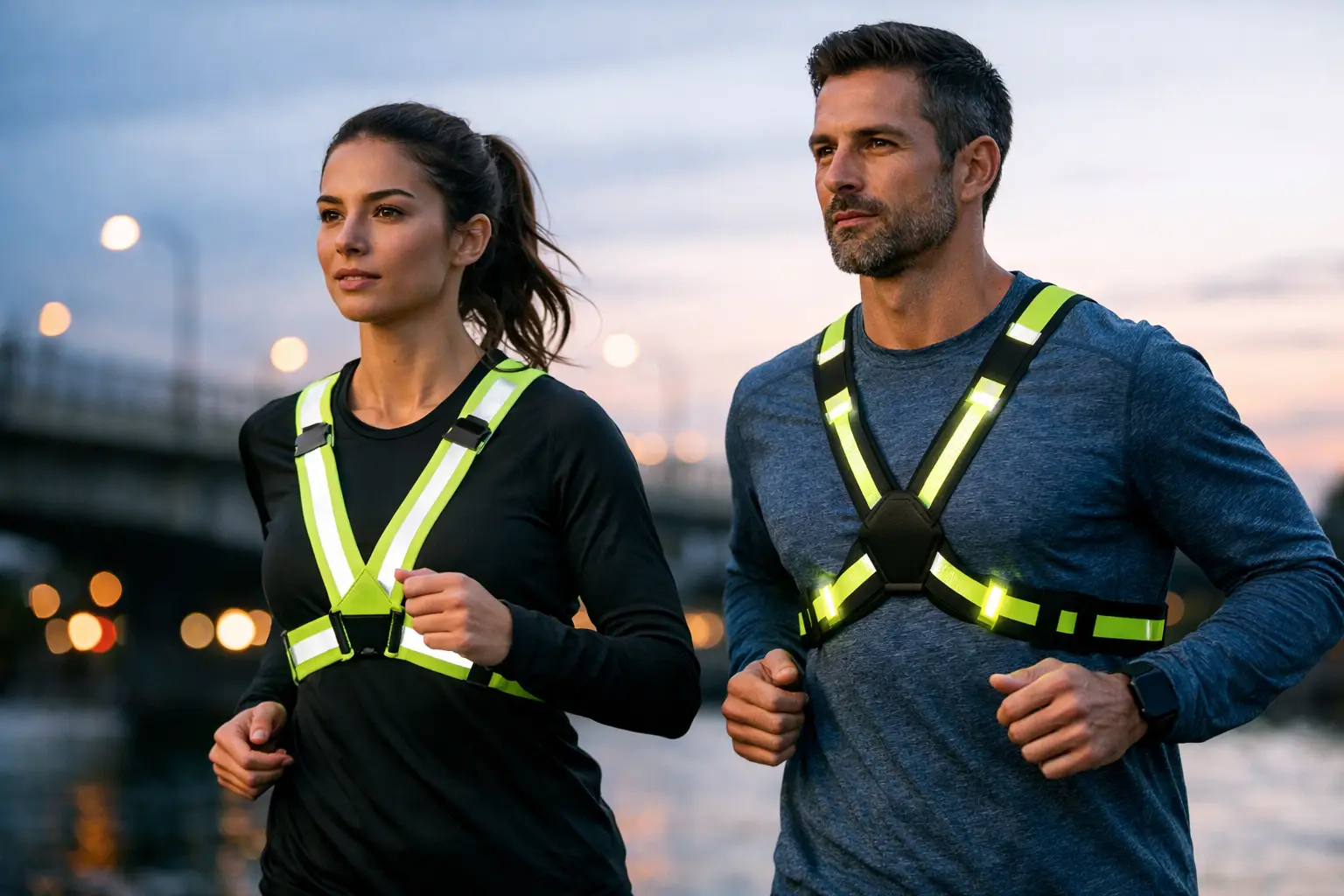
That stretch of road looks very different at 6am in winter. The pavement is quieter, the crossings feel longer, and every passing headlight matters. That is exactly where running reflective vest straps earn their place – not as an extra bit of kit, but as a simple layer of protection that helps you stay seen without slowing you down.
For most runners, visibility gear only works if it is comfortable enough to forget about after the first few minutes. If it bounces, twists, pinches or rides up, it ends up in a drawer. The best reflective vest straps do the opposite. They sit close to the body, move with your stride and give you one less thing to think about when the weather is grim and the light is poor.
Why running reflective vest straps matter
A reflective strap system solves a very practical problem. Drivers, cyclists and other road users need to spot you early, not at the last second. High-visibility colours help in daylight and dull conditions, but reflective detailing becomes especially useful when headlights hit it in low light.
That said, not all low-light running is the same. If you run in a well-lit town centre, reflective straps may be enough on their own. If you run on darker country lanes, park paths or uneven routes, reflection helps with visibility but does not light your way. In those conditions, a chest light or headlight often makes more sense alongside reflective gear. It depends on where you run, what time you run, and how much street lighting you can rely on.
There is also a sustainability angle here that often gets missed. Cheap safety gear that frays, loses elasticity or cracks after one season is not good value, and it is not good for the planet either. Runners do not need more throwaway accessories. They need gear that can handle repeated use, wet mornings and the bottom of a gym bag without falling apart.
What good running reflective vest straps should feel like
The first test is simple. You should be able to run naturally in them. Your shoulders should move freely, your breathing should not feel restricted and the straps should stay in place through easy miles and faster efforts alike.
A good fit usually comes down to adjustability. Bodies vary, and so do layering choices. In July, you may wear straps over a light tee. In January, they may need to sit over a long-sleeve base layer and a running jacket. If the adjustment range is too limited, the vest becomes a seasonal product instead of an all-year one.
Material matters as well. Lightweight straps are generally more comfortable, but they still need enough structure to avoid twisting. Buckles should feel secure without being bulky. Elastic needs a bit of give, but too much stretch can create bounce, especially once you start picking up pace.
You should also pay attention to where the reflective detailing sits. Front-facing and rear-facing visibility is the obvious baseline, yet side visibility matters too, especially at junctions and crossings. A strap design that creates clear reflective lines from multiple angles usually performs better than one with tiny patches placed as an afterthought.
Running reflective vest straps vs full reflective vests
This is where preference and conditions come into play. Running reflective vest straps are often lighter, less sweaty and easier to layer than a full vest. They suit runners who want low bulk and easy packability. If you are squeezing in a run before work or carrying kit in a small bag, straps are usually the more practical option.
A full reflective vest may offer more coverage and can feel more obvious in very poor conditions. But more fabric can also mean more heat retention, which is not always welcome once you settle into your pace. Some runners also find full vests less adaptable over different layers.
If your priority is freedom of movement and minimal fuss, straps are often the better pick. If your route is very exposed and you want maximum visual coverage, a vest may still be worth considering. Neither is automatically better. The right choice depends on your route, your climate and how much kit you actually enjoy wearing.
How to choose running reflective vest straps
Start with fit before anything else. Reflectivity means little if the straps annoy you after one kilometre. Look for easily adjustable front and side sections so you can fine-tune the shape around your torso without creating pressure points.
Next, think about how and when you run. If most of your miles happen in low light a few times a week, standard reflective straps may be enough. If you regularly run in darkness, especially on roads with limited lighting, you may want a setup that works with a rechargeable light. Some runners prefer separate pieces of kit for flexibility, while others want everything integrated. There is no perfect answer, only the one that suits your routine.
Durability should carry real weight in the decision. Strong stitching, dependable fastenings and materials that hold their shape over time matter more than flashy extras. A running accessory should not feel disposable. It should be built to last through repeated use, because replacing cheap gear every season is a false economy.
Finally, think honestly about convenience. If it takes too long to put on, if it tangles with your headphones, or if it is awkward over a jacket, you will start making excuses not to wear it. The best safety gear is the gear you actually use.
Common problems and what they usually mean
If your reflective straps bounce, the fit is probably too loose or the elastic is too soft for your stride. A quick adjustment can help, but some designs simply do not have enough structure for faster running.
If the straps chafe, it may be down to rough edging, poor placement or how they sit against a vest or tee. Layering makes a difference here. Something that feels fine over a jacket may rub over a thin summer top.
If the reflective parts seem less effective over time, wear and dirt could be part of the issue. Mud, road spray and general grime can reduce how cleanly reflective surfaces perform. A gentle clean and proper storage can help, but if the materials degrade quickly, that points to poor-quality construction.
If the whole setup feels awkward, the design may just not suit your body shape or your preferred kit. That is worth saying plainly. Even a well-made product is not automatically right for every runner.
How to wear and care for them properly
Running reflective vest straps work best when worn close enough to stay stable but not so tight that they restrict movement. Adjust them standing up, then do a short jog in place before heading out. Small tweaks at home are better than mid-run fiddling at a crossing.
In colder months, test them over the exact layers you plan to wear. A strap that fits neatly over a base layer may sit very differently over a water-resistant jacket. This matters more than many runners expect.
After wet or muddy runs, let them dry properly before stuffing them in a bag. Damp gear stored carelessly tends to age badly. If they need cleaning, keep it gentle and follow the care instructions. Harsh washing can shorten the life of reflective finishes and elastic components.
That longer lifespan is not just a money issue. It is part of buying better and buying less. Well-made running gear should earn its place over hundreds of sessions, not one short season.
Why everyday runners should care about quality
You do not need to be marathon training at 5am every day to justify decent visibility gear. If you run before sunrise, after work, through winter or in patchy weather, being seen matters. Reliable equipment is not about looking serious. It is about removing friction from the habit so you can keep showing up.
That is why quality running reflective vest straps are worth choosing carefully. They should support your run, not become another problem to manage. Good design is simple. It fits well, lasts well and helps you move with confidence in conditions that are far from ideal.
Brands like 4R exist because runners are tired of disposable kit that promises plenty and delivers very little. The better approach is straightforward – choose practical gear, use it hard, and expect it to last.
The right straps will not make dark winter miles glamorous. They will do something better. They will help you get out the door, stay visible and keep your focus on the run in front of you.