

Blog
Capsule Running Kit Example: A 12-Piece Plan

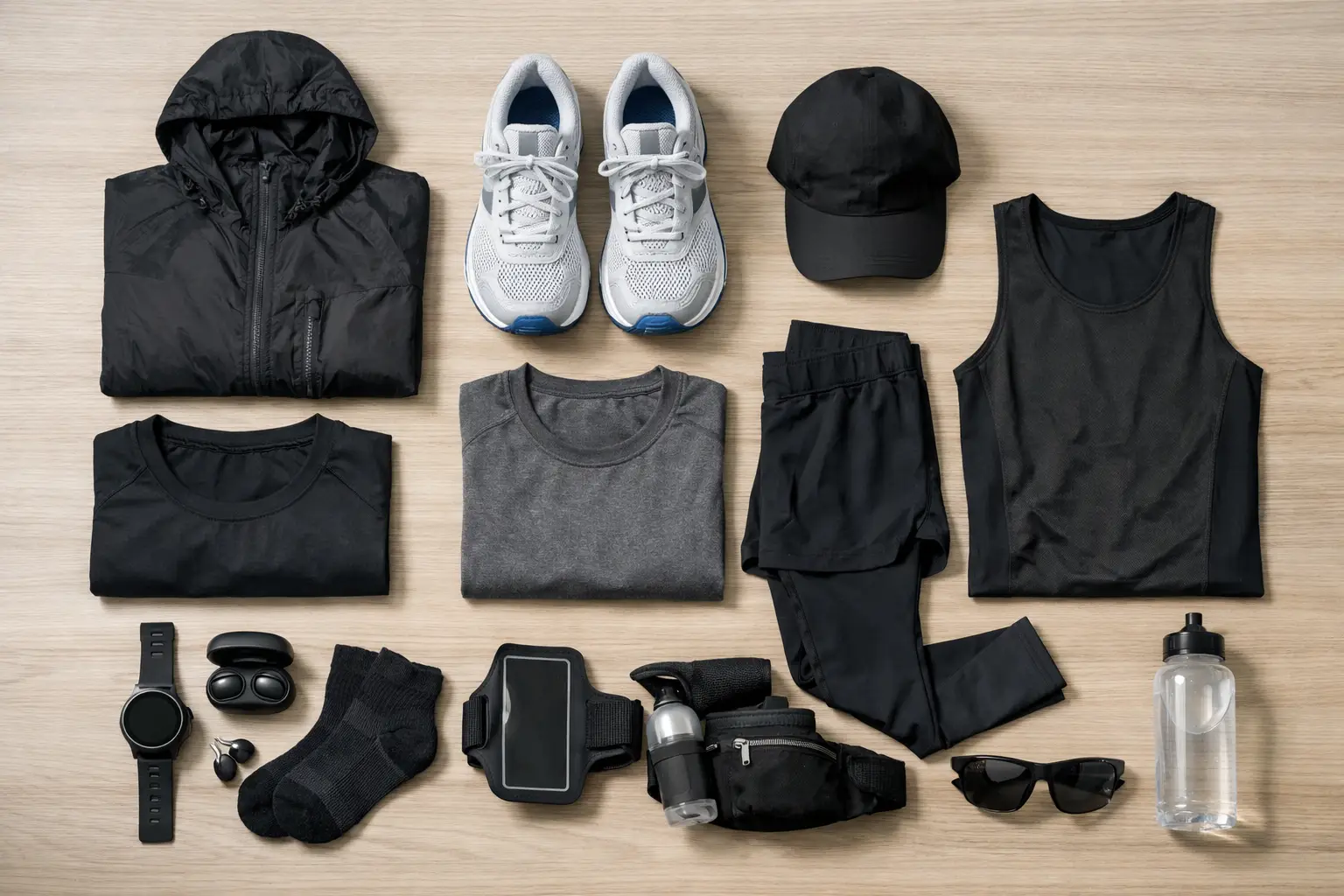
Your running drawer should not require an expedition plan at 6am. A good capsule running kit example is a small, hard-working set of clothing and accessories you can reach for in any weather, without buying a new outfit for every run. It saves time, reduces waste and puts your focus where it belongs: getting out the door.
The point is not to own the absolute minimum. It is to own fewer pieces that genuinely earn their place. For most everyday runners, that means kit that layers well, washes easily, stays comfortable over distance and keeps working through dark mornings, wet pavements and warmer weekend miles.
What a capsule running kit should do
A running capsule is different from a colour-coordinated activewear wardrobe. Every item needs a job. Your base layers manage sweat. Your outer layers handle changing conditions. Your accessories solve practical problems such as rubbing, low visibility and loose laces.
Choose pieces that work together rather than pieces designed for one perfect Instagram run. Black, navy, charcoal and deep green are practical foundations, but visibility still matters. Add reflective details and lighting for dawn, dusk and night rather than relying on a bright top alone.
The right number of pieces depends on how often you run, your local climate and laundry routine. Someone running twice a week can manage with less than a person training five days a week. If you run commute, travel for races or spend time on trails, a few specialised additions make sense. The rule is simple: add only when a real running need keeps appearing.
A 12-piece capsule running kit example
This capsule suits a runner covering two to five sessions a week in typical British conditions. It gives you enough rotation to avoid panic-washing kit the night before a run, while staying far leaner than a drawer full of duplicates.
1. Two technical running tops
Start with two breathable tops that feel good both alone and under a layer. One short-sleeve and one long-sleeve top is the most flexible pairing. Look for a fit that does not cling uncomfortably when wet or ride up under a running belt or vest.
A technical fabric does not have to mean disposable fabric. Prioritise construction, washability and a shape you will still want to wear next season. A top that survives regular use is usually the more sustainable choice than several cheap replacements.
2. One lightweight long-sleeve layer
This is your in-between piece for cool starts, breezy spring days and easy miles when you do not need a jacket. It should fit comfortably over a short-sleeve top and beneath an outer layer. Avoid making it too bulky. If it only works in one narrow temperature range, it is unlikely to become a capsule favourite.
3. Two pairs of shorts or running tights
Pick the format you actually reach for. Many runners need one pair of shorts and one pair of full-length tights; others prefer two pairs of shorts for most of the year. If you often run in cold weather, swap one pair for thermal tights.
Fit matters more than trend. Waistbands should stay put without digging in, and pockets should hold the essentials without bouncing. Test them on a longer run before deciding they have earned a permanent place.
4. One weather-ready running jacket
A lightweight jacket is the difference between skipping a run and feeling prepared for it. Choose one that blocks wind and handles light rain, with enough breathability for steady effort. A fully waterproof shell can be worthwhile for exposed routes or trail running, but it may feel clammy on a short, mild road run.
This is a useful trade-off to be honest about. One jacket rarely excels in heavy rain, warm temperatures and high-intensity sessions. For most runners, a dependable wind and shower layer covers more days than an expensive specialist shell.
5. Three pairs of proper running socks
Socks are not a minor detail when they decide whether you finish blister-free. Three pairs gives you enough rotation for regular training, though add a fourth or fifth pair if you run most days. Choose a close fit with cushioning where you need it, not the thickest option by default.
Your footwear and sock combination should be tested together. A sock that works brilliantly in one trainer can bunch or rub in another.
6. One reliable pair of road running shoes
Your main running shoes are the foundation of the kit. Select them for comfort, stability and the type of running you do most, not because a race-day shoe looks fast. If you are new to running, a versatile daily trainer is usually the sensible place to start.
Shoes are the category where a second pair can eventually be justified. Rotating two pairs may help them dry between runs and gives your feet a slightly different loading pattern. But do not buy a second pair just because a capsule checklist says so. Wear out the first pair honestly, or add another only when your mileage demands it.
7. One supportive sports bra or running base layer
This item is personal, but it cannot be an afterthought. For runners who wear a sports bra, comfort and support are non-negotiable. For others, a close-fitting base layer may be the better choice. In either case, test for chafing around seams, straps and underarms on a longer session.
If you run several times a week, owning two may be more realistic. A capsule should remove friction from your routine, not create more washing stress.
8. One cap or visor
A cap protects your eyes from glare, keeps drizzle off your face and makes a surprisingly big difference on bright or changeable days. Choose something light, washable and secure in the wind. A visor is cooler in summer but offers less protection in rain, so the best option depends on your usual conditions.
9. One warm accessory for cold runs
A lightweight beanie, headband or buff takes up almost no space and makes winter running much more manageable. A buff is particularly versatile: wear it around the neck, over the ears or under a cap. This is the kind of compact, multi-use item a capsule is made for.
10. Anti-chafe balm
Preventing discomfort is better than trying to tough it out. Apply anti-chafe balm before longer runs or whenever heat, rain or new kit makes rubbing more likely. Common trouble spots include inner thighs, underarms, bra lines, toes and areas where hydration vests or waist belts sit.
It is a small item, but it can protect a training block. There is no prize for finishing a run sore because you forgot the simplest fix.
11. Visibility kit for dark mornings
Reflective vest straps and an LED chest light turn low-light running from a gamble into a planned session. Reflective material helps others see you when light hits it, while an active light helps you stand out when it does not. They do different jobs, so pairing them is stronger than relying on either alone.
For unlit paths, add a rechargeable headlight. Keep it charged where you keep your shoes, not in a drawer you will forget. The best safety kit is the kit you actually take with you.
12. No-tie elastic laces
Elastic laces are a simple upgrade for runners tired of stopping to retie shoes or dealing with pressure across the top of the foot. Set the tension carefully at home, then take them on a few shorter runs before using them for a race or long run. Too loose and your foot slides; too tight and your toes may go numb.
At 4R, practical accessories such as these are designed around real running problems, not throwaway extras. The goal is useful gear that lasts and supports more miles with less waste.
How to make the kit last longer
Buying less only works if you look after what you own. Turn technical clothing inside out before washing, use a cooler wash and skip fabric softener, which can affect moisture-wicking performance. Air-dry where possible rather than repeatedly using high heat.
Do not leave damp shoes in a sealed bag after a run. Remove the insoles if needed, loosen the laces and let them dry naturally away from direct heat. If your shoes are soaked, stuffing them loosely with paper can help draw out moisture.
Review your capsule every few months, especially after a change in season or training goal. Keep what works. Repair what can be repaired. Replace only the item that has stopped doing its job. A running wardrobe becomes sustainable through repeated, useful wear, not through a one-off purchase labelled eco-friendly.
Build around your real runs
The best capsule is not the smallest one on paper. It is the one that makes your next run feel straightforward. Start with the 12 pieces above, then pay attention for a month. Are you constantly cold at the start? Is laundry becoming a barrier? Are dark runs making you uneasy? Let those repeated signals guide the next addition.
Buy with purpose, wear hard and choose gear that helps you show up. Your kit should support the run, not become another obstacle between you and the door.