

Blog
Ethical Activewear vs Fast Fashion

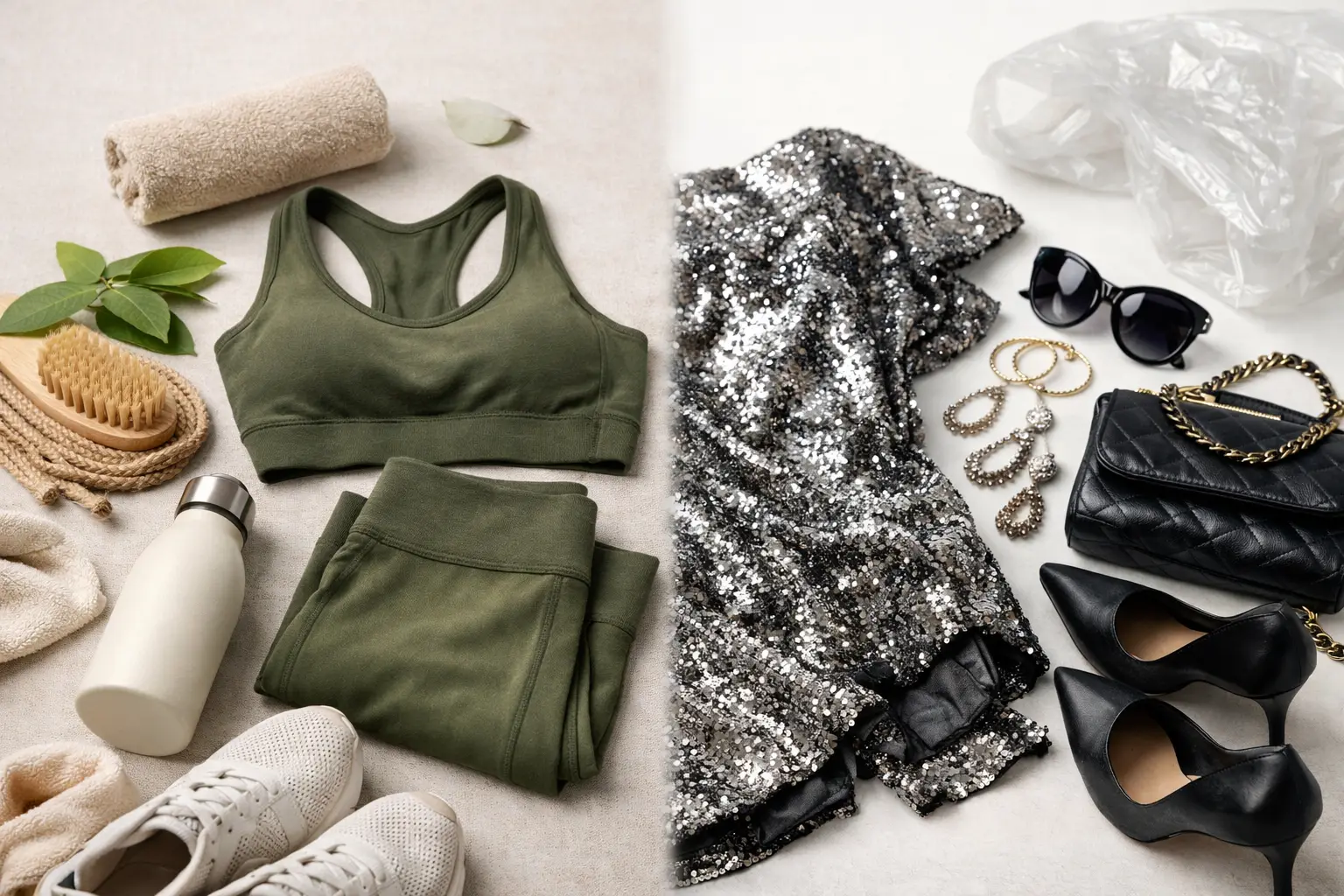
You notice it halfway through a run. The leggings are slipping, the top is trapping sweat, and the seam that felt fine in the changing room is now rubbing with every stride. That is where ethical activewear vs fast fashion stops being a nice idea and becomes a practical decision. If your kit cannot keep up, it does not matter how cheap it looked at checkout.
For runners, clothing is not just clothing. It affects comfort, confidence, visibility, and whether you head back out tomorrow. Fast fashion has trained people to expect low prices and constant newness, but running gear plays by different rules. When performance matters, disposable design quickly shows its limits.
What ethical activewear vs fast fashion really means
The simplest difference is this: fast fashion is built for speed of sale, while ethical activewear is built with more thought about how it is made, who makes it, and how long it will last.
Fast fashion brands tend to chase trends, produce in high volumes, and keep prices low by squeezing materials, labour, or both. In sportswear, that often leads to fabrics that lose shape quickly, poor stitching, and a steady cycle of replacing items that should have lasted far longer.
Ethical activewear takes a different route. It usually focuses on responsible materials, fairer production standards, and product durability. That does not mean every ethical brand is perfect, or that every lower-priced item is automatically poor quality. It does mean the priorities are different. Instead of asking, “How cheaply can we make this?” the better question becomes, “Will this still do its job after repeated runs, washes, and early starts?”
That shift matters because sportswear sits in a high-use category. Running tops, socks, tights, layers, and accessories are exposed to sweat, friction, weather, and frequent washing. If they are not designed for that reality, they become waste far too quickly.
Why fast fashion struggles in running kit
A cheap fashion tee and a technical running top may look similar on a hanger, but they behave very differently once you are moving. Running demands breathability, stability, and comfort over time. That means fabric choice, seam placement, fit, and finish all matter.
Fast fashion sportswear often gets the appearance right before the function. It may borrow the look of performance gear without delivering the details that runners actually need. The result is familiar – tops that cling in the wrong places, waistbands that twist, reflective details that are barely visible, and accessories that feel like afterthoughts.
There is also the question of durability. If a garment pills, stretches out, or loses support after a handful of washes, the low price becomes less convincing. Replacing two or three cheap items can easily cost more than buying one dependable piece in the first place.
For runners trying to build a practical wardrobe, churn is the enemy. You do not need ten versions of the same thing. You need a smaller number of pieces that work hard, wash well, and keep turning up for you.
Ethical activewear is not just about morals
It is easy to frame ethical activewear as a purely values-led choice, but that misses half the point. Yes, it matters how products are made. It matters whether workers are treated fairly and whether materials are sourced with some care for the environmental cost. But for active people, ethics and performance are connected.
A brand that thinks seriously about longevity is more likely to pay attention to practical design. A brand that rejects throwaway consumption is more likely to focus on function over gimmicks. That is good news for runners who want gear that earns its place.
This is where ethical activewear often outperforms fast fashion. The goal is not endless novelty. The goal is gear you can trust on a wet morning, a dark evening, or a long run when small annoyances become big ones.
That said, ethical activewear is not a magic label. Some brands charge premium prices without offering much more than polished messaging. Others make sincere efforts but still have gaps in transparency or product range. The smart move is to look past the headline and assess what you are really getting.
How to spot better choices
If you are weighing ethical activewear vs fast fashion, start with what matters most to your actual routine. A runner does not need a massive wardrobe. You need pieces that solve problems.
Look first at durability. Are the fabrics designed for repeated wear and washing? Do the seams look strong? Is the fit stable enough for movement? Then look at purpose. Does the item help with breathability, layering, comfort, visibility, or chafe prevention? If not, it may just be activewear in appearance rather than in use.
Next, check whether the brand says anything meaningful about production. Vague claims about being green are not enough. Responsible brands usually speak clearly about materials, manufacturing standards, and the idea of buying less but buying better.
Price needs context too. Ethical activewear can cost more upfront, but the better comparison is cost per wear. If a top lasts for two years of regular running, it is often the better buy than one that is headed for the back of the drawer after a month.
A good rule is simple: buy for the run you actually do, not the version of yourself that marketing is trying to sell you.
The affordability question
This is where many shoppers hesitate, and fairly so. Not everyone can spend heavily on sportswear, and active living should not be reserved for people with luxury budgets. Ethical shopping advice can sometimes ignore that reality.
But the choice is not always between expensive sustainable gear and cheap fast fashion. There is a middle ground. Some brands are proving that ethical production, durability, and practical pricing can sit together. That matters because affordability is part of sustainability. If better products are out of reach, people will keep being pushed towards disposable ones.
It also helps to think in terms of a kit system rather than impulse buys. A dependable running wardrobe can be built gradually – one solid base layer, one reliable pair of tights or shorts, one weather-ready outer layer, and accessories that improve safety and comfort. When each item has a clear job, you waste less money and end up with less clutter.
For many runners, that approach feels better in every sense. Fewer bad purchases. Fewer compromises on comfort. Less guilt about what ends up in the bin.
For runners, accessories count too
The ethical activewear vs fast fashion conversation should not stop at tops and leggings. Accessories are often where disposable habits hide in plain sight.
Think about low-quality lights that fail when visibility matters most, reflective gear that does not sit properly, or laces that constantly need replacing. These may seem like small purchases, but they add up in cost and waste. More importantly, they affect the running experience in ways that are immediate. A rechargeable light that performs consistently or a practical anti-chafe solution you actually trust is not a minor upgrade. It can be the difference between a smooth run and one cut short.
This is where a function-first brand earns credibility. Runners do not need novelty accessories. They need gear that solves real problems and keeps doing so.
Buying less can still mean performing better
Fast fashion relies on the idea that more is better – more drops, more trends, more reasons to replace what you already own. For runners, that logic falls apart quickly. The strongest kit choices are usually the least dramatic ones.
A well-made running top in regular rotation is better than three that never quite feel right. A durable reflective layer is worth more than a fashionable one that offers poor visibility. A practical, ethically made accessory that survives season after season beats a string of cheap replacements.
There is freedom in that. When your gear is dependable, you spend less time second-guessing purchases and more time focusing on your training, your consistency, and how you feel.
For a brand like 4R, that is the whole point. Performance and principles do not need to be in conflict. Runners should not have to choose between gear that works and values they can stand behind.
So which one wins?
If your priority is the lowest possible upfront price and you are happy to replace items often, fast fashion will always look tempting. But if you care about comfort, reliability, waste, and long-term value, ethical activewear is the stronger choice.
Not because it is trendy to say so. Because running exposes weak products quickly.
The best kit is not the loudest, cheapest, or newest. It is the gear that helps you move well, lasts longer than expected, and aligns with the kind of life you are trying to build. Buy with that standard, and your wardrobe gets simpler, your runs get better, and your choices start pulling in the same direction.