
Blog
How to Replace Fast Fashion Activewear

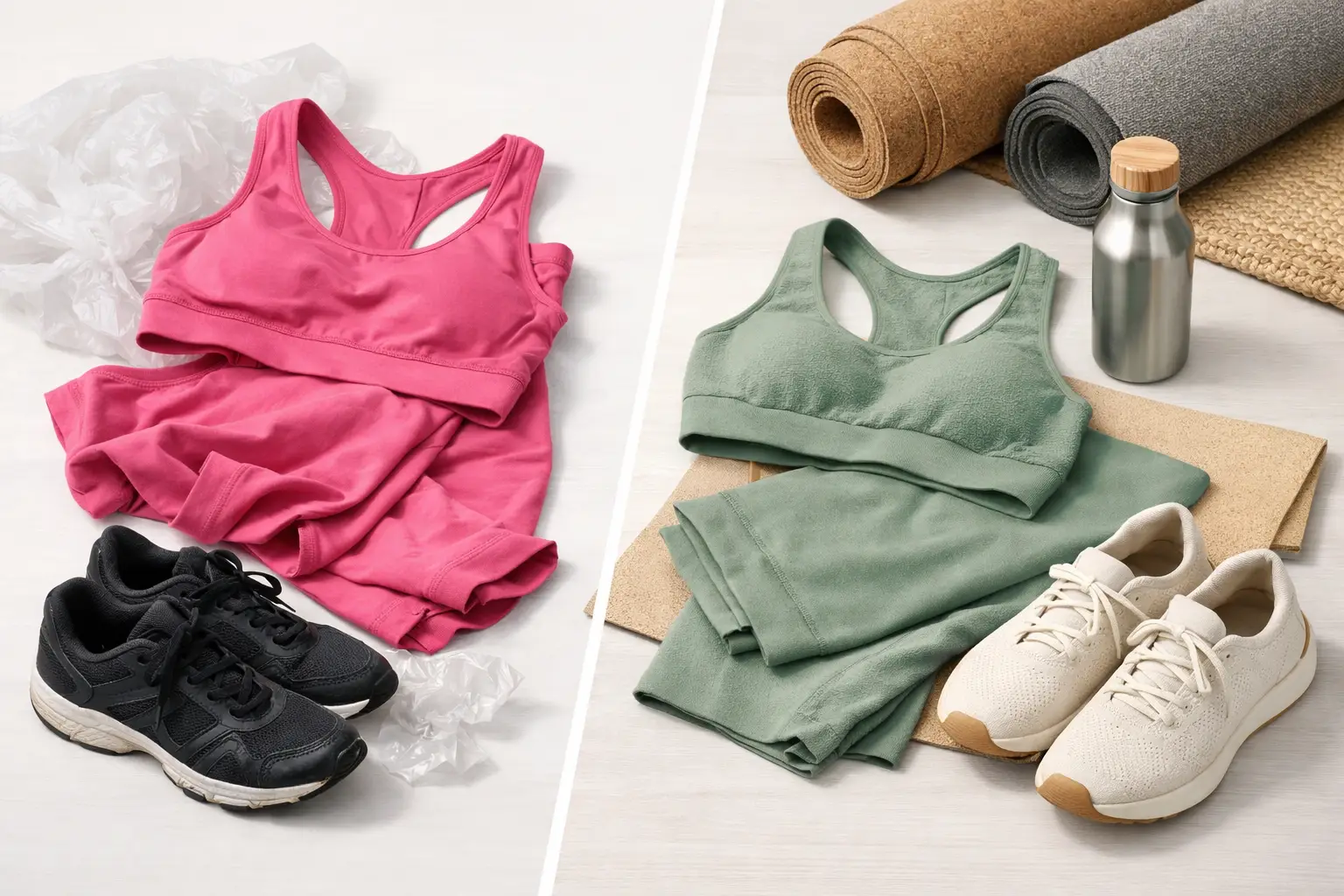
That cheap pair of leggings or running tops can look like a win at checkout, then lose its shape, trap odour and start fraying within a few weeks. If you are figuring out how to replace fast fashion activewear, the goal is not to build a perfect eco wardrobe overnight. It is to stop buying kit that lets you down and start choosing gear that earns its place run after run.
For runners, this matters more than most brands admit. Activewear is not just about looks. It sits against your skin when you are sweating, moving, stretching and dealing with changing weather. When the fabric is poor, the fit is off or the seams start rubbing, you feel it straight away. Fast fashion turns performance gear into a disposable purchase. That is bad for your wallet, frustrating for training and wasteful by design.
Why fast fashion activewear keeps failing
Fast fashion activewear is built for quick sale, not long-term use. That usually means lower-grade fabrics, weaker stitching, trend-led designs and very little thought about how the item will perform after repeated washes. It may look the part on day one, but running exposes every shortcut.
You see it in waistbands that twist, tops that go see-through when stretched and synthetic fabrics that cling in all the wrong ways. You also see it in the buying cycle it creates. One poor pair of shorts leads to another quick replacement, then another. Cheap becomes expensive when you keep buying the same item three times a year.
There is also the ethics question. Fast fashion depends on volume. More drops, more trend pieces, more short-life products. If you care about training well and living by your values, that model is hard to justify. Performance should not come at the cost of waste.
How to replace fast fashion activewear without replacing everything
The smartest way to make the switch is slowly and with purpose. You do not need to bin your whole drawer and start from zero. Use what you already own for as long as it performs properly, then replace items one category at a time.
Start with the pieces that affect comfort most. For most runners, that means leggings or shorts, tops, sports bras and socks. If one of these regularly causes chafing, overheating, slipping or irritation, move it to the top of the list. Sustainability is not about keeping gear that makes every run worse. It is about buying less badly and buying better when you do need something new.
A good rule is simple – replace at the point of failure, not the point of boredom. If a jacket still performs, keep wearing it. If your running top holds moisture, smells after one use and has stretched out of shape, that is a sensible place to upgrade.
What to look for instead of fast fashion
If you want to know how to replace fast fashion activewear well, pay less attention to trends and more attention to use. Good running kit should work hard, wash well and last through repeated training.
Fabric matters, but not in a simplistic way. Recycled materials can be a strong choice, but recycled does not automatically mean durable. Virgin materials are not automatically better either. What matters is whether the fabric has been chosen for repeated movement, breathability and shape retention. Look for activewear that explains what the material is for, not just what it is made from.
Construction matters just as much. Flat seams, secure waistbands, supportive stretch and well-finished hems all make a difference over time. So does practical design. Reflective details, secure pockets and layers that work across seasons give you more use from fewer items.
Then there is versatility. The best alternative to fast fashion is not an endless collection of specialist pieces. It is a smaller kit rotation where each item does more. A long-sleeve top that works for cool morning runs, gym sessions and weekend walks is worth far more than a trendy piece you wear twice.
Buy for your actual training life
A lot of waste starts with fantasy shopping. People buy activewear for the athlete they imagine they will become, not the runner they are right now. That is how drawers fill up with barely worn race vests, bright trend sets and fabrics that do not suit local weather.
Be honest about what you need. If you run three times a week in mixed weather, build around that. If you train before sunrise, visibility might matter as much as fabric feel. If you struggle with rubbing on longer efforts, accessories that prevent discomfort can be a better investment than another top.
The point is not to own less for the sake of it. The point is to own the right things.
Build a smaller, stronger activewear rotation
Most runners do not need dozens of outfits. They need a reliable system. That usually means enough kit to cover your weekly training, plus one spare option while something is in the wash.
A practical rotation might include two to three running tops for the season, two bottoms that fit properly, one dependable outer layer, supportive underwear or sports bras, and a few high-quality accessories that solve real problems. When every piece has a job, you wear everything more often and spot gaps more clearly.
This is where durability starts saving money. A well-made item with consistent fit and performance often beats two or three cheaper replacements. It also reduces decision fatigue. You know what works, so you reach for it and get out the door.
For runners, accessories deserve more credit here. Reliable lights, reflective gear, anti-chafe support and simple fixes like secure laces can extend the usefulness of the clothing you already own. Replacing fast fashion activewear is not only about garments. It is also about building a kit setup that supports safer, more comfortable running with less waste.
Price matters, but cost per wear matters more
The biggest reason people stick with fast fashion is obvious – the upfront price looks easier. That is real. Not everyone can spend heavily on activewear in one go, and sustainable products should not be framed as a luxury badge.
But there is a difference between affordable and cheap. Cheap often means paying less today and more over six months. Affordable means buying with enough quality and purpose that the item keeps delivering. For everyday runners, that balance matters more than marketing buzzwords.
If your budget is tight, prioritise one upgrade that will improve comfort immediately. That could be shorts that do not ride up, a top that breathes properly or reflective kit that makes winter running safer. Then build gradually. A values-led wardrobe is not created in a single order.
Questions worth asking before you buy
Before adding any new piece, pause for a minute. Will you wear it at least once a week in season? Does it solve a problem your current kit cannot solve? Can it work with what you already own? Will the fabric and construction stand up to repeated washing and movement?
If the answer is mostly no, it is probably another short-term purchase dressed up as motivation.
How to spot a better brand
Not every brand using the word sustainable is doing the work. Some simply swap the messaging while keeping the same churn-heavy model. So look beyond slogans.
A better brand is usually clear about durability, materials and production standards. It does not pressure you into constant newness. It designs practical products that can stay in use, season after season. It also understands that performance and responsibility have to go together. Runners should not have to choose between gear that works and gear that aligns with their values.
That is the difference a focused brand can make. 4R, for example, is built around the idea that runners need dependable kit, not disposable hype. That means practical gear, ethical production and products designed to last, without pushing you towards overconsumption.
How to replace fast fashion activewear and stick with it
The hard part is not making one better purchase. It is changing the habit. Fast fashion trains people to solve every gear problem with another quick buy. A more sustainable approach asks you to slow down, notice what actually works and trust repeat use over novelty.
That takes a bit more discipline, but it is worth it. Your runs feel better when your kit is reliable. Your wardrobe gets easier to manage when every item earns its place. And your money goes further when you stop feeding a cycle designed around replacement.
You do not need a massive collection to train well. You need clothing and accessories that support movement, comfort and consistency. Start with one weak point in your current setup, replace it with something built to last, and let that be the standard from now on.