

Blog
How to Select No Tie Laces for Running Shoes

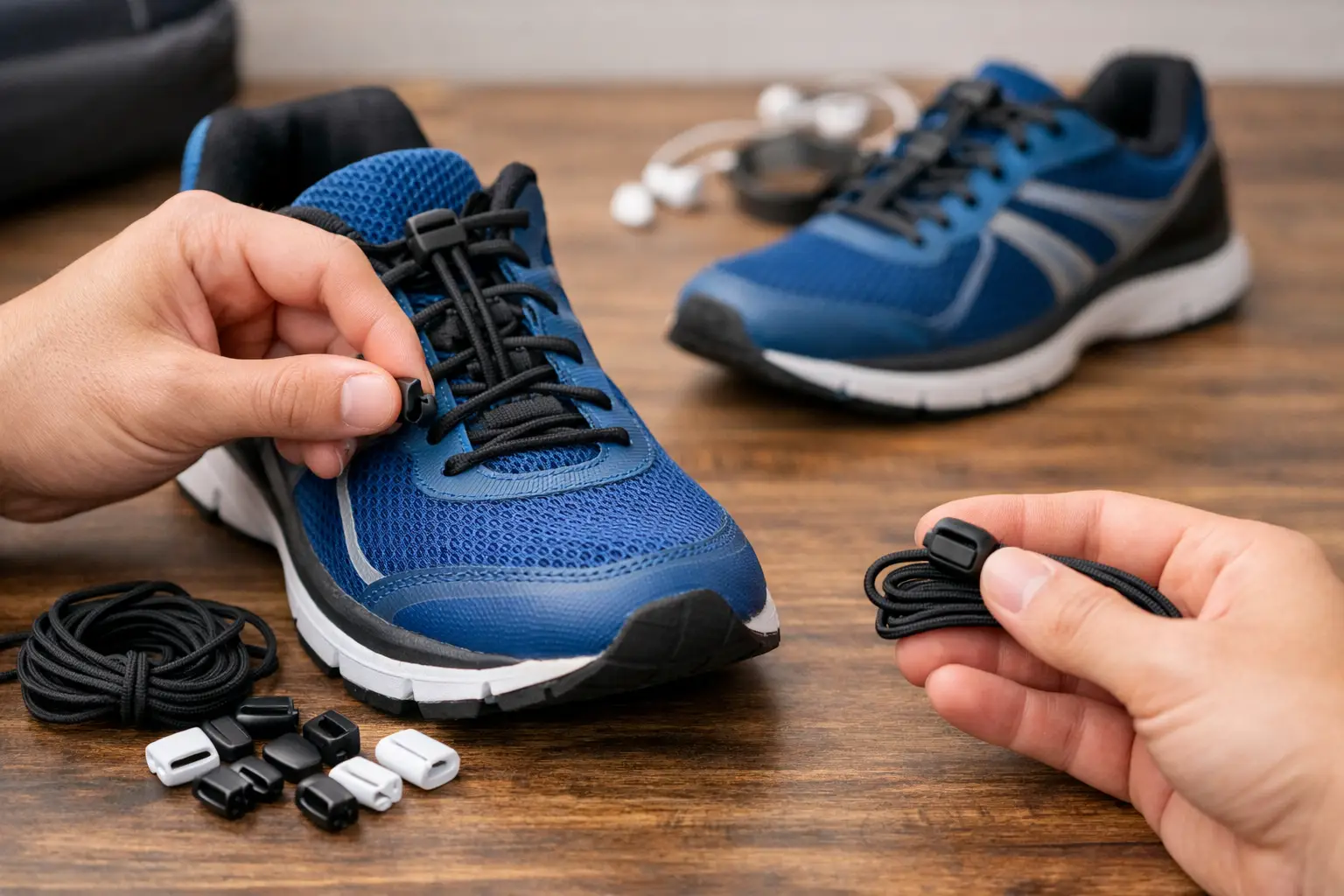
A lace coming loose at kilometre five is a small problem that can ruin a good run. Stopping breaks your rhythm, double-knotting can create pressure across the top of your foot, and loose loops are one more thing to catch on wet ground or trail debris. Knowing how to select no tie laces means choosing a simple piece of kit that keeps your shoes secure without making them feel restrictive.
For runners, the best choice is rarely the tightest elastic lace or the flashiest locking system. It is the one that holds your heel comfortably, gives your toes room to move, and stays dependable through training, races, walks and everyday wear.
Start with the fit of your running shoes
No tie laces improve the fit you already have. They cannot rescue a running shoe that is too small, too narrow, or sliding badly at the heel. Start with shoes that leave roughly a thumb’s width between your longest toe and the front, with enough room in the toe box for natural swelling on longer runs.
Then pay attention to where your current laces cause trouble. If you regularly feel numbness across the top of your foot, a more forgiving elastic lace may help. If your heel lifts on hills or during faster sessions, you need a lace system with enough tension and a secure lock. The aim is a connected feel, not a squeezed one.
Elastic laces should hold your foot in place while allowing small changes in volume. Feet swell as they warm up, especially during long runs and in warm weather. Traditional laces can be adjusted mid-run, but no tie laces trade that flexibility for consistency. Set them up carefully before committing to a long outing.
How to select no tie laces by material and stretch
Most no tie laces are made from elastic cord or flat elastic bands. Both can work well, but they feel different on the foot.
Round elastic cords are usually best for runners who want a familiar, streamlined setup. They pass easily through most eyelets and provide even give across the shoe. Look for a cord that feels substantial rather than thin and overly springy. A very stretchy cord can make a shoe easy to slip on, but it may struggle to keep the heel stable when you accelerate, corner or run downhill.
Flat elastic laces spread pressure across a wider area. They can suit runners who experience lace bite or tenderness on the top of the foot. The trade-off is that flat laces may twist, and some are less suited to tightly spaced eyelets. They are also more noticeable on lightweight racing shoes, where every part of the upper is designed for a close fit.
The right amount of stretch depends on your running. For easy runs, commuting and general gym use, moderate stretch often feels comfortable and practical. For interval sessions, trail runs and races, choose firmer elastic with controlled give. You want enough elasticity to accommodate movement, not so much that your foot shifts inside the shoe.
Avoid choosing solely based on a promise of one-size-fits-all convenience. Feet, shoes and running styles vary. Durable materials and a reliable tension system are a better investment than disposable laces that lose their shape after a few weeks.
Choose a locking system you can trust
The lock is the part that sets the tension, so it deserves more attention than the colour of the laces. Most systems use either a spring-loaded toggle, a sliding lock or a fixed clip. Each has a place.
A spring-loaded toggle is quick to adjust and works well for runners who wear the same shoes for different activities. You may prefer a slightly looser fit for a recovery walk, then tighten it for a tempo session. Check that the button is easy to press but not so loose that it releases when brushed by clothing or trail vegetation.
Sliding locks are compact and often create a cleaner finish. They are useful if you want to set the laces once and forget about them. Before cutting any excess cord, wear the shoes around the house, walk downstairs, jog lightly and make a few sharp changes of direction. A setup that feels fine standing still can feel completely different once your foot is moving.
Fixed clip systems tend to offer a very tidy result, but they leave less room for adjustment. They are a good option for shoes you use in one consistent way, such as daily trainers for short road runs. If you rotate shoes or your feet swell noticeably, an adjustable lock gives you more control.
Whichever system you choose, make sure the lock sits where it will not press into the top of your foot. On some shoes, placing it slightly to one side is more comfortable than centring it over the tongue.
Get the length right before you trim
Many no tie laces are deliberately long so they fit a wide range of shoes. That is useful, but cutting them too early is one of the most common mistakes. Lace both shoes fully, set the tension and test the fit before removing any excess.
Your shoe should feel secure at the heel and midfoot, with no pinching at the forefoot. Try a few calf raises, a gentle jog and several steps downhill if possible. Downhill movement is especially revealing because your foot naturally slides forward. If your toes bump the front or your heel lifts, adjust the tension and retest.
When you are happy, leave a little extra length beyond the lock. This gives you room for seasonal changes, thicker socks or minor adjustments later. Follow the fastening instructions carefully so the ends cannot work loose. A dangling cord can catch, while a badly finished end can irritate your foot or damage the shoe upper.
Match your laces to the way you run
Your running surface and routine should influence the choice. Road runners often value a low-profile lock that stays out of the way and keeps tension even through repeated strides. Trail runners should prioritise a secure locking mechanism and tougher cord, particularly if mud, water and uneven ground are part of the plan.
If you wear orthotics, have a high instep or manage recurring foot sensitivity, take extra care with tension. Elastic laces can reduce pressure, but only when they are adjusted with restraint. Start looser than you think you need, then tighten in small increments. Persistent numbness, tingling or pain is not a sign that you need to push through. It is a sign to reassess your footwear and, where needed, seek advice from a qualified professional.
No tie laces are also a practical choice beyond running. They make getting out the door easier before an early session, simplify transitions in triathlon training, and help keep everyday trainers ready for walks or gym work. That cross-functional use matters. Gear that serves more than one purpose is gear you are more likely to keep using, rather than replacing on a whim.
Check durability, not just the first fit
A good set of no tie laces should retain its stretch and locking strength over time. Inspect them after wet runs, muddy sessions and regular washing. Look for fraying, cracks in plastic locks, slipping tension or cord that has become thin and uneven.
You do not need to replace laces at the first sign of dirt. Rinse away mud, let them air dry and check that the lock still grips properly. Replacing only when performance has genuinely declined helps cut unnecessary waste and keeps your kit working harder for longer.
At 4R, that practical approach matters: dependable running essentials should support your goals without feeding the cycle of throwaway sportswear. Choose laces made to stay in rotation, not an accessory that becomes rubbish after a handful of runs.
A quick fit test before race day
Do not debut a new no tie lace setup on race morning. Fit them at least a few runs in advance, ideally including one session at your planned race pace. Notice whether the shoe feels different once your feet are warm, whether the lock rubs against the tongue, and whether you can get the shoe on and off without fighting the elastic.
You should be able to run naturally without thinking about your laces. That is the standard. The best no tie laces disappear into the background while your shoes stay secure, your stride stays free and your focus stays where it belongs – on the road, the trail and the next good run.