

Blog
How to Wash Running Gear Properly

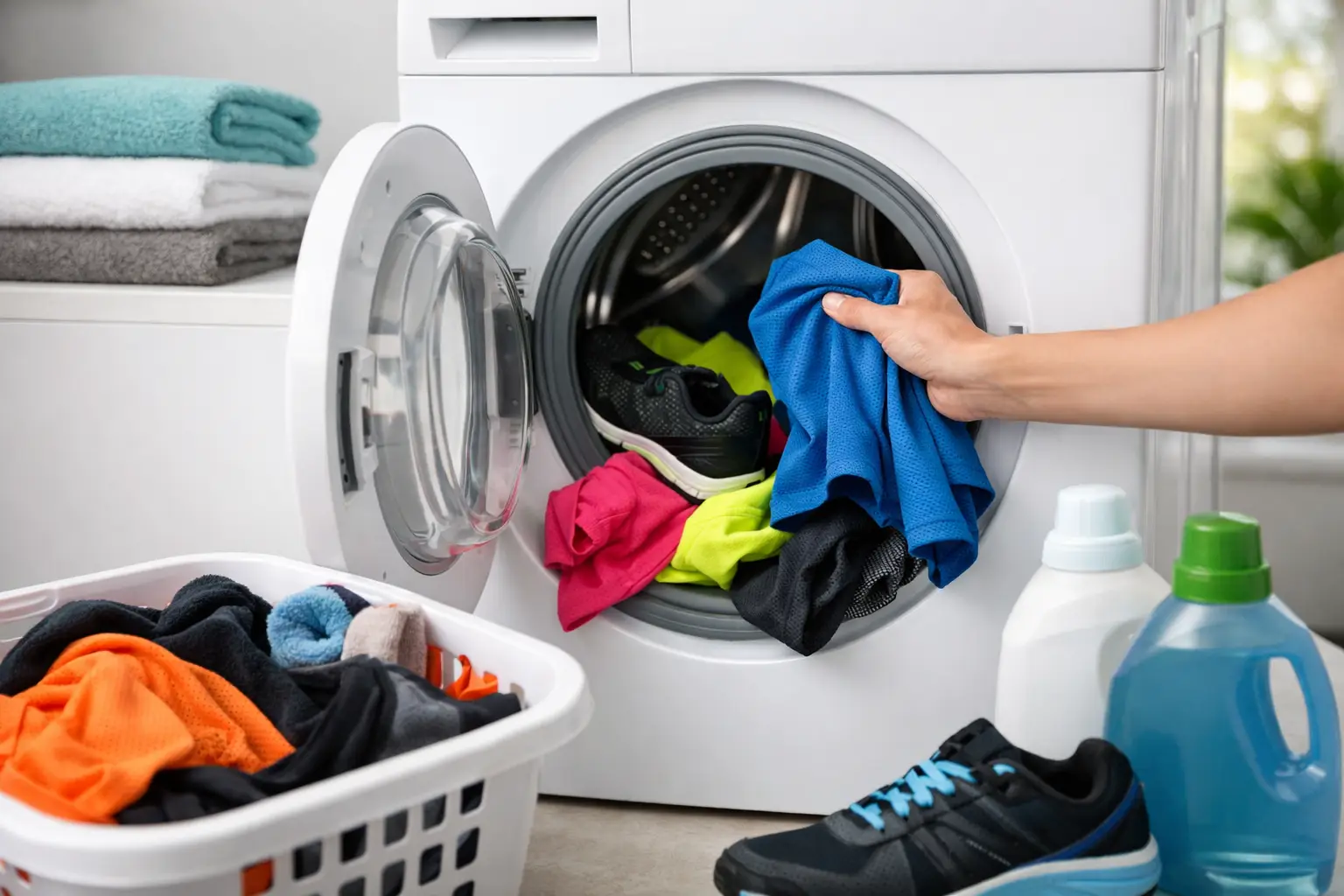
That sour smell clinging to your favourite running top after it has already been washed is not your washing machine failing you. It is usually a sign that sweat, detergent build-up, and heat have been working against the fabric for weeks. If you are wondering how to wash running gear properly, the goal is simple: keep performance kit doing its job for longer without treating it like disposable fashion.
Running gear works hard. It stretches, wicks sweat, manages heat, and puts up with rain, friction, sun cream, body oils, and whatever your last tempo session threw at it. Wash it badly and you do not just risk odour. You shorten the life of the fabric, flatten elasticity, damage reflective details, and turn technical kit into ordinary clothes with a higher price tag.
Why washing running gear properly matters
Good kit should last. That is better for your wallet and better for the planet. If you buy running clothing because you care about performance and sustainability, then laundry habits matter more than most runners realise.
Technical fabrics are designed to move moisture away from the skin and dry quickly. They do not respond well to the same treatment as cotton tees, towels, or heavy joggers. High heat, aggressive detergent, and fabric conditioner can all interfere with how the fibres perform. Even if the damage is gradual, you will feel it on the run – clingier fabric, trapped sweat, stale smells, and seams that lose their shape sooner than they should.
There is also the hygiene side. Sweat itself is mostly odourless. The smell comes when bacteria settle into damp fabric and detergent residue gives them something to hold onto. So if your gear still smells after a wash, the answer is not always more detergent. Quite often, it is less.
How to wash running gear properly from the start
The best time to protect your kit is before it even hits the wash basket. Letting damp gear sit in a heap all day is the fastest route to stubborn odours and mildew.
After your run, hang your clothing up to air out if you are not washing it straight away. That one small habit makes a real difference. A soaked base layer stuffed into a gym bag or left on the floor is far more likely to hold onto smells, especially in warmer weather.
When it is time to wash, turn tops, leggings, shorts, and sports bras inside out. That helps sweat, oils, and deodorant residue wash out more effectively, while also protecting the outer surface from friction. If your gear has zips, fasten them. If it has reflective trims or printed details, this step matters even more.
It also helps to separate running kit from heavier items. Washing technical clothing with towels or denim is rough on lightweight fabrics. The load becomes more abrasive, and delicate fibres can pill or stretch more quickly.
Check the care label, but use some judgement
The care label matters, especially for blended fabrics or pieces with bonded seams, waterproof finishes, or compression panels. But labels are only the starting point. Two tops may both say machine wash at 30C, yet one can still wear out faster if you wash it with rougher items or use the wrong detergent.
Think of laundry as part of gear maintenance, not just cleaning. The label tells you the limit. Good habits help your kit last within it.
The right wash settings for running kit
In most cases, cool or lukewarm water is the safest choice. Around 30C is enough for regular post-run washing and far less harsh on technical fibres than a hotter cycle. Heat can break down elastane over time, which means waistbands loosen, socks lose support, and fitted tops stop recovering their shape.
Choose a gentle or synthetic cycle if your machine has one. You do not need a heavy-duty wash for sweaty running clothing. A shorter, less aggressive cycle is usually enough, provided you are not overloading the drum.
Detergent is where many runners overdo it. Use a small amount of liquid detergent rather than a large dose. More soap does not mean cleaner kit. It often means residue trapped in the fabric, which can lock in odours and reduce breathability. Powder can work, but it is more likely to leave deposits if it does not dissolve fully, especially in cooler washes.
Fabric conditioner is the big one to avoid. It coats fibres to make them feel soft, which sounds harmless until you remember that running gear is meant to wick moisture. That coating can interfere with performance and trap smells. Soft for five minutes, less effective for months – not a great trade.
What about heavily soiled or very smelly gear?
If your kit is muddy from trail running, rinse off the worst of the dirt first. That stops grit from grinding into the fabric during the wash. For gear with persistent odour, an occasional pre-soak can help, but keep it simple and avoid harsh products. The aim is to lift residue without punishing the fibres.
If you sweat heavily or train most days, it may also help to wash your kit in smaller loads. Packing too much into one wash stops water and detergent moving freely through the fabric.
Drying matters just as much as washing
A good wash can be undone by bad drying. Tumble dryers are one of the quickest ways to age technical running gear before its time. High heat is tough on stretch fabrics, adhesives, waistbands, and printed details. It can also shorten the life of reflective elements, which is not ideal if you run in low light.
Air drying is the safer option. Hang kit indoors or outside in the shade if the weather allows. Most running clothing dries quickly anyway, which is one of the benefits you paid for in the first place.
Try not to dry technical gear directly on a hot radiator. A little warmth in the room is fine, but intense direct heat is not much kinder than a tumble dryer. If you can, reshape the garment while damp and let it dry naturally.
How to wash running gear properly without ruining accessories
Running gear is not only tops and shorts. Hats, reflective straps, chest lights, elastic laces, and belts all need a bit of thought. Soft accessories like hats or lightweight belts often do best with a gentle hand wash or a protective laundry bag. Anything with electronics, batteries, or charging ports should never go in the machine unless the maker clearly says it can.
Sweat and grime still build up on these items, so wipe them down regularly and let them dry fully before storing them. Reliability matters most when conditions are poor, and neglected accessories tend to fail when you need them most.
Common mistakes runners make
The most common mistake is waiting too long. You do not always need to wash every outer layer after a very light session, but anything soaked in sweat should not sit around. The second mistake is using standard laundry habits for specialist clothing. Towels, hot washes, conditioner, and high heat are fine for some household items. They are a poor match for performance kit.
Another easy trap is treating odour as proof that the garment is finished. Sometimes it is. More often, the fabric has simply built up residue over time and needs gentler, smarter care going forward. If you bought durable gear, it deserves a fair chance before being replaced.
There is also a sustainability point here. Washing less aggressively, drying naturally, and avoiding unnecessary replacement all reduce waste. That lines up with a better kind of running wardrobe – fewer pieces, better chosen, used properly, and kept in action for longer.
A practical routine that actually works
If you want the simplest version of how to wash running gear properly, keep this rhythm. Air your kit out straight after the run. Wash at 30C with similar lightweight items. Use a small amount of liquid detergent. Skip fabric conditioner. Air dry. Repeat.
That routine will cover most runners, most of the time. If your training volume is high, your climate is humid, or your kit includes more specialised fabrics, you may need to adjust slightly. But the basics stay the same: less heat, less residue, less rough treatment.
Good running gear should help you go again tomorrow, not let you down because of today’s laundry. Look after it properly and it will stay fresher, fit better, and keep doing the job it was made to do. A few smarter wash habits now can save you replacing perfectly good kit long before you should.