

Blog
Best Anti Chafing Prevention Tips for Athletes and Active Individuals


Chafing happens when skin repeatedly rubs against skin or fabric, causing irritation, redness, and discomfort that can interfere with your daily activities. Whether you’re running a marathon, walking in warm weather, or simply going about your day, this common problem affects people of all body types and activity levels.
The most effective way to prevent chafing is to reduce friction through a combination of proper clothing choices, keeping skin dry, and using protective products. These strategies work together to create a barrier between surfaces that would otherwise rub together and cause irritation.
You’ll learn what actually causes chafing to occur, why certain areas of your body are more susceptible than others, and the specific steps you can take to stop it before it starts. This article provides practical solutions backed by expert recommendations that you can implement immediately.
Understanding Chafing and Its Causes
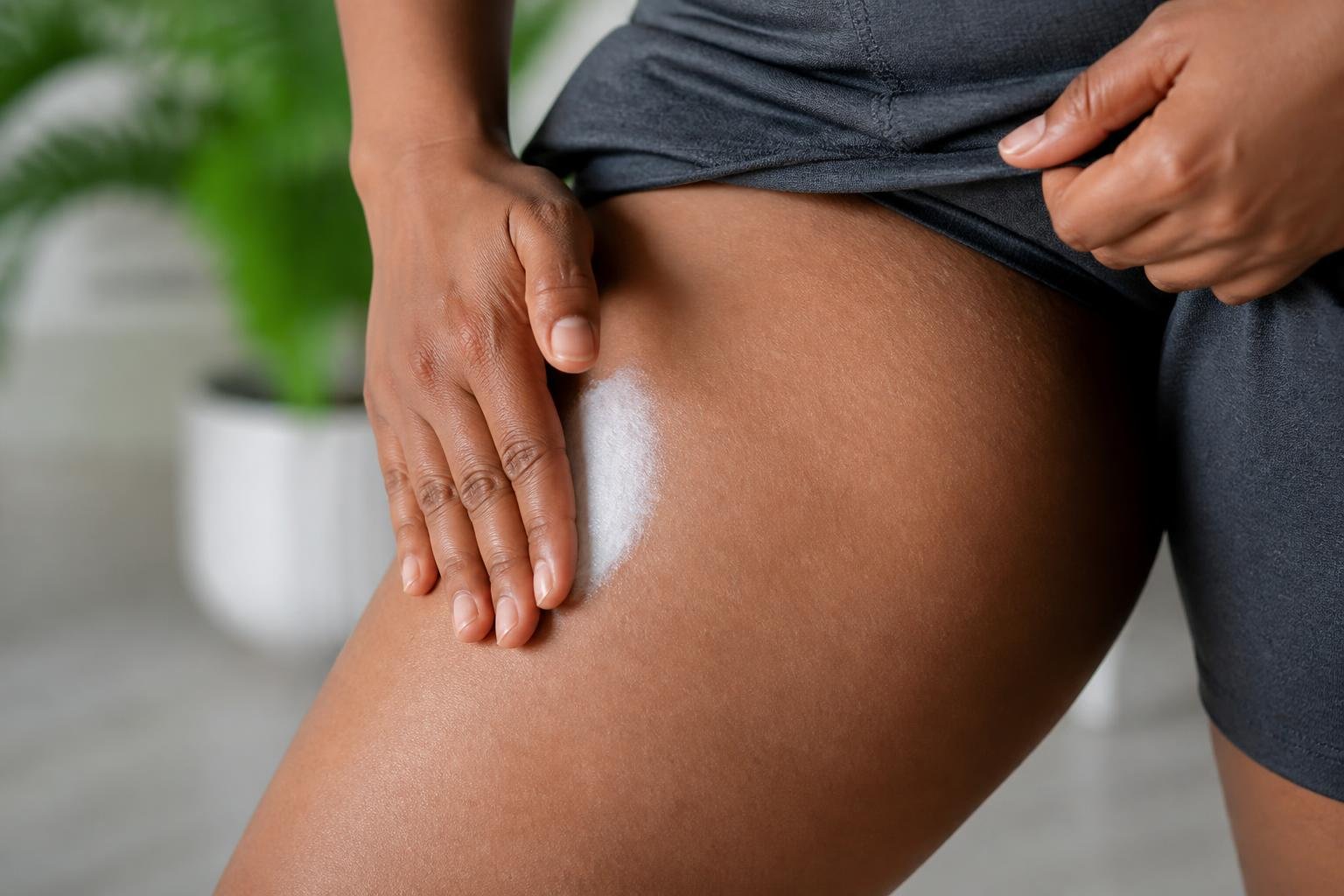
Chafing develops when friction, moisture, and heat combine to irritate your skin’s outer layer. The intensity varies based on activity level, body composition, and environmental conditions.
Common Triggers and Risk Factors
Repetitive motion is the primary cause of chafing. Running, walking, cycling, and other activities create continuous skin-to-skin or skin-to-fabric contact that breaks down your skin’s protective barrier.
Moisture amplifies friction significantly. Sweat, humidity, rain, or wet clothing soften your skin and increase the drag coefficient between surfaces. This explains why chafing worsens during summer months or intense workouts.
Certain situations increase your vulnerability:
- Ill-fitting clothing with seams, tags, or rough fabric textures
- Hot and humid weather that promotes excessive sweating
- Extended physical activity beyond your typical duration
- Areas where skin folds naturally such as inner thighs, underarms, or beneath breasts
- Excess weight creating additional skin-to-skin contact points
Saltwater and chlorine from ocean swimming or pools leave crystalline residue on your skin that acts as an abrasive. New clothing or equipment often contains stiffer materials before breaking in.
How Skin Type Influences Chafing
Sensitive skin experiences chafing more readily due to a thinner or more reactive protective barrier. You may notice redness and irritation faster than others during the same activities.
Dry skin lacks adequate natural oils that normally reduce friction. Without this lubricating layer, your skin faces increased drag during movement. Oily or sweaty skin seems like it would prevent chafing, but excessive moisture actually weakens the skin’s structure and increases friction coefficients.
Your skin’s thickness and elasticity matter considerably. Thinner skin in areas like the neck or inner arms chafes more quickly than thicker skin on your palms or feet. Individuals with conditions like eczema or psoriasis face heightened risk since their skin barrier is already compromised.
Proven Strategies to Minimize Friction
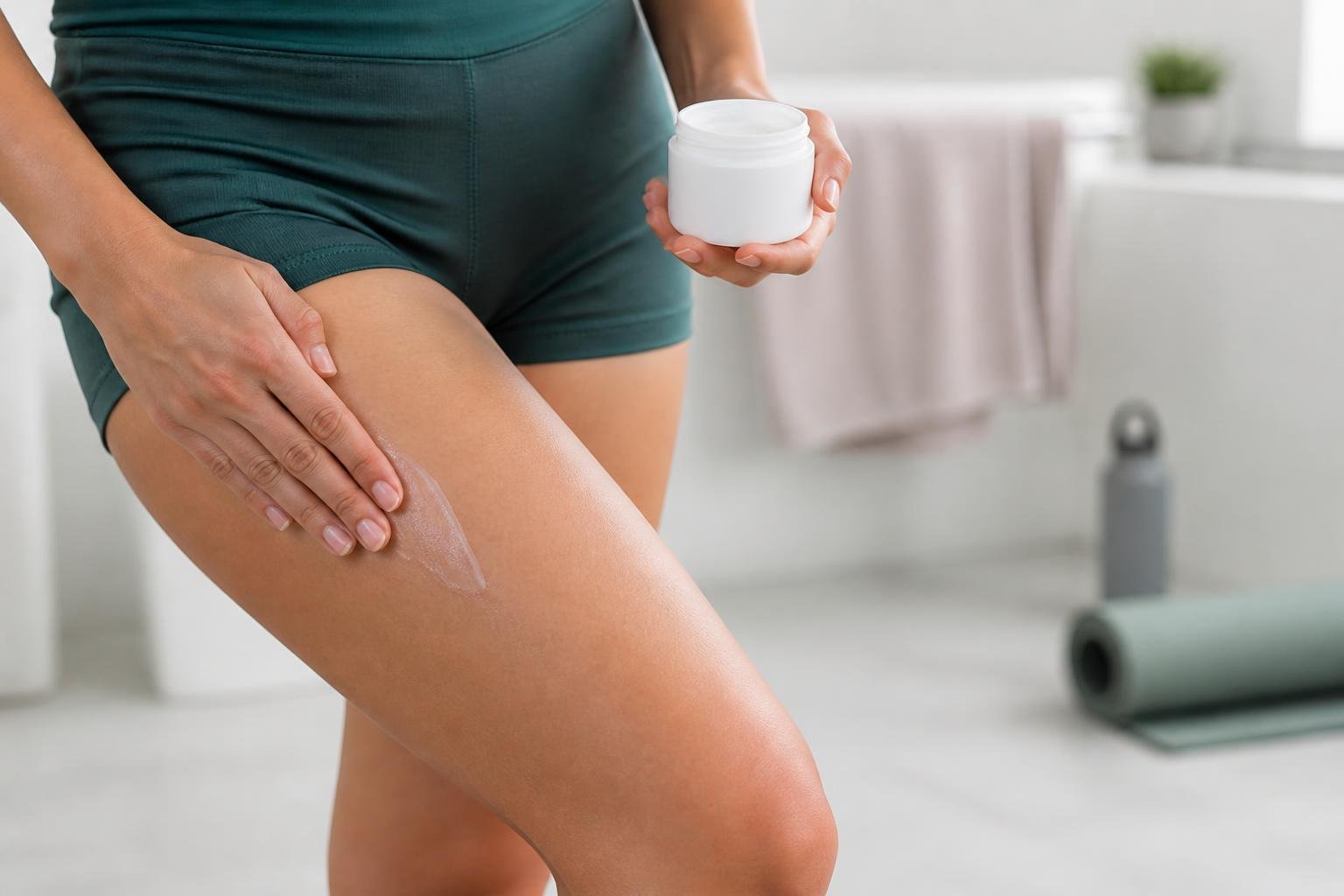
Reducing friction requires selecting appropriate clothing materials, applying protective products correctly, and managing moisture levels throughout physical activity.
Choosing the Right Clothing Fabrics
Moisture-wicking synthetic fabrics form your first line of defense against chafing. These materials pull sweat away from your skin surface, unlike cotton which absorbs moisture and creates a wet environment that increases friction.
Look for polyester, nylon, or merino wool when selecting athletic wear. These fabrics maintain their shape during movement and dry quickly. Avoid seams in high-friction areas like the inner thighs and underarms, or choose flatlock seams that lie flat against your skin.
Key fabric features to prioritize:
- Moisture-wicking properties
- Four-way stretch capability
- Seamless or flatlock construction
- Quick-dry technology
- Soft, smooth texture
Fitted clothing prevents excess fabric from bunching and rubbing. Compression shorts, fitted underwear, and properly sized athletic wear stay in place during activity. Loose garments create additional friction points as material moves against your skin.
Using Barrier Products Effectively
Anti-chafing products create a protective layer between skin surfaces or between skin and fabric. Apply these products before you start any activity, not after irritation develops.
Petroleum jelly remains an affordable and accessible option for most athletes. Body glide balms offer longer-lasting protection and less mess. Powders work well for absorbing moisture but require reapplication more frequently.
Application guidelines:
- Clean and dry the target area completely
- Apply generously to chafe-prone zones
- Reapply every 2-3 hours during extended activity
- Focus on inner thighs, underarms, and nipples
Different product forms suit different needs. Balms and sticks provide concentrated protection for small areas. Creams spread easily over larger surfaces. Powders help maintain dryness in areas that accumulate sweat.
Importance of Staying Dry During Activity
Moisture amplifies friction by softening your skin and removing its natural protective barrier. Managing sweat and external moisture prevents the conditions where chafing develops.
Change out of wet clothing immediately after exercising or swimming. Damp fabric against skin accelerates irritation. Bring extra clothes for longer activities or events where you expect heavy sweating.
Use absorbent materials strategically. Moisture-wicking base layers pull sweat to outer garments where it evaporates. In high-humidity environments, consider applying antiperspirant to prone areas 24 hours before activity to reduce sweat production.
Bandages or protective tape shield already-irritated skin from additional moisture exposure. These barriers keep the affected area dry while allowing you to continue activity if necessary.