

Blog
Sustainable Running Clothes Women Will Wear

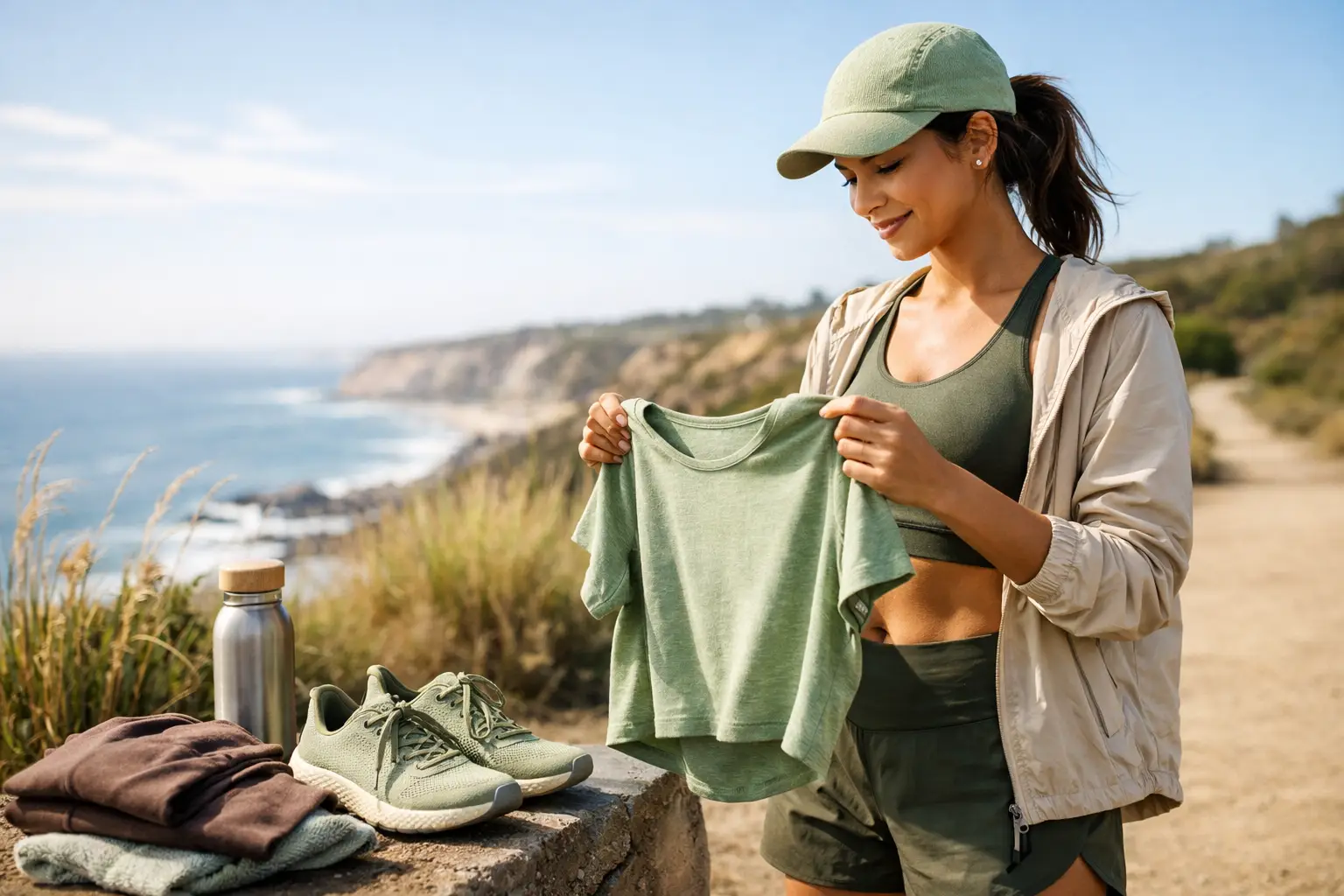
That drawer full of faded leggings, sagging sports bras and tops that lost their shape after six washes? That is exactly what many runners are trying to move away from. Sustainable running clothes women actually want to wear are not about buying a whole new identity. They are about choosing kit that performs properly, lasts longer and does less damage along the way.
For runners, that matters. You need gear that can handle sweat, movement, repeat washing and real life. If it rides up, rubs, turns see-through or falls apart after a training block, it is not a bargain. It is waste with a flattering label.
What sustainable running clothes for women should really mean
The word sustainable gets thrown around far too easily. A brand can use one recycled fabric and still build its whole business around overproduction, trend chasing and disposable quality. That is not progress. It is better marketing.
For running clothing, sustainability should mean a few things working together. The materials should reduce environmental impact where possible. The clothes should be made under decent conditions. Most importantly, they should be built to last. If a pair of shorts survives season after season, that does more good than a flimsy “eco” pair replaced three times a year.
This is where trade-offs come in. No running clothing is impact-free. Performance fabrics often rely on synthetics because they stretch, wick sweat and dry quickly. Natural fibres have their place, but they are not always the best answer for hard training. A more honest goal is lower-impact performance kit that you wear often, wash well and keep in rotation for a long time.
The fabrics worth looking for in sustainable running clothes women buy
Fabric labels can be confusing, and brands know it. You do not need a textiles degree to shop better, but it helps to know what is behind the claims.
Recycled polyester is common in running gear for good reason. It gives the sweat management and durability runners expect, while reducing reliance on virgin polyester. That does not make it perfect, but for leggings, lightweight tops and jackets, it is often a practical step in the right direction.
Recycled nylon is another strong option, especially in leggings and bras where stretch and recovery matter. It tends to feel smooth and supportive, though quality varies. A well-made recycled nylon legging can outperform a poor-quality virgin fabric every time.
You may also see elastane blended in. That is normal. Stretch is part of what makes running clothes comfortable, especially for women who want support without feeling restricted. The issue is not that a garment contains blends. The issue is whether the garment is built thoughtfully enough to justify its materials.
Merino can work well in cooler-weather layers because it regulates temperature and resists odour, but it is not always ideal for every runner or every budget. Organic cotton has value in casual activewear, warm-ups or recovery days, but for high-sweat runs it can feel heavy and slow to dry. In other words, fabric choice depends on how and where you run.
Performance still comes first
Sustainable kit that cannot handle a 5K in drizzle is not doing its job. Women runners need clothing that works under pressure, not just on a product page.
Good running leggings should stay put without constant adjusting. A decent waistband matters. So does opacity. If the fabric goes sheer under movement, it fails the test immediately. Shorts need to move freely and avoid chafing. Tops should breathe, dry quickly and sit comfortably under layers.
Sports bras deserve special attention. Support is not a luxury. It changes how a run feels and whether you can focus on your pace instead of discomfort. Sustainable options are improving, but this is one area where fit beats theory every time. If a bra is ethically made but does not support you properly, keep looking.
The same rule applies across the board. Buy less, but buy the pieces that genuinely earn their place.
How to spot quality before you buy
You can usually tell when a brand is serious about durability and when it is chasing a trend. Start with the basics. Look for clear information about fabric composition, production standards and intended use. Vague language should raise questions.
Then think like a runner. Are seams placed to reduce rubbing? Is there storage where it is actually useful? Does the brand talk about repeated wear, not just style? Is the fit designed for movement rather than social media photos? These details matter because they tell you whether the product was made for miles or made for impulse buys.
Price alone is not a reliable guide. Expensive does not always mean ethical or durable. Cheap does not always mean poor. But very low prices usually come from somewhere – rushed production, lower-grade materials or corners cut on quality control. If you are replacing a top every few months, the cheaper option often costs more in the end.
Build a smarter running wardrobe, not a bigger one
One of the easiest ways to make your running kit more sustainable is to stop treating every season as a reason to start again. Most women do not need ten pairs of leggings and a rainbow wall of crop tops. They need a dependable rotation.
A practical running wardrobe might include two or three solid pairs of leggings or shorts, a few breathable tops, one or two supportive bras that genuinely work, a lightweight outer layer and cold-weather options if you train year-round. That is enough for regular running if you wash and rotate properly.
Cross-functionality helps here. A fitted long-sleeve top that works for easy runs, strength sessions and walking is more useful than a niche piece worn twice. The same goes for layers that handle commuting, warm-ups and recovery walks. The more ways you can use an item, the more value – and less waste – it creates.
That is part of the thinking behind brands like 4R. The goal is not to flood your wardrobe. It is to give runners reliable kit and accessories they will actually use, without feeding the fast-fashion cycle.
Caring for your gear matters more than most people think
Even the best clothing will not last if it is treated badly. Sustainability is not just about what you buy. It is about how long you keep it performing.
Wash sportswear on cooler cycles when possible. Skip heavy fabric conditioner, which can affect moisture-wicking performance. Air dry instead of throwing everything in a hot tumble dryer. It takes less effort than replacing worn-out kit every few months.
It also helps to deal with small issues early. Loose stitching, stretched laces or minor wear do not always mean the item is finished. A simple repair can add months to a garment’s life. That is a far better result than sending another piece of kit to landfill because of one weak seam.
The biggest green flags from a running brand
If you are trying to choose better, look past buzzwords and look for behaviour. Brands worth your attention usually speak clearly about how their products are made, why they chose certain materials and what they are doing to reduce waste.
They also tend to avoid endless trend drops. Constant newness is a fast-fashion habit, even when wrapped in earthy language. A stronger sign is a focused range of useful, wearable products designed around real training needs.
Another good sign is practicality. Runners do not need fluff. They need gear that helps with comfort, visibility, weather and consistency. When a brand combines ethical production with everyday function, that is where sustainability starts to feel real.
Sustainable running clothes women can feel good in
There is a difference between buying “eco” activewear for the label and choosing kit that genuinely supports your running life. The first is easy to sell. The second takes more honesty.
The best sustainable running clothes for women are the ones you trust on a dark winter run, a humid summer session and a rushed morning when you need everything to just work. They fit properly. They last. They make sense for your routine, your budget and your values.
You do not need a perfect wardrobe to run more responsibly. You just need fewer throwaway decisions and more gear that earns the miles.