

Blog
Best Gear for Early Morning Runs

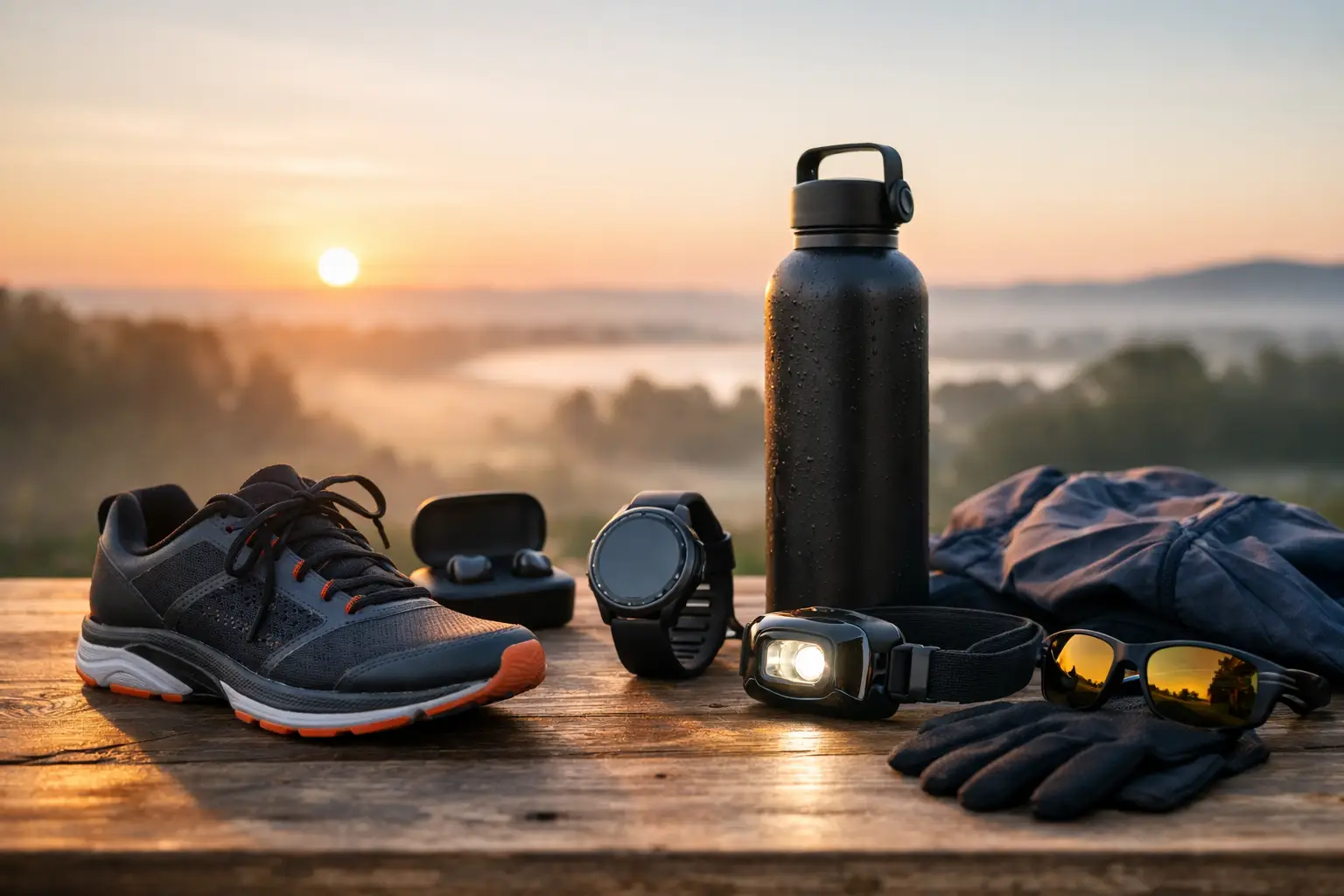
That alarm going off before sunrise is the hardest part of the run. The second hardest is getting out the door when it is dark, cold, and quiet enough to make every bit of kit matter. The best gear for early morning runs is not about looking the part. It is about staying visible, comfortable, and focused so the run feels simpler from the first mile.
Early starts expose small problems fast. A seam that rubs, laces that come loose, or a weak light that fades halfway round can turn a decent session into a frustrating one. Good running accessories earn their place because they solve those problems without fuss.
What matters most in the best gear for early morning runs
If you run before work, before school drop-off, or before the roads fully wake up, your priorities are usually pretty clear. You need gear that helps you see and be seen, stays comfortable in changing conditions, and does not add extra faff when you are half awake.
That is why the best gear for early morning runs tends to be practical rather than flashy. A reliable running headlight matters more than another expensive top. Reflective gear often does more for your safety than a wardrobe full of technical layers. And if you are constantly stopping to adjust something, it is the wrong bit of kit no matter how good it looked online.
There is also a trade-off to keep in mind. More gear is not always better. If you overload yourself with lights, belts, layers and extras, the run can feel cluttered. The aim is to carry only what improves comfort, safety, or convenience in a noticeable way.
Lighting comes first
For most runners, lighting is the single most important part of an early morning setup. Street lighting can be patchy, paths can be uneven, and even familiar routes look different in low light. A proper rechargeable running headlight helps you spot kerbs, puddles, loose gravel and turns ahead rather than reacting at the last second.
A chest light can work just as well, and for some runners better. Headlights move with your gaze, which is useful if you are scanning dark paths or trail sections. Chest lights throw a steadier beam closer to your line of travel and can feel less distracting if you do not like wearing anything on your head. Neither is always best. It depends on your route and what feels comfortable after a few miles.
Battery life matters more than brightness claims on the box. For a 5k commute run, almost any decent rechargeable light will do. For longer winter sessions or repeated use through the week, a dependable battery and easy charging setup are far more useful than an overly powerful beam you rarely need. You want a light you can trust, not one you have to think about.
Reflective gear is not optional in low light
A light helps you see. Reflective gear helps other people see you. You need both.
This is especially true on roads, at junctions, and on shared paths where drivers, cyclists and other runners may only catch sight of you for a moment. Reflective details on the chest, back and moving parts of the body such as arms or ankles tend to stand out well in headlights. A small reflective strip is better than nothing, but broader visible coverage is usually more effective.
The mistake many runners make is assuming a bright top is enough. In daylight, maybe. In the half-light of early morning, reflective gear works differently because it throws light back towards its source. That gives drivers and cyclists a clearer visual cue than colour alone.
Comfort still matters here. If a reflective vest rides up or feels restrictive, you will stop wearing it. The best option is one that fits over your normal running kit and disappears once you start moving. Practical gear only works if you actually use it.
Anti-chafe basics can save the whole run
Cold starts can be deceptive. You set off feeling fresh, then as you warm up and clothing shifts, friction shows up where you least want it. Early morning runners often wear extra layers, gloves, higher collars or tights, and all of that can create more rubbing points than a summer run.
Anti-chafe balm is one of the simplest upgrades you can make. It helps in the usual areas such as thighs, underarms and feet, but also around sports bra lines, waistbands or anywhere a zip or seam tends to catch. You do not need a complicated pre-run routine. A quick application before heading out can prevent a lot of discomfort later.
This is one of those products people often put off buying because it seems minor. Then they use it consistently and realise it solves a problem they had simply accepted. If your early runs are regularly cut short by irritation, this is a very practical fix.
Keep your footwear setup simple
When you are rushing out the door at 6am, fiddly gear gets old quickly. No-tie elastic laces are useful for runners who want a secure fit without retying frozen fingers or stopping mid-run because one lace has come undone.
They are not essential for everyone. If standard laces never bother you, fair enough. But for commuting runners, triathlon training, or anyone who likes a quick turnaround, elastic laces can make your shoes easier to slip on and more consistent in fit from one run to the next.
There is a balance here too. Too much tension and the shoe can feel tight across the top of the foot. Too little and you lose lockdown. Once adjusted properly, though, they are one of those small changes that make early starts feel more straightforward.
Dress for the first ten minutes, not the whole run
Clothing choices matter on early morning runs, but they do not need to be complicated. Most runners overdress because the cold feels sharp when they step outside. Ten minutes later they are too warm and carrying regret for the rest of the session.
A good rule is to expect to feel slightly chilly at the start. Breathable layers work better than bulky ones because your temperature will change quickly once you settle into pace. If it is very cold, focus on protecting hands, ears and your core rather than piling on thick kit everywhere.
This is also where good accessories beat expensive overbuilt clothing. A dependable light, visible reflective kit and anti-chafe protection often improve the run more than another premium half-zip. For most everyday runners, comfort and safety upgrades are the smarter buy.
Think about route, not just gear
The best gear for early morning runs depends partly on where you run. A well-lit urban route has different demands from a canal path or country lane.
If you mostly run on lit pavements, reflective gear may be your priority and a lighter-output headlight may be enough for backup visibility. If your route includes dark stretches, poor surfaces or zero street lighting, a stronger rechargeable light becomes more important. Trail or mixed-terrain runners need to pay even closer attention to beam quality and stability.
Weather changes things too. Rain reduces visibility for everyone and can make roads noisier, which means your reflective setup matters even more. On frosty mornings, secure footing and clear visibility of the ground ahead become the priority. Good gear should match the conditions you actually face each week, not the conditions you imagine on your best days.
Buy fewer things, but buy the right ones
There is plenty of running kit that promises marginal gains. Early morning runners usually benefit more from solving obvious problems first. If you cannot be seen, start with reflective gear. If you cannot see the path, get a proper running light. If chafing keeps creeping in, use balm. If your laces are constantly annoying you, sort them.
That approach is usually better value and more sustainable as well. Buying dependable accessories you will use three or four times a week makes more sense than collecting extras that sit in a drawer. Practical products tend to earn their place because they improve every run, not just race day.
For runners who want affordable, everyday solutions rather than premium-brand markup, that is where focused accessories make a real difference. Brands such as 4R build around those practical needs – visibility, comfort and convenience – because those are the things that get used most often.
The early morning running kit that actually earns its place
If you are building a reliable setup, start with three questions. Can you see clearly? Can others see you? Can you run without distraction? Most gear decisions come back to those basics.
That is why the most useful early morning kit is rarely the most exciting. A rechargeable running headlight, reflective gear, anti-chafe balm and secure easy-to-use laces will not make much noise on social media, but they can make dark starts safer and more comfortable week after week.
The right gear should help you forget about the gear. When your light works, your kit feels comfortable, and nothing needs adjusting, the run becomes what it should be – just you, the road ahead, and a better start to the day.