

Blog
Race Day Kit That Actually Matters

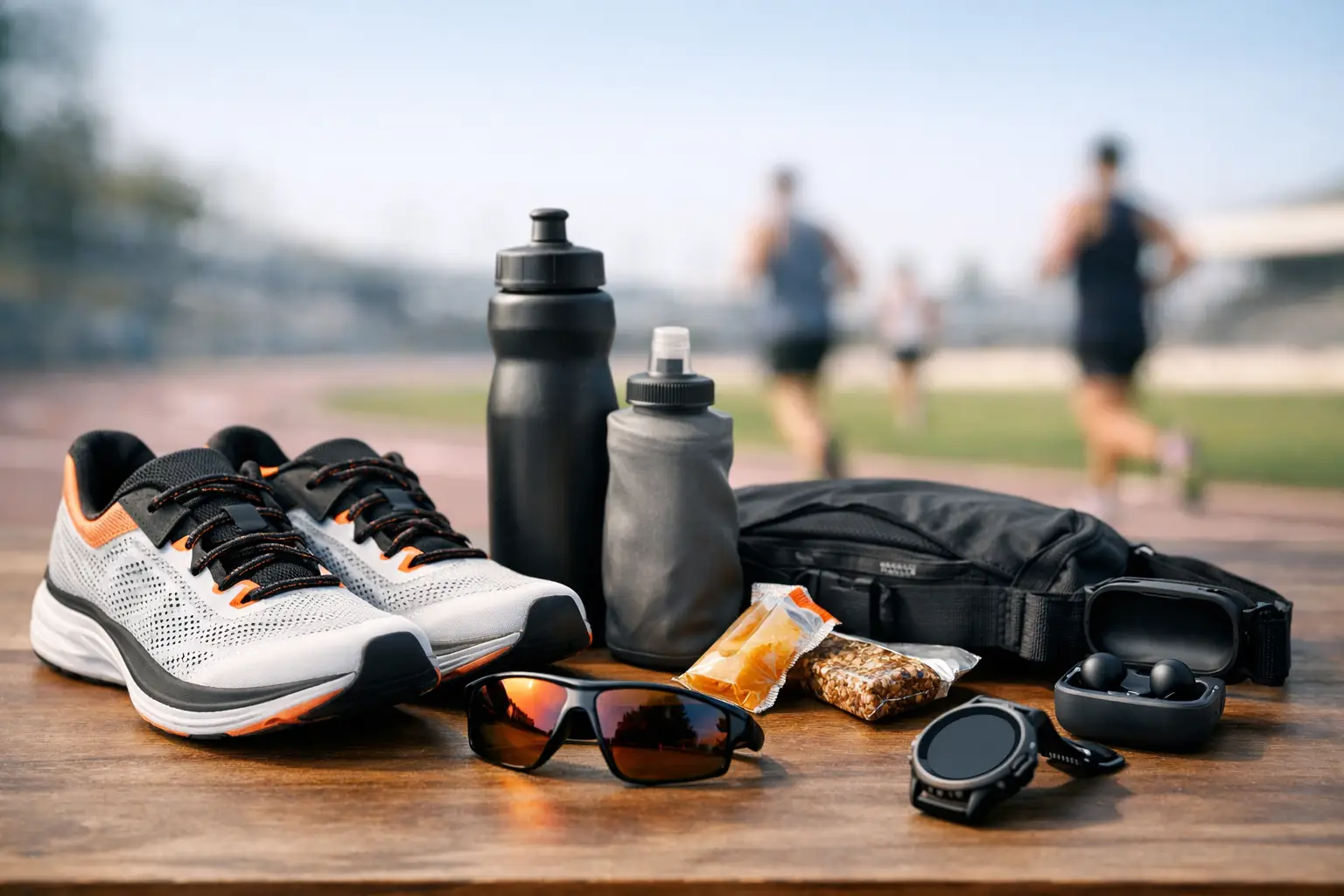
The easiest way to ruin a race is to wear or carry something you have not tested properly. A new top that rubs by mile three, laces that keep coming loose, or a gel stuffed into the wrong pocket can turn a good training block into a frustrating morning very quickly.
That is why the best race-day kit is not about buying more. It is about choosing the running essentials for race day that solve real problems – comfort, safety, convenience, and confidence – then keeping everything simple.
Running essentials for race day start with comfort
Most runners think first about shoes, and fair enough. But comfort on race day is usually decided by the smaller details around them. If your shoes fit well but your socks slip, your vest chafes, or your laces loosen, you will still feel every mile.
Your clothing should be the gear you trust most, not the gear that looks best in a photo. Stick with fabrics and fits you have used in training. If the forecast is mild, avoid overdressing. If it is wet, think less about staying perfectly dry and more about avoiding heavy, clingy kit that starts to rub.
Anti-chafe balm is one of the most useful race-day items because it prevents a problem rather than trying to manage it once it starts. Areas like underarms, inner thighs, sports bra lines, toes, and around the waistband are common trouble spots. Even runners who rarely chafe in training can get caught out in a race, simply because nerves, longer distance, and different weather all change how your body responds.
No-tie elastic laces are another small upgrade that can make a big difference. They help you get an even fit without stopping to retie a knot mid-race, and they are especially useful if you tend to pull one shoe tighter than the other in a rush at the start. They are not a magic fix for poorly fitting shoes, but if your shoes already work for you, they can make race morning quicker and less fiddly.
What to pack the night before
Race mornings are not the time to rely on memory. Laying everything out the night before removes stress and helps you spot gaps while shops are still open and your head is still clear.
Your base setup should include your race kit, socks, shoes, race number, safety pins if needed, watch, and any fuel you know you tolerate. Add a lightweight layer for waiting around before the start, especially if your wave time means standing still longer than expected. If you are travelling early, pack water and a familiar snack rather than hoping the nearest café opens on time.
This is also when practical extras earn their place. If your race starts before sunrise or you are travelling on foot in low light, reflective gear and a rechargeable running light are worth having. Even if the race itself is fully marshalled, the journey to the venue may not be. A chest light or reflective vest can make early-morning roads, car parks, and side streets much safer.
If you like to keep things organised, put everything into one bag in the order you will use it. Shoes at the bottom, kit on top, race number pinned on, fuel in one pocket, and post-race dry clothes in another. It sounds basic because it is. Basic is exactly what works when nerves kick in.
Running essentials for race day in poor weather or low light
Not every race starts in perfect daylight with ideal conditions. Winter events, local 10Ks, and charity runs often mean dark starts, grey skies, or rain that turns a straightforward setup into something less comfortable.
Visibility matters more than many runners think. If you are driving to the start and walking from a remote car park, or jogging a short warm-up on nearby roads, being seen is part of race prep. Reflective gear helps with passive visibility, while a rechargeable headlight or chest light gives you active visibility so you can spot kerbs, puddles, uneven paths, or crowded pinch points.
Which option suits you depends on the race and your preference. A headlight is useful if you want your line of sight illuminated wherever you look. A chest light often feels more stable for runners who do not like anything around the head. Neither is necessary for every event, but both are sensible if your route to the start or finish includes dark sections.
Wet weather changes priorities too. In rain, anti-chafe protection matters more, not less. So does secure kit. A soaked shoelace that loosens and a saturated top that starts rubbing can be harder to deal with than the rain itself. If conditions look rough, simplify your setup and avoid carrying anything that bounces, shifts, or becomes uncomfortable when wet.
The gear that should not surprise you
A good rule for race day is simple: nothing should be making its debut. That includes accessories.
If you plan to race with a light, wear it on at least a few training runs first. Check whether it moves, whether you forget it is there, and how easy it is to switch on with cold fingers. If you are using no-tie laces for the first time, make sure the tension is right before race week. Too loose and your foot moves around. Too tight and you notice it by the first incline.
The same goes for anti-chafe balm. Use it in training so you know how much you need and where you need it. Race day is not the moment for guesswork. The goal is not to overhaul your setup. It is to remove avoidable distractions.
That practical approach is usually what saves time and comfort. Most runners do not need more kit. They need fewer weak points.
Keep your race-day choices realistic
There is always a temptation to overprepare. Extra layers, backup accessories, too much fuel, spare shoes in the boot, three gels in every pocket. Some preparation is smart. Too much can become clutter.
Your distance matters here. For a 5K or 10K, you can usually keep things very simple. Comfort, secure laces, and weather-appropriate kit are likely enough. For a half marathon or marathon, the margin for irritation gets smaller, so details like chafe prevention and reliable accessories matter more.
It also depends on your routine. If you are the sort of runner who likes a stripped-back setup, forcing yourself into a more complex system on race day will probably feel awkward. If you prefer having specific accessories sorted in advance, then a small amount of structure helps. The best kit plan is the one that suits how you actually run, not how someone else says you should.
Affordable upgrades that genuinely help
There is a lot of race gear sold on hype. Most runners do not need premium extras with a premium price tag. What they need are dependable pieces that fix common annoyances.
That is where practical accessories stand out. Anti-chafe balm helps prevent discomfort that can derail a run. Reflective gear improves safety in low light. Rechargeable headlights and chest lights make early starts and darker commutes easier. No-tie elastic laces remove one more thing to think about on the start line. None of these are flashy purchases, but they are the sort of upgrades you notice because your run goes more smoothly.
For everyday runners, that matters more than branding. It is also why affordable, responsibly made kit tends to be a better long-term choice than buying expensive extras you do not really need. If you are building a race-day setup that you will use again in training, local events, and winter miles, practicality wins every time.
If you are updating your kit, keep it focused. Look for gear that solves one clear problem and earns a place beyond race day. That is the approach behind 4R – straightforward running accessories designed for comfort, safety, and convenience without pushing the price higher than it needs to be.
A race-day routine that works
The best race mornings usually feel calm, not dramatic. You wake up, eat what you know works, put on the kit you trust, and get to the start with enough time to breathe.
That kind of calm rarely happens by accident. It comes from having your essentials sorted in advance and keeping your choices simple. When your laces stay put, your kit does not rub, and you can see and be seen in poor light, you give yourself a better chance of focusing on the run rather than on small problems that should never have made it to the start line.
If you are deciding what belongs in your race-day setup, start with the basics that protect comfort and remove hassle. The best gear is not the stuff you notice most. It is the stuff that quietly does its job while you get on with your race.