

Blog
What Causes Nipple Chafing When Running?

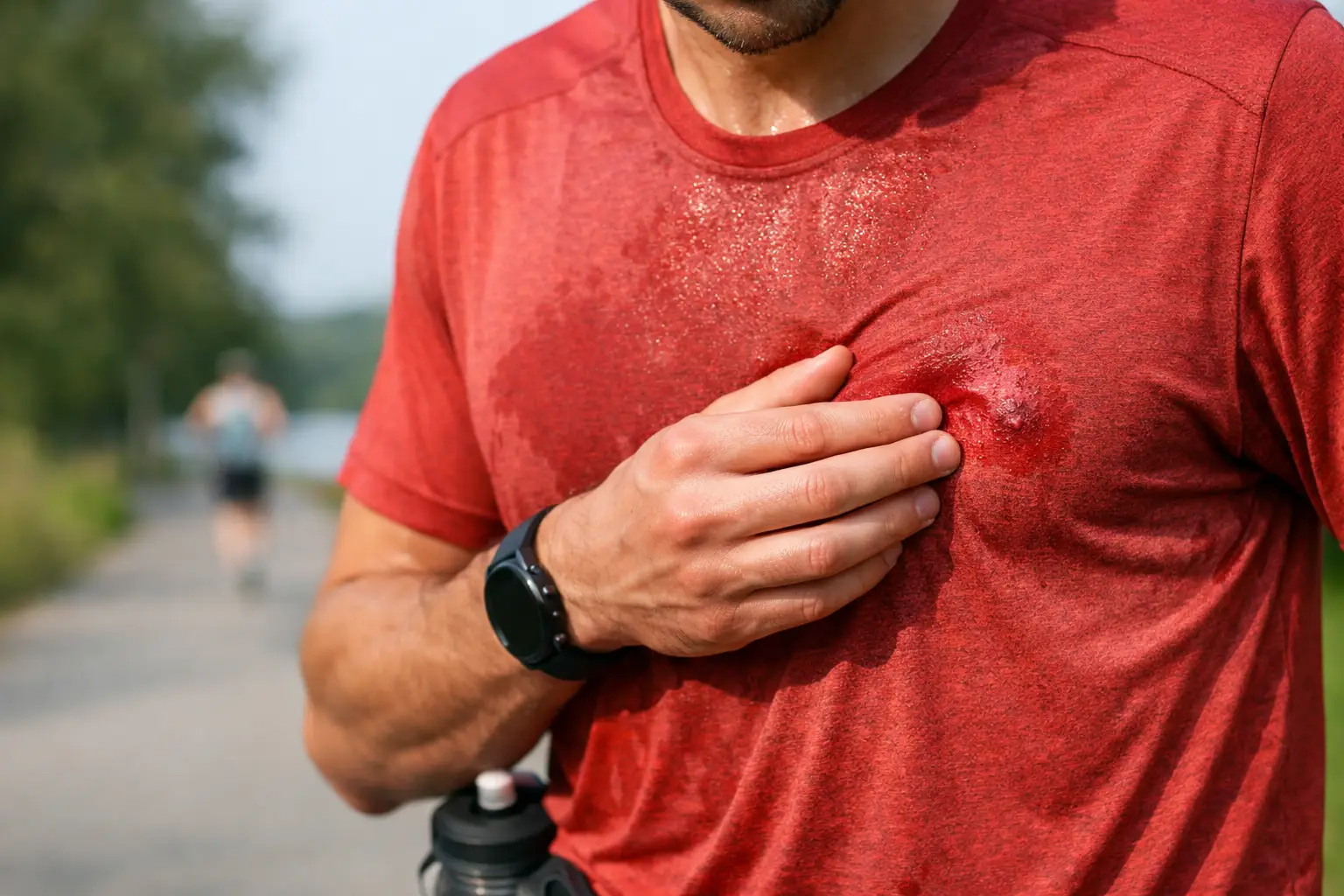
A good run can unravel surprisingly quickly when your top starts rubbing in the same spot with every stride. If you have searched for what causes nipple chafing running, the answer is usually simple: repeated friction made worse by moisture, movement and the wrong clothing setup. The sting may seem minor at first, but leave it unchecked and it can turn a comfortable training session into a painful walk home.
This is common, preventable and nothing to be embarrassed about. It affects runners of all levels, especially on longer runs, wet days and warmer sessions when sweat builds up. The goal is not to buy piles of throwaway kit. It is to understand what is causing the rubbing, then make a few dependable changes that work for your body.
What causes nipple chafing when running?
Nipple chafing happens when fabric repeatedly moves across the skin during a run. Your arms swing, your chest rises and falls, and your top shifts a little with each stride. Over thousands of repetitions, even a soft-looking shirt can create enough friction to damage the outer layer of skin.
Sweat is usually the accelerant. Damp fabric can stick to the body, then drag as you move. Salt in dried sweat can make the surface rougher too. Rain, humidity and a soaked base layer create similar conditions, which is why chafing is not only a hot-weather problem.
Fit matters just as much as fabric. A loose top can flap and rub, while a top that is too tight may pull across the chest and create pressure points. Seams, printed logos, rough labels and worn-out fabric all add to the issue. A shirt that felt fine for a 5K may become a problem at 10K or beyond because the friction has longer to build.
For runners who wear bras, an ill-fitting sports bra can cause chafing around the nipples, underband, straps or side seams. The cause may be movement from too little support, but an overly restrictive bra can also rub. There is no universal “best” fit – the right level of support depends on your body, pace and the type of running you do.
Why some runs make it worse
Distance is the obvious factor. More miles mean more friction, more sweat and more time for a small irritation to become a raw patch. But distance alone does not explain everything.
Cold starts can catch runners out. You may begin a winter run dry and comfortable, then warm up, sweat and find that your top is damp against your skin twenty minutes later. Summer brings heavier sweat, while wet weather can soak clothing from the outside in. On windy days, a loose outer layer may also shift more than usual.
Body changes play a part too. Changes in weight, muscle, posture or running form can alter how clothing sits. So can a new hydration vest or running belt that tugs at your top. If you have never had nipple chafing before and it suddenly appears, look at what changed in your kit, conditions or training load.
Laundry is another overlooked culprit. Fabric softener can leave a coating that affects moisture management, while old technical tops may lose their shape and become rougher with use. That does not mean you must replace clothing at the first sign of wear. It means inspecting the pieces you rely on and retiring them only when they no longer perform properly.
The quickest ways to prevent nipple chafing
The most reliable prevention is to create a barrier before you run. Apply an anti-chafe balm directly to clean, dry skin where rubbing usually starts. It reduces friction and can be particularly useful for long runs, races, humid conditions and any session where you know you will sweat heavily. Reapply before the start rather than waiting for discomfort.
Some runners use nipple covers or sports tape. These can work well, particularly for a one-off race or a very long run, but test them in training first. Adhesives react differently with sweat and skin, and removing tape from irritated skin can be unpleasant. A balm is often the easier everyday option, while covers provide a physical layer of protection for runners who need more security.
Your top should sit close enough to stay put without feeling restrictive. Look for smooth, flat seams and soft technical fabric that manages moisture. A lightweight running top is not automatically better if it becomes clingy when wet, and a heavier one is not automatically worse if it remains stable and comfortable. Test kit on shorter runs before trusting it on a long effort.
A practical pre-run routine is enough for most people: choose a clean, dry top, check for rough seams or damage, apply protection to known hot spots, and avoid trying untested gear on race day. Small habits save a lot of pain.
Choose running clothing that earns its place
Fast-fashion activewear often looks convincing on a hanger but fails where runners need it most: fit, durability and comfort after repeated washes. A cheap top that twists, sags or develops scratchy seams is not a bargain if it leaves you sore and ends up discarded after a season.
Better choices are made for movement, not just for a mirror. Prioritise garments that hold their shape, use considered seam placement and feel comfortable when you lift your arms, rotate your shoulders and breathe deeply. If possible, wear a new top around the house before running in it. The first signs of rubbing often show up quickly.
Sustainability and performance should work together. Buying fewer pieces that genuinely last reduces waste and gives you time to learn what works. At 4R, that practical approach matters: dependable running essentials should support your training without asking you to keep replacing disposable gear.
Wash technical clothing according to its care label, skip unnecessary fabric softener and let kit dry fully before putting it away. It is a simple way to preserve the fit and feel of garments you already own.
What to do if chafing has already happened
Stop the rubbing as soon as you can. After your run, gently rinse the area with lukewarm water and mild soap, then pat it dry rather than rubbing it with a towel. A plain, fragrance-free moisturiser or protective ointment can help soothe intact but irritated skin.
Avoid another run in the same setup until the area is comfortable. If the skin is broken, keep it clean and covered with a non-stick dressing where clothing may rub. You may still be able to train, but choose an activity or clothing arrangement that does not aggravate the wound. Pushing through repeated friction usually extends the recovery time.
A little tenderness or redness can settle within a few days. Seek advice from a pharmacist or healthcare professional if you notice spreading redness, swelling, warmth, pus, severe pain, fever or bleeding that will not stop. Also get checked if chafing keeps returning despite changing your clothing and protection routine.
Common mistakes that keep the problem coming back
The first mistake is assuming a baggy cotton T-shirt is harmless. Cotton can feel soft when dry, but it absorbs sweat and stays wet, making it more likely to drag against skin during a longer run. That does not mean every synthetic top will suit you, either. The useful test is how the garment behaves once you are moving and sweating.
The second is saving anti-chafe protection for race day. Your long training runs are where you learn your hot spots. Use those sessions to test balm, covers, a new sports bra or a different top, one change at a time.
Finally, do not ignore a tiny sting. Chafing often starts as a mild warmth or itch. Adjusting your clothing early, or ending a session short when necessary, is far smarter than turning a manageable irritation into an open wound.
Your running kit should let you focus on the road, trail or treadmill ahead – not the painful rubbing under your top. Find a durable combination that stays put, protect the areas that need it, and give yourself the freedom to keep moving comfortably.