

Blog
How to Choose Anti Chafe Balm for Running

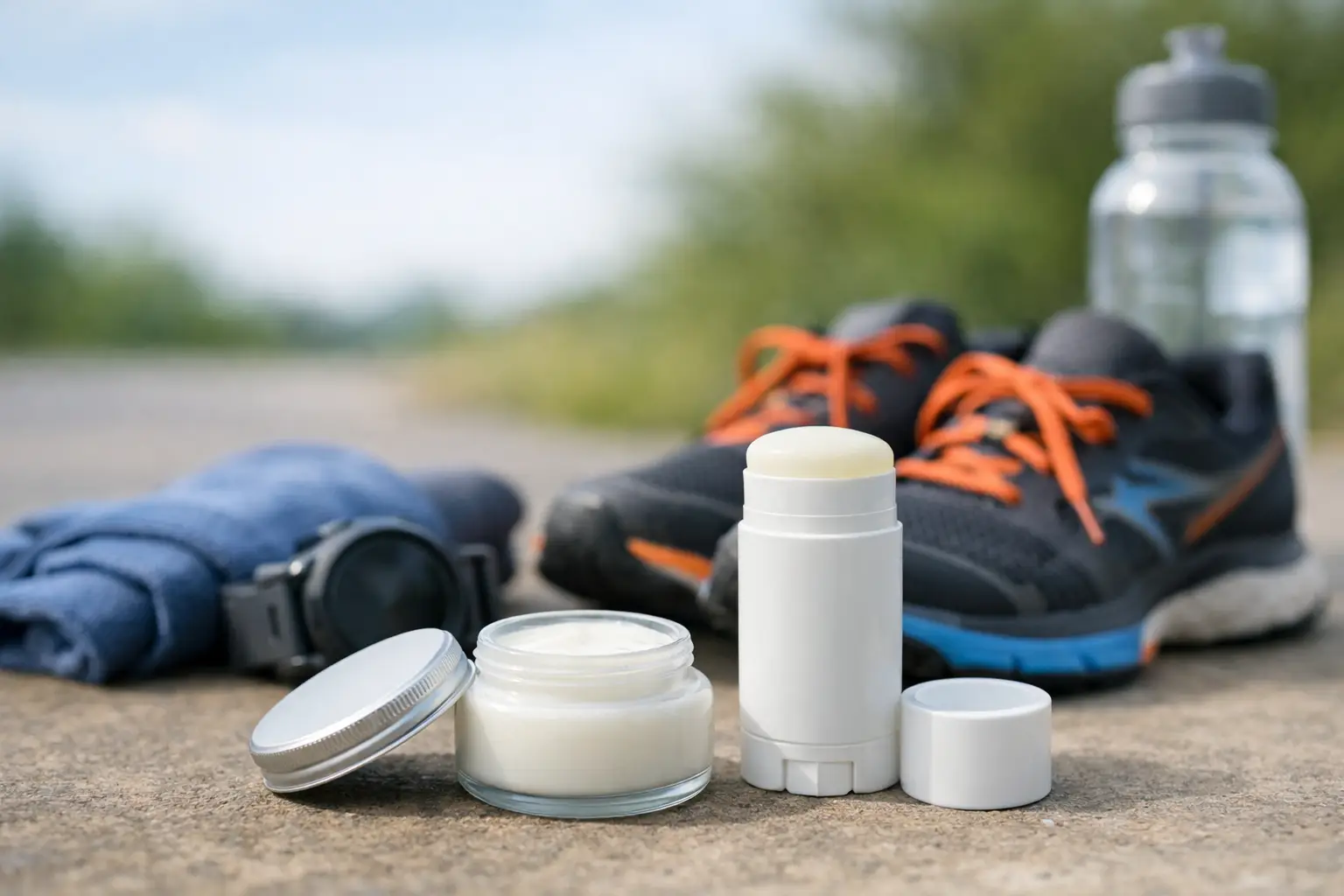
A long run can be going brilliantly until one small patch of skin starts to burn. Then it is all you can think about. If you are wondering how to choose anti chafe balm, the right answer is not just the thickest stick on the shelf. It is the one that matches how you run, where you chafe, and what your skin can handle.
For runners, anti-chafe balm is not a nice extra. It is practical kit. The right one helps you stay focused on pace, breathing and form, not on the rubbing under your arms, between your thighs or around your sports bra line. The wrong one can feel greasy, wear off too soon, or irritate your skin when sweat and heat kick in.
How to choose anti chafe balm without overthinking it
Start with the problem you are actually trying to solve. Chafing happens when skin or fabric creates repeated friction, usually made worse by sweat, salt and heat. That means the best balm for one runner may be a poor fit for another.
If your chafing is light and only shows up on longer runs, you may need a lighter balm that glides on easily and feels barely there. If you are training for a half marathon or marathon, or running through warm, humid conditions, staying power matters more. You will want a formula that holds up when sweat builds and clothing starts moving more aggressively.
This is where many runners get caught out. They buy on scent, branding or price alone. A better approach is to think about friction level, sweat level and skin sensitivity first. Then look at the formula.
The main things that matter
Texture and feel
Anti-chafe balm comes in different textures, usually from lighter glide-on sticks to denser, waxier formulas. A light balm can feel more comfortable for everyday use, especially if you dislike any residue on your skin. It tends to apply quickly and disappear fast, which suits short runs or lower-friction areas.
A heavier balm usually gives you more protection. That can be a real advantage for inner thighs, nipples, feet or under sportswear seams. The trade-off is feel. Some runners love that protective layer, while others find it too noticeable.
There is no universal best texture. If you are running a quick 5K, comfort and ease may matter most. If you are heading out for two hours in the rain or heat, durability probably wins.
Staying power
A balm that works for twenty minutes but fails after an hour is not doing enough. Look for a formula designed to cope with sweat and repeated movement. This matters even more if you run in summer, train on hilly routes, or wear hydration packs, fitted tops or supportive sports bras that create extra rubbing.
The easiest way to judge this is by looking at whether the product is made for endurance activity rather than casual daily wear. Some balms are fine for general skin protection but do not stand up well to repeated impact and heavy sweat.
If you regularly run long, choose reliability over novelty. You do not need ten products that almost work. You need one that still works when the run gets hard.
Ingredients and skin sensitivity
If you have reactive skin, ingredient choice matters just as much as performance. Fragrance can be a problem for some people, especially on areas where skin is already irritated. Strong essential oils can also feel unpleasant once sweat opens the pores and heat rises.
A simpler formula is often the safer choice if you are prone to redness, itching or stinging. That does not mean every natural ingredient is automatically gentle, and it does not mean every synthetic ingredient is bad. It means your skin decides. Patch testing before a long run is always worth it.
If you shave areas that often chafe, be extra careful. Freshly shaved skin can react more strongly, so a mild, non-irritating balm is usually the smart move.
Application style
Stick balms are usually the most convenient for runners. They are quick, less messy and easy to keep in a gym bag or travel kit. That makes them practical for pre-run use and simple top-ups if needed.
Creams can work well too, especially if you want to cover a larger area. But they can be messier, slower to apply and less convenient when you are getting ready in a hurry. For many runners, the best product is the one they will actually use every time.
Convenience matters more than it sounds. If a balm feels like a faff at 6 am, you will skip it. Then your skin pays for it later.
Where you chafe should guide what you buy
Different body areas need different levels of protection. Inner thighs often need a balm with strong staying power because the friction is continuous and sweat tends to build. Underarms may do better with something lighter, especially if you are sensitive to heavy texture. Around bra lines or waistbands, you need a balm that can cope with fabric seams and pressure.
Feet are their own category. If you get hotspots or rubbing around toes, heels or arches, look for a product that stays put inside socks and shoes. What works on thighs may not work nearly as well on feet.
This is one reason a one-size-fits-all claim should always be taken with caution. Good anti-chafe protection is specific. It should match the body zone, the distance and your clothing setup.
How your kit affects your balm choice
Not all chafing starts with skin alone. Often it is a clothing problem made worse by movement. Rough seams, wet fabric, poor fit and worn-out gear all increase friction. A balm can help a lot, but it should not be expected to fix bad kit entirely.
If your shorts ride up every run, or your top rubs under the arms once it gets wet, choose a balm with strong endurance but also look at the clothing itself. Durable, well-designed running gear reduces the amount of protection you need in the first place. That matters if you want fewer products, less waste and better long-term value.
This is where thoughtful buying pays off. Reliable gear and reliable balm work together. You should not have to build your whole run around avoiding friction.
What to avoid when choosing anti-chafe balm
Be wary of anything that looks good in marketing but tells you very little about actual performance. If the formula is vague, the ingredients are overloaded with fragrance, or there is no sign it is intended for sport, keep looking.
It is also worth being cautious with very cheap products that need constant reapplying. A lower upfront price can mean worse value if you burn through it quickly or it fails on your longer runs. Affordability matters, but so does durability. The goal is dependable protection, not a drawer full of half-used fixes.
Another mistake is waiting until race day to try something new. If you are building towards an event, test your balm on training runs first. You want to know how it behaves after an hour, how it reacts with your kit, and whether your skin stays happy afterwards.
A simple way to decide
If you want a straightforward answer to how to choose anti chafe balm, use this filter. First, identify where you chafe most. Next, consider how long and how hard you run. Then check whether your skin is sensitive, and whether you prefer a light or more protective feel.
From there, the right option becomes clearer. Sensitive skin usually benefits from a simpler formula. Long-distance runners usually need better staying power. Anyone who values speed and convenience will probably prefer a stick. And if your main issue comes from clothing seams or high-sweat conditions, choose a balm designed for serious movement rather than occasional use.
At 4R, that practical approach matters. Runners do not need more throwaway products. They need kit that works, lasts and earns its place.
The best anti-chafe balm is the one you trust
The real test is not how a balm feels when you swipe it on in the bathroom. It is how it performs at mile five, when your top is damp, your stride is tired and the temperature has climbed. Good anti-chafe protection fades into the background. That is exactly what you want.
Choose for your skin, your runs and your values. When your gear is dependable, you stop thinking about discomfort and get back to the reason you run in the first place.