

Blog
Running Safety Essentials for Every Route

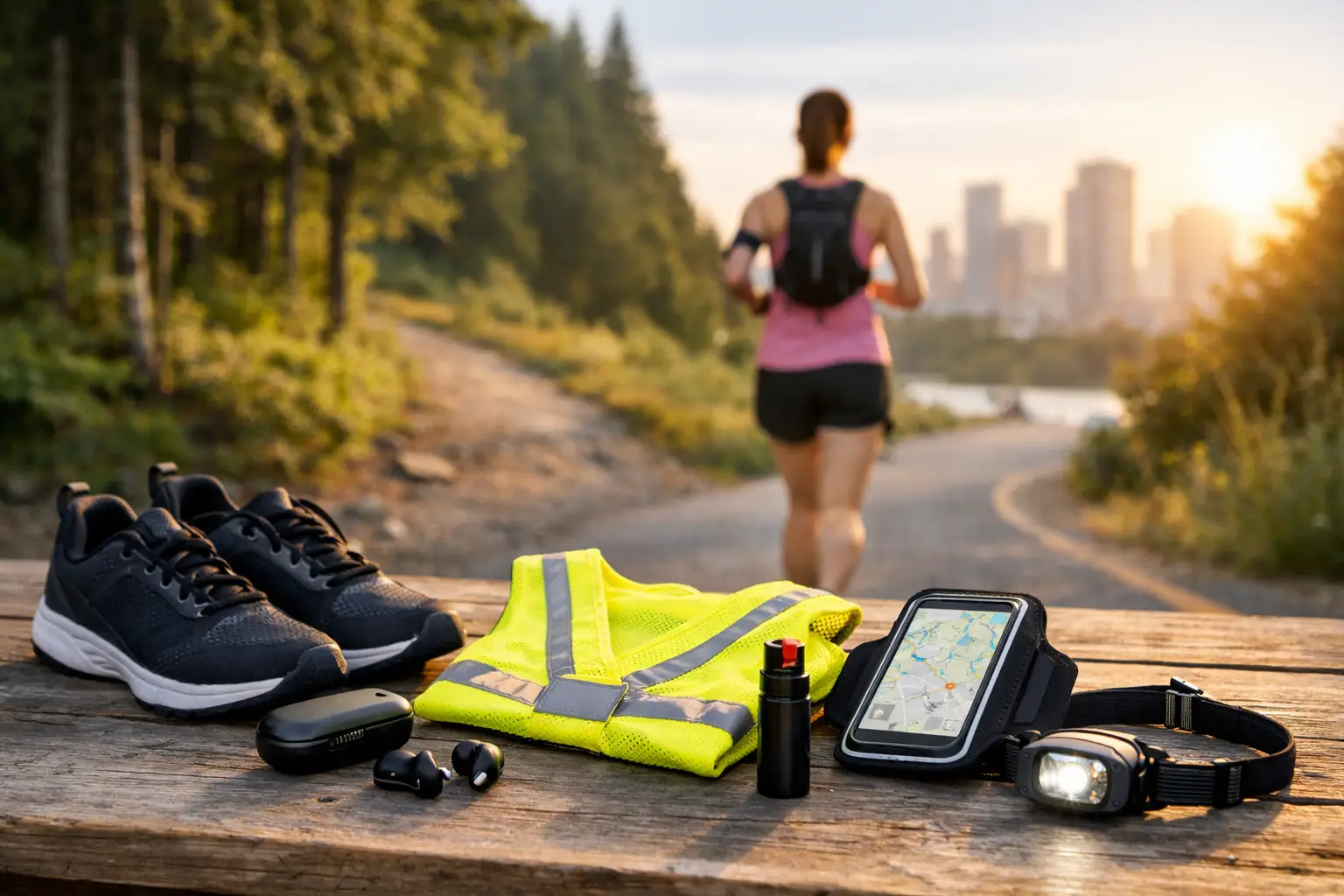
A good run should leave you feeling stronger, clearer and glad you got out the door – not worried about the traffic you passed or the dark lane ahead. The right running safety essentials do not need to turn you into a high-vis billboard or load you down with kit. They give drivers, cyclists and other path users time to see you, while helping you stay comfortable and focused on the miles.
Safety is not one product or one rule. It is a set of sensible choices shaped by your route, the weather, the light and whether you are running alone. A bright summer evening in a quiet park calls for something different from a wet 6am run beside a busy road. Build a small, durable kit that earns its place every time you head out. That is better for your running and better than buying disposable gear for every new season.
Running safety essentials start with being seen
Visibility is your first line of defence around traffic. Reflective material works when light hits it, such as car headlights, but it does not create light of its own. On an unlit path, reflective strips alone may not make you visible early enough. That is where active lighting matters.
A lightweight LED chest light makes sense for runners who need both visibility and a clear view of uneven ground. Because it sits low and points forward, it can illuminate kerbs, puddles and loose surfaces without the bounce or tunnel vision some runners get from a head torch. A rechargeable headlight is still a strong option for trail running or routes where you need to look around bends and scan the surface ahead.
For roadside running, combine a light with reflective vest straps or reflective detailing. The moving outline of your body is easier for drivers to recognise than a small patch of reflection. Wear the straps over whatever layers suit the weather, rather than relying on a single bright top that may be hidden under a jacket by November.
Colour helps in daylight, but do not mistake a fluorescent yellow top for night-time protection. Fluorescent fabrics stand out best in low natural light, such as dawn, dusk and overcast conditions. In full darkness, an LED light and reflective details do the real work.
Choose light you will actually use
The best safety kit is not the most complicated kit. It is the item you can grab without thinking when the morning is dark or a run takes longer than planned. Rechargeable lighting cuts down on batteries and waste, but make charging part of your routine. Plug it in after a night run, not five minutes before the next one.
Check the fit as well. A chest light or reflective strap that rubs, shifts or feels restrictive will end up at the back of a drawer. Adjustable, simple gear is more likely to stay in use through changing layers and seasons.
Make your route work harder for you
No piece of gear can make a poor route completely safe. Planning is not about removing the adventure from running. It is about giving yourself better options if the weather changes, your light fails or you simply do not feel comfortable.
When running near roads, choose pavements where possible and use crossings rather than assuming drivers will stop. If there is no pavement, face oncoming traffic so you can see approaching vehicles and react early. Give wide-lipped verges, blind bends and narrow country lanes extra respect, especially after dark or in rain.
For a solo run, tell someone your intended route and roughly when you expect to be back. You do not need to report every kilometre. A quick message is enough. Bring a charged phone, carried securely and protected from rain, particularly on longer routes or unfamiliar trails.
It also pays to run the less obvious route at least once in daylight. A path that feels straightforward at lunchtime can have poor lighting, closed gates, uneven sections or traffic pinch points once darkness falls. Knowing where the exits, shops, busier roads or public spaces are can make a genuine difference if you need to change course.
Stay alert without giving up your soundtrack
Music can lift a tough run, but complete isolation is a trade-off. Keep the volume low enough to hear bikes, traffic, warnings from other path users and changes around you. On busy roads, narrow shared paths or unfamiliar areas, consider running with one ear free or leaving headphones at home.
Trust your instincts, too. If a route, person or situation makes you uneasy, turn around, cross the road or head towards a busier area. You do not owe anyone politeness at the expense of your comfort. A run can be rearranged. Your safety cannot.
Dress for comfort, not just the forecast
Discomfort affects awareness. If you are distracted by chafing, slipping laces, soaked clothing or a jacket that makes you overheat, you are less focused on your footing and surroundings. Practical running safety includes preventing the small problems that turn a planned 30 minutes into a miserable slog.
Apply anti-chafe balm before areas become sore: thighs, underarms, bra lines, toes and anywhere straps sit against skin. It is a simple measure, yet it can prevent the kind of sharp discomfort that changes your stride or makes you cut across a road carelessly to get home faster.
Secure footwear matters just as much. Loose laces can catch on the other shoe, snag on trail debris or come undone at the exact moment you are crossing a junction. No-tie elastic laces can be useful for runners who want a consistent fit and less fuss, although they should still be adjusted carefully. Too tight and they can create pressure; too loose and your foot may move inside the shoe.
Dress in layers that match the conditions, not just the temperature on your weather app. Wind, rain and effort level can change how cold you feel quickly. A breathable layer is often more useful than a heavy top you will overheat in after the first mile. In wet or cold conditions, plan for the slower walk home too, especially if you are running trails or stopping after an injury.
Weather changes the risk
Rain reduces visibility for everyone. Drivers can struggle with glare, misted windows and longer stopping distances, while runners deal with slippery paint markings, metal drain covers and puddles that hide broken ground. Slow down at crossings and give yourself more space from the kerb. There is no prize for treating a stormy commute route like a race.
In cold weather, ice can form in shaded patches long after open roads look clear. Shorten your stride, avoid sudden turns and choose gritted, well-used paths when possible. A planned easy run is still a win if it becomes a cautious one.
Warm weather brings a different set of concerns. Carry water on longer runs, start earlier or later to avoid the strongest sun, and recognise the warning signs of overheating: dizziness, chills, confusion, nausea or an unusual lack of sweat. Stop, seek shade and get help if symptoms are severe or do not ease.
Buy less, choose better
There is no need to fill a drawer with single-purpose accessories that fail after a handful of outings. Running gear should be dependable, adjustable and made to work across seasons. A rechargeable light, reflective straps that fit over different layers, and anti-chafe balm used to the last swipe are practical choices because they reduce repeat buying.
That matters beyond your own kit bag. Fast-fashion sportswear encourages runners to chase new colours and gimmicks while poorly made essentials wear out, lose their shape or get binned. We can expect better. Durable performance gear is not a luxury concept. It is the sensible standard for people who run week after week.
From Newry, 4R backs that standard with functional gear designed for real roads, real weather and repeat use. The goal is simple: spend less time replacing unreliable kit and more time moving with confidence.
A quick pre-run safety check
Before you leave, pause for thirty seconds. Check that your light is charged if you need it, your phone has enough battery, your laces are secure and your route suits the conditions. If you are heading out in darkness, make sure reflective elements are visible over your outer layer, not buried underneath it.
That small pause is not caution for caution’s sake. It is a signal that your run matters. Take the route that lets you enjoy the effort, wear the kit that will still be working next month, and leave enough room in your plan to get home safely.