

Blog
Running Apparel Care That Keeps Gear Going

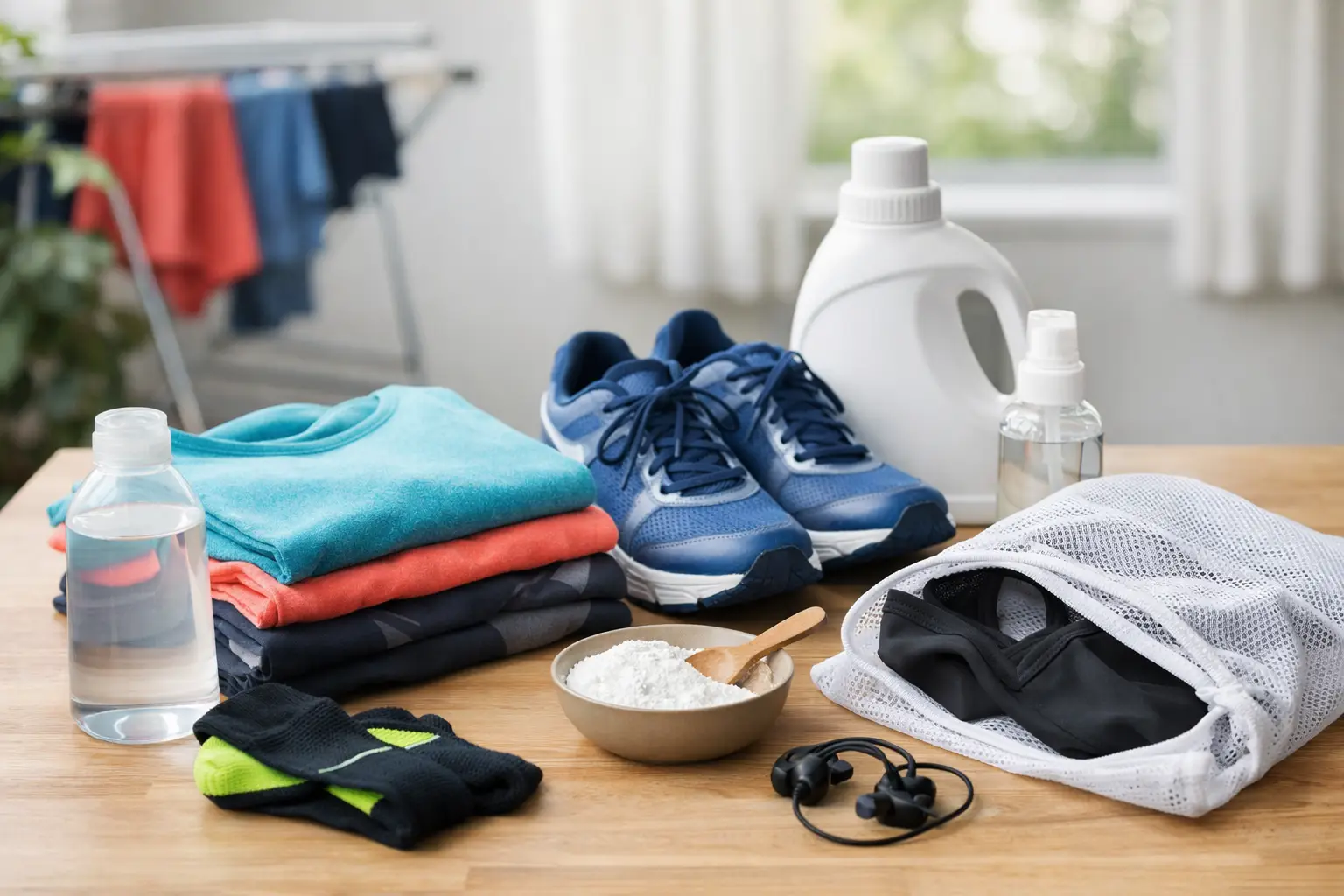
Your running top may have carried you through rain, sweat, trail mud and an early alarm. Running apparel care is what decides whether it stays a reliable layer for hundreds of miles or becomes another disposable purchase far too soon.
Good kit is made to work hard. It still needs the right treatment between runs. A little care protects stretch, breathability, reflective details and fit, while cutting down on the energy, water and replacement purchases that fast fashion depends on. That is better for your budget, your running routine and the planet.
Wash less, but wash properly
The best wash routine starts the moment you get home. Do not leave damp clothing balled up in the bottom of a kit bag, under a car seat or in a closed laundry basket. Sweat and bacteria thrive there, and that is where the stubborn smell starts.
Turn tops, tights and shorts inside out, then hang them over an airer until they are dry enough to wash. If your kit is lightly sweaty after an easy run, airing it out may be all it needs before its next outing. If it is soaked, muddy or has been against anti-chafe balm, wash it promptly.
This is not permission to wear dirty gear indefinitely. It is a sensible middle ground. Washing every item after every gentle session can wear fabrics faster, but letting sweat sit for days can do the same. Use your judgement based on effort, weather and how close the item sits to your skin.
Choose a cool, gentle cycle
Most performance fabrics respond best to a cool wash, usually 30°C, on a gentle or synthetic cycle. High heat can weaken elastic fibres and affect the fit that stops a waistband rolling or a technical top clinging uncomfortably on a run.
Fasten zips, empty pockets and turn garments inside out before they go in. This reduces friction on the outer surface and gives logos, reflective prints and brighter colours a better chance of lasting. Wash similar fabrics together where possible. A heavy cotton towel or a pair of jeans rubbing against lightweight running clothing does it no favours.
Use a modest amount of liquid detergent. More detergent does not mean cleaner kit. It can leave residue in the fibres, trapping odour and making a breathable fabric feel less fresh. If your clothes retain a sour smell despite washing, the usual culprit is detergent build-up or a washing machine that needs cleaning, not a lack of fragrance.
Skip fabric conditioner and harsh fixes
Fabric conditioner is designed to coat fibres. That may feel soft on everyday cotton, but it is a poor match for sweat-wicking running apparel. The coating can reduce moisture management, flatten the feel of technical fabrics and make odour harder to shift over time.
Avoid bleach unless the garment label specifically permits it. Strong stain removers and heavy-duty powders can fade colour and damage delicate prints. For a small mud mark, rinse it under cold water first and gently work in a little detergent before washing. Hot water can set stains, especially those containing protein from sweat or blood from the occasional trail-side scrape.
Vinegar gets talked about as a cure-all, but it is not required for every load. Used occasionally and sparingly, it may help with odour residue. Used constantly, it can be unkind to some elastic components and washing-machine parts. A cleaner wash is usually achieved through the right detergent dose, a clean machine and drying kit quickly.
Give accessories their own attention
Running apparel care is not only about tops and leggings. Reflective vest straps, chest lights, head torches and no-tie laces all need a quick post-run check if they are going to stay dependable when conditions turn dark or wet.
Wipe down reflective straps and light housings with a damp cloth rather than throwing electronic items into the wash. Make sure charging ports are dry before recharging, and store rechargeable lights somewhere cool and dry. Check elastic straps for twists, stretched sections and worn buckles. A small issue discovered at home is much better than a light bouncing loose halfway through a winter run.
No-tie laces can usually be hand-washed in lukewarm water with mild soap, then left to air dry. If you use anti-chafe balm, wipe any excess from contact points on clothing before laundering. It will help prevent oily marks and keep fabrics feeling lighter.
Dry for performance, not speed
The tumble dryer is convenient, especially when tomorrow’s run is already planned. Yet repeated heat is one of the quickest ways to reduce the life of elastic waistbands, compression panels and synthetic fibres. Air drying is the lower-impact choice and it is usually kinder to your kit.
Hang garments in a ventilated space, away from direct radiators and intense sunlight. Direct heat can make fabrics brittle over time, while prolonged strong sun may fade darker colours. Smooth tops and tights into shape before they dry instead of leaving them twisted on an airer. It takes seconds and helps them keep their intended fit.
If you are travelling, rinse sweaty kit in the shower or sink with a little detergent, press out excess water in a towel and hang it overnight. Do not wring it aggressively. A properly cared-for running wardrobe should work across your week, not require a new pile of clothing for every session.
Know when a repair beats a replacement
A loose hem, a small seam opening or a broken drawcord does not automatically end a garment’s running life. If the main fabric is still sound, a simple repair can keep it in use for months or years. Local alteration services can often fix seams and replace elastic for far less than buying new.
Be practical, though. Retire an item from running when it has become see-through, no longer stays in place, rubs painfully or has lost the support you rely on. It may still have a second life for decorating, gardening or cleaning, depending on its condition. The goal is not to keep unsuitable gear forever. It is to get the full, useful life from every piece before replacing it.
When you do replace something, choose fewer pieces with clear jobs. A dependable long-sleeve layer, a comfortable pair of tights and visible low-light accessories can cover far more runs than a wardrobe built around trends. At 4R, that practical approach matters: gear should earn its place through comfort, safety and repeat use, not a short-lived look.
Build a routine you will actually keep
The most effective care plan is the one that fits into real life. Keep an airer near where you drop your kit. Empty pockets and turn garments inside out before you shower. Run a gentle wash when you have a worthwhile load, rather than treating one top like an emergency.
Once a month, inspect the items you use most. Look at seams around the inner thigh, underarms and waistband, test lights before an early start, and check whether your favourite layer still feels breathable. This quick habit catches problems before they become discomfort, wasted money or a safety issue on a dark road.
Your kit is part of the engine behind every run. Treat it with the same steady discipline you bring to training, and it will be ready when the weather turns, the miles build and you decide to go again.