

Blog
Why the Minimalist Running Wardrobe Trend Works

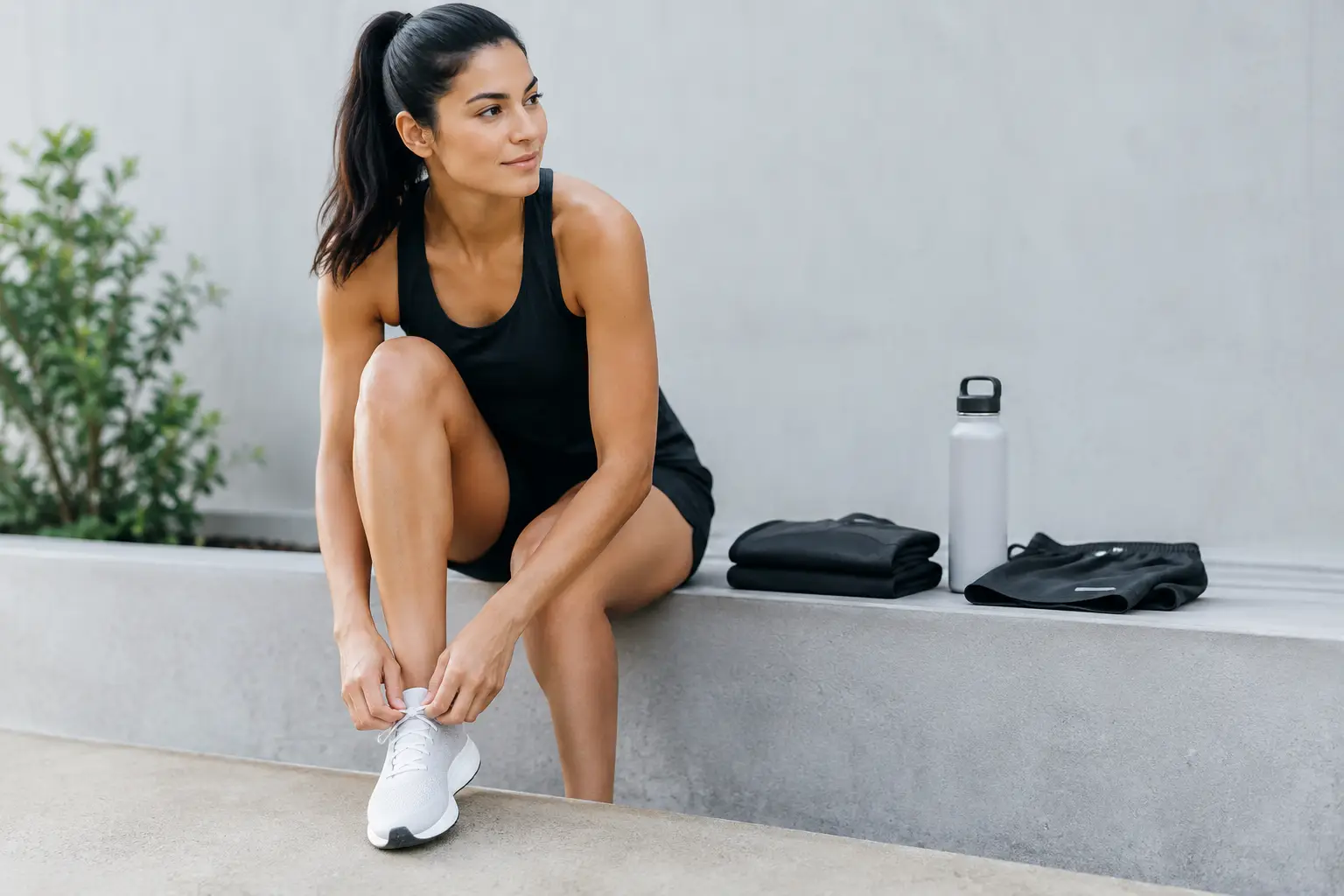
A drawer full of running tops will not make a wet Tuesday evening run feel any easier. A kit that fits, performs and is ready when you are might. The minimalist running wardrobe trend is gaining ground because runners are tired of disposable gear, confusing choices and clothing that loses its shape before it has earned its place.
This is not about owning the fewest possible things or pretending that one pair of shorts suits every forecast. It is about buying with purpose. A smaller running wardrobe can reduce waste, save money over time and make getting out the door simpler – while still giving you what you need to train comfortably in real British and Irish weather.
Why the minimalist running wardrobe trend has momentum
Fast fashion has trained us to see more choice as better choice. Running kit has not escaped it. New colours, limited drops and bargain bundles can make a perfectly useful wardrobe feel outdated. Yet runners need clothing that works through sweat, rain, repeated washing and long miles, not another item that sits unworn at the back of a drawer.
Minimalism is a practical response. When every piece has a clear job, getting dressed becomes quick. You know which layer handles a cold start, which top stays comfortable on a humid run and which tights do not slip after the first kilometre. That confidence matters more than owning five near-identical options.
There is an environmental reason, too. Every unnecessary garment uses materials, energy and transport before it reaches your door. Buying less, choosing durable construction and wearing each piece properly is a direct rejection of the wasteful cycle of buy, wear once, replace. Performance should never be an excuse for throwaway fashion.
Build around the runs you actually do
The right minimal wardrobe starts with honesty, not an aspirational shopping list. Think about your weekly routine. Are you mostly running 5Ks before work, building towards a half marathon, using the park at lunch, or heading out after dark? Do you run hot? Do you need to wash kit between every session? Your answers determine what earns a permanent place.
For many runners, a dependable core is enough: two or three technical tops, two pairs of shorts or tights suited to the season, quality socks, a supportive sports bra where needed, a weather-ready outer layer and shoes appropriate for the surface you use most. The exact number depends on your training frequency and drying space. Someone running six days a week will need more rotation than someone who runs twice, and that is sensible rather than excessive.
Prioritise repeat wear. A top should be comfortable enough for an easy run and dependable enough for a harder session. Shorts should stay put without demanding constant adjustment. Layers should work together, rather than requiring a separate outfit for every minor temperature change.
Start with fit, then fabric
Fit is where minimalist wardrobes succeed or fail. An excellent fabric is little use if a waistband rolls, a seam rubs or a sleeve catches your stride. Test pieces on the move where possible, and pay attention to the small irritations. They become much louder after 45 minutes in the rain.
Choose fabrics for function, not marketing noise. Breathable, quick-drying materials are useful for regular training because they wash and dry quickly. A slightly warmer layer can earn its place if it works for walking to the start, warming up and cooling down afterwards. The goal is versatility without compromising on comfort.
Natural and recycled fibres can both have a role, but no material makes a garment sustainable by itself. Longevity is the real test. A well-made piece that is worn hundreds of times is usually a better choice than a supposedly green option that stretches out, pills badly or needs replacing within a season.
Keep colour choices hard-working
A tightly edited colour palette makes a small wardrobe more flexible. Black, navy, charcoal and earthy shades pair easily, while one brighter top or layer can bring visibility and personality. This is not a rule against colour. It is a way to stop buying items that only work with one particular outfit.
Darker bottoms are often practical for muddy paths and frequent use. Brighter or reflective details have genuine value for early mornings and evening runs. Choose the colours you will reach for, not the ones that look good only in a product photograph.
Do not confuse minimalism with being underprepared
There is a line between buying fewer, better pieces and heading out without the gear that keeps you comfortable and safe. Minimalism should remove excess, not common sense.
If you regularly run after sunset, visibility equipment is essential, not an optional extra. A reflective vest strap, LED chest light or rechargeable headlight may be used more often than an extra running top, especially through autumn and winter. It also serves a specific purpose that clothing alone cannot always cover. The same goes for anti-chafe balm on longer runs: a small, dependable item can prevent a run-ending problem.
Weather also changes the equation. Northern Irish runners know that a dry forecast is not a promise. A lightweight, packable layer that deals with wind and showers can justify its place many times over. But avoid buying bulky specialist gear for conditions you rarely face. Borrow, layer creatively or wait until your training genuinely demands it.
Make every item last longer
A minimalist wardrobe only works if it stays in rotation. Care is not glamorous, but it is part of responsible running. Wash kit promptly when needed, follow care labels, avoid using more heat than necessary and let garments air dry when you can. High heat can damage elastic fibres and shorten the life of technical fabrics.
Deal with small problems early. A loose drawcord, worn lace or minor seam issue is easier to sort before it becomes a reason to bin an otherwise good item. No-tie elastic laces are a simple example of a small upgrade that can extend the usefulness of shoes and remove one more distraction from your run.
Shoes need particular attention. Rotate them if your mileage is high, but do not replace them simply because a new model has appeared. Track how they feel underfoot, inspect the outsole and midsole, and pay attention to new aches. Replacement should be based on wear and comfort, not hype.
Buy with a longer view
Before adding something to your basket, ask a few blunt questions. Will you wear it at least once a fortnight? Does it solve a problem your current kit does not solve? Can it work across more than one type of run? If the answer is no, leave it.
Price matters, especially when you are building a wardrobe from scratch. Cheap kit that fails quickly is rarely a bargain, but premium pricing alone does not guarantee durability or ethical production either. Look for clear purpose, solid construction and a brand that treats product longevity as a commitment rather than a slogan.
At 4R, that means standing firmly against clothing made to be replaced. From Newry, we back runners across the UK, Europe and beyond with practical gear designed to do its job, keep doing it and help reduce unnecessary consumption.
Let your kit support the habit
The best running wardrobe is the one that makes a run feel easier to start. Keep your core kit clean, accessible and ready for the conditions you face most. Replace only what no longer performs. Add specialist pieces only when your routine proves you need them.
Your running progress will never come from a crowded drawer. It will come from the quiet decision to lace up again – in gear you trust, chosen with care and worn for every mile it has left.