

Blog
A Low Waste Race Kit Example That Performs

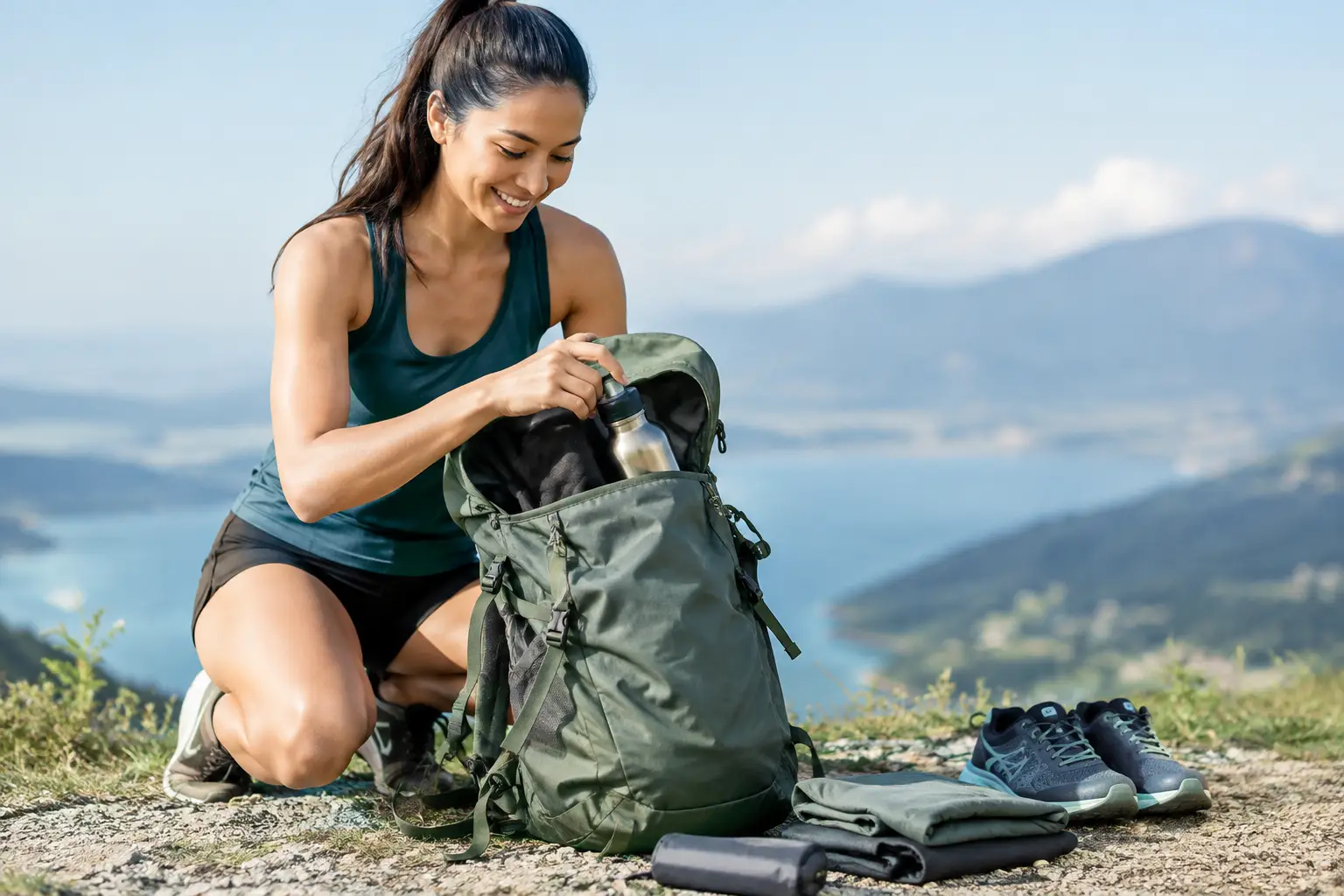
A low waste race kit example is not a pristine pile of brand-new gear laid out for a photo. It is the kit you know, trust and will use again after the finish line. It keeps you visible at dawn, comfortable through the final miles and free from the wasteful habit of buying a fresh outfit for every event.
Race day already asks enough of you. Your kit should remove friction, not add decisions, blisters, packaging and a drawer full of barely worn technical clothing. The goal is simple: own less, choose better and turn up ready to run your race.
What a low waste race kit actually looks like
Low waste does not mean underprepared. Nor does it mean refusing a replacement when an item is worn out or no longer safe. It means building a small, dependable system around durable pieces, then repairing, reusing and re-wearing them for as long as they perform.
For most road races, park runs and local trail events, that system starts with clothing that can do more than one job. A breathable running top and shorts or leggings should work for training, race day and recovery walks. A layer should earn its space by handling cool starts, changing weather and repeated washing. Avoiding the race-specific novelty top is often the easiest win.
The same principle applies to accessories. Choose gear that solves a real running problem: chafing, poor visibility, laces that loosen or a dark commute home. A functional item used hundreds of times has a far better place in your kit than a giveaway that reaches the bin before the medals are handed out.
Low waste race kit example for a typical 10K
Imagine a 10K with an early start, a short journey and mixed weather. Your kit does not need to be complicated. It needs to be tested.
- One familiar running top, shorts or leggings, and socks you have already worn on a longer run.
- A reusable water bottle filled at home, rather than several disposable bottles bought along the way.
- Anti-chafe balm in a compact, long-lasting format, applied before you leave.
- No-tie elastic laces if they have been fitted and tested in training, so there are no mid-race stops to fix a knot.
- A lightweight reflective vest strap or rechargeable LED chest light for the journey to the start, particularly during darker autumn and winter mornings.
That is a complete, practical base. Add a weather layer only if the forecast and waiting time call for it. If you are travelling by car or train, wear your bulky layer rather than packing it in another bag. If the race provides a bag drop, use a tote or drawstring bag you already own instead of collecting another branded carrier.
There is a quiet advantage here too: familiar kit protects your focus. You know where it rubs, whether it stays put and how it behaves when you sweat. Race day is not the place to gamble on an untested fabric, a free sample or a pair of shoes bought because the colour matched your bib.
Build around repeat wear, not race photos
A running wardrobe becomes wasteful when every event is treated as a reason to buy. The pressure can be subtle: a new distance, a new season, a social post, a finish-line photograph. But your strongest running story is consistency, not a different outfit in every picture.
Choose colours and cuts you genuinely enjoy wearing on ordinary training days. Wash them according to the care label, air dry where possible and deal with small issues early. A loose seam can be repaired. A tired elastic lace can be replaced. A rechargeable light can keep working long after a disposable battery-powered novelty has failed.
At 4R, we believe performance gear should stay useful, not become another piece of fast-fashion clutter after one outing. That means choosing products for their job, their durability and their place in your actual routine.
Where races create unnecessary waste
The biggest source of waste is often not the runner’s clothing. It is the accumulation around the race: plastic bottles, single-use gels, foil blankets, promotional leaflets and mountains of unwanted event merchandise. You cannot control every part of an organiser’s set-up, but you can control what you accept and what you bring.
Carry water from home when practical and check whether the event has refill points. For a shorter race, you may not need to carry a drink at all, depending on conditions and your own needs. Never compromise hydration to prove a point. In heat, over longer distances or where water access is uncertain, bring the capacity you need and use refill stations whenever available.
Food is another personal choice. If you use gels, take only the number you have practised with and dispose of wrappers properly. If a banana, dates or another home-packed snack suits your stomach, it may reduce packaging, but it is not automatically better for every runner. Reliable fuelling matters more than chasing a perfect-looking kit.
Be selective with the finish area too. Take the medal if it means something to you. Skip the flyer, voucher or bulky freebie you know you will not use. If the race shirt is optional, consider whether it will become a regular training layer. Saying no is not being ungrateful. It is refusing the idea that participation must generate clutter.
Train your race kit before race day
The lowest-waste choice is frequently the one that prevents a last-minute replacement. Test your kit on at least two runs, including one where you get warm enough to notice rubbing, bounce and sweat management. Wear the exact socks, laces and layers you plan to use. Charge lights after use, not just the night before an event.
Keep a simple note on your phone after longer sessions. Did the waistband roll? Did the vest straps move? Did you need balm? Was your bottle easy to drink from while moving? These details stop you buying blindly and help you improve one thing at a time.
Weather changes the equation. A reusable outer layer is sensible for a wet, cold start, but you may need a plan for it after the gun goes off. Ask a friend to hold it, place it in bag drop or choose a layer you are happy to keep tied around your waist. Do not abandon usable clothing at the roadside unless the organiser specifically collects and redistributes it.
Make the kit last beyond the finish line
Your race kit should return to service quickly. Empty your pockets, rinse bottles, wipe down lights and let sweaty clothing dry before washing. Check for grit in shoe uppers and mud around laces. Small habits extend the life of gear and make the next run easier to start.
When something finally needs replacing, replace the failed item rather than rebuilding the whole outfit. If your top still performs, keep it. If your light no longer holds charge, choose a rechargeable replacement. If a pair of shorts has reached the end of its life, look for a hard-wearing option you can train and race in across seasons.
A low-waste kit will not look identical for every runner. Trail runners may need more carrying capacity and weather protection. Marathon runners will have a more detailed fuelling plan. Beginners may need fewer items, not more. The standard is not minimalism for its own sake. It is purposeful gear that supports your run without demanding a constant stream of purchases.
Next time you pin on a bib, look at what you already own before looking for something new. A well-used top, reliable laces and a charged light are not a compromise. They are proof that your kit is doing exactly what it was made to do: helping you get out there, run strong and leave less behind.