

Blog
How to Pack Running Gear Without Overpacking

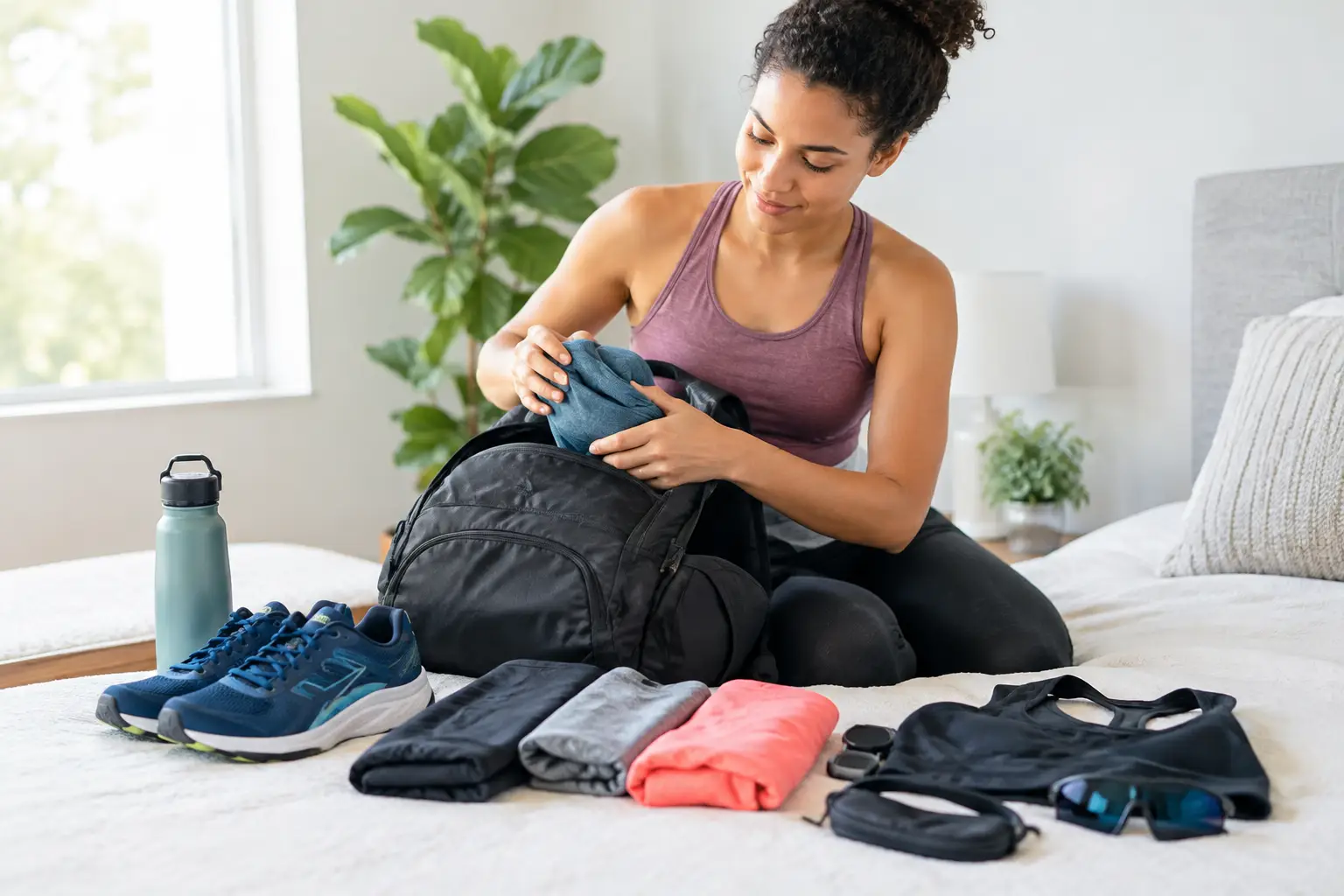
A missed run on a trip is rarely about motivation. More often, it comes down to leaving the right socks at home, packing shoes that flatten everything else in your bag, or discovering your running top is still damp when you need it. Knowing how to pack running gear means building a kit that works wherever you land – without stuffing your case with disposable extras you will use once.
Whether you are travelling for a city break, a work trip, a race weekend or a proper holiday, your running kit should earn its space. The goal is not to bring every option. It is to bring reliable pieces that keep you comfortable, visible and ready to run.
How to pack running gear for the run you will actually do
Start with the route, weather and time you realistically have. A three-day work trip may only allow for two short early runs. A summer holiday might mean humid evenings, while a winter race weekend could require layers, lights and dry replacements. Pack for the likely conditions, not an imaginary week of perfect training.
Choose a simple running uniform first: a dependable top, shorts or tights, underwear, socks and a layer suitable for the forecast. If you can wash and dry items overnight, two complete outfits will often cover several days. This is lighter than packing a fresh set for every run, and it avoids the wasteful habit of buying cheap holiday gear that soon ends up unworn.
For a longer trip, add one extra top and one extra pair of socks before adding more of anything else. Socks are small, slow to dry in damp weather and can make or break a run. A clean pair is a better use of luggage space than a third pair of shorts.
Your shoes deserve a realistic decision too. Bring your usual running shoes if you expect to run more than once or if the trip includes a race. New shoes, borrowed shoes and casual trainers are poor substitutes when your feet are used to a particular fit. If you are travelling light for a short break, one versatile pair that handles easy road runs and everyday walking may be the sensible choice. The trade-off is that they may be less suitable for muddy trails or fast sessions.
Build your kit around comfort, not clutter
Small essentials often matter more than bulky clothing. Chafing, blisters and poor visibility can stop a run long before fitness does. Pack these items together in a small zip pouch so they do not vanish into the bottom of your bag:
- anti-chafe balm for thighs, underarms, feet or sports-bra lines
- plasters or blister patches for quick fixes
- no-tie elastic laces if you use them for a secure, consistent fit
- a compact light or reflective straps for dark starts and late finishes
- a charging cable for rechargeable safety gear
This is not about preparing for every possible problem. It is about carrying the few things that protect a run from common, preventable discomfort. If your kit includes a rechargeable headlight or LED chest light, charge it before you leave and check it works. Packing a light with no power is just carrying extra weight.
Keep liquids contained. Put balm, sun cream and any gels in a sealed pouch, especially if you are flying. A loose lid can ruin a running top and make the rest of your bag unpleasant. If you use a hydration vest or soft flask, make sure it is empty and fully dry before packing. Moisture trapped in a closed bag soon creates a smell you will not want near your clean kit.
Put shoes and wet-prone items in the right place
Running shoes are the awkward part of most packing jobs, but they do not need to dominate the case. Put them in a reusable shoe bag or a simple washable bag, sole to sole, then fill the insides with socks, charging cables or your light pouch. You protect your clothing, save space and stop small essentials from rattling around loose.
Place shoes at the base of a suitcase, close to the wheels, where their weight will not crush delicate items. In a backpack or cabin bag, keep them against the back panel so the load sits close to your body. If you are wearing your running shoes while travelling, pack a lightweight spare pair only if you genuinely need it. One reliable pair is usually enough.
Separate used gear as soon as you finish a run. A reusable dry bag is ideal, but any dedicated washable pouch will do. Do not mix sweaty kit with clean clothes and hope for the best. If you have time, rinse your top, socks and underwear in the sink with a small amount of soap, roll them in a towel to remove excess water, then hang them with airflow around them. Avoid drying gear directly on high heat, which can damage elastic fibres and shorten the life of pieces designed to last.
Pack for visibility when your plans might change
Travel days shift. Meetings run late, dinner takes longer than expected, or the heat makes an early morning run feel impossible. That is why visibility gear belongs in your main running pouch rather than at the bottom of a case.
A reflective vest strap adds very little weight and works over almost any running layer. A rechargeable chest light or headlight gives you a clearer view of uneven paths and helps others see you. In unfamiliar places, being visible is not an optional extra. It gives you more freedom to choose a safe time to run.
It depends on where you are staying. Bright, busy city streets may call for reflective straps and awareness of traffic at every crossing. Rural lanes, coastal paths and poorly lit parks may justify a stronger light. If you are unsure, take the lighter safety option. It is easier to leave a light in your bag than to wish you had packed one.
Make race-weekend packing calm and deliberate
For a race, do not experiment. Pack the kit you have trained in, including socks, underwear, layers, nutrition and any anti-chafe product you know agrees with your skin. Put race-day essentials in one clearly marked pouch as soon as you start packing.
Carry the irreplaceable items with you where possible: running shoes, race outfit, watch, charging cable, bib confirmation and medication. Checked luggage can be delayed. Your race should not depend on a suitcase appearing at the right baggage belt.
Bring one weather contingency, not five. A lightweight long-sleeve layer or a packable waterproof can cover a cool or wet start without turning your luggage into a kit warehouse. Check the forecast close to departure, then make one confident choice. Overpacking because the weather might do anything is a fast route to unnecessary weight.
Choose gear that works beyond one trip
The best travel running kit is not a pile of single-purpose products. It is a small collection of durable gear you use at home, on holiday and on ordinary midweek runs. That approach costs less over time and keeps unnecessary clothing out of circulation.
At 4R, based in Newry, we believe runners should not have to choose between dependable performance and a lighter environmental footprint. Buying fewer, better-made pieces and using them hard is a stronger answer than treating running clothing as fast fashion.
Before you zip the bag, lay everything out and remove one item you cannot explain. Keep the shoes that fit, the layers you will wear, the socks that stay put and the safety gear that lets you run with confidence. A well-packed kit does not just save space. It makes it easier to step outside and take the run when the moment arrives.