

Blog
A Runner’s Guide to Long Lasting Sportswear

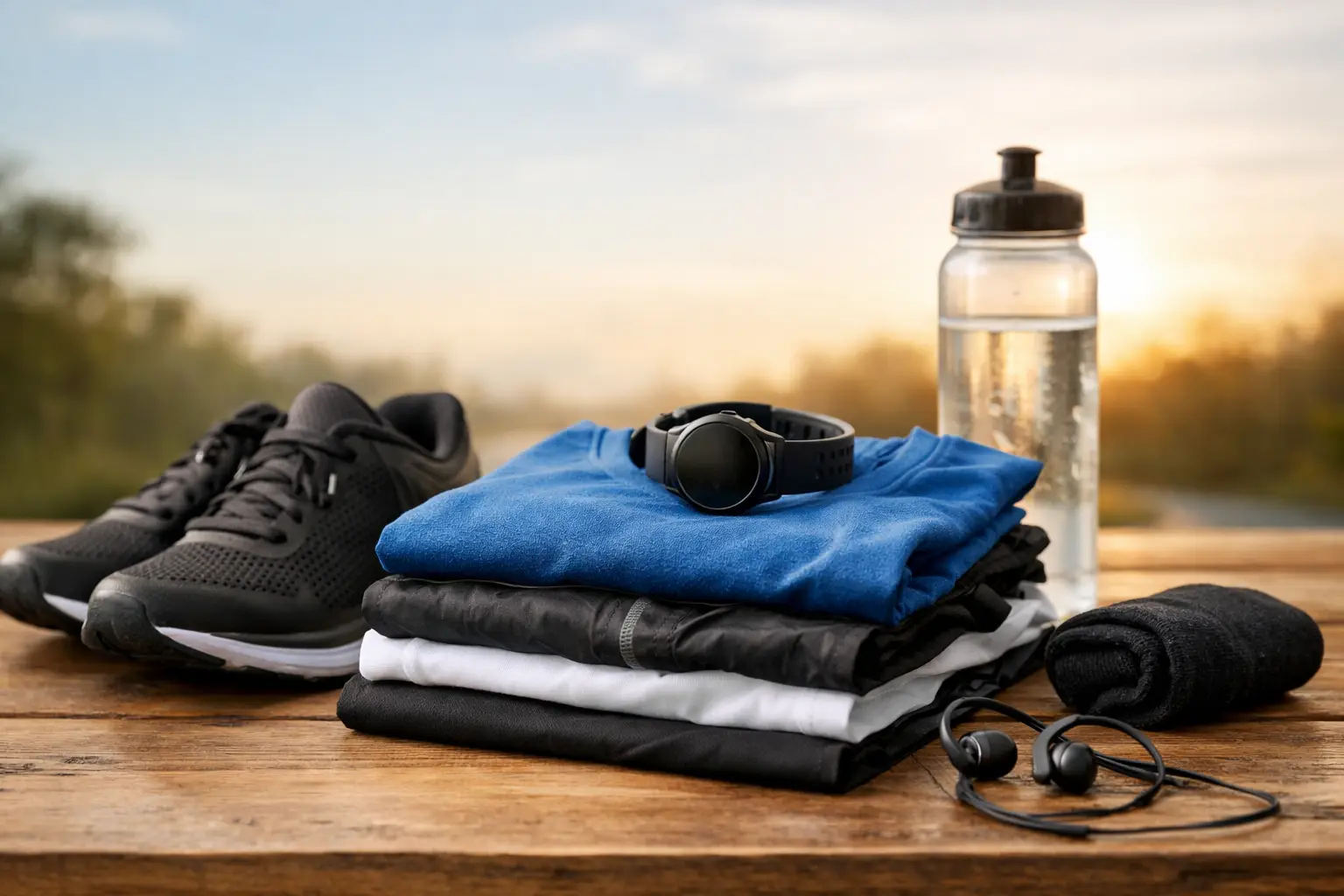
Your favourite running top should not feel disposable after one training block. Yet fast-fashion sportswear has trained us to accept bobbling, sagging waistbands, fading colour and fabric that loses its shape far too quickly. This guide to long lasting sportswear is about choosing kit that earns its place in your drawer – then caring for it well enough to keep it out of landfill.
For runners, durability is not about owning a massive wardrobe. It is about having fewer pieces you trust on wet Tuesday evenings, early starts and long weekend miles. Gear that stays comfortable, performs when conditions turn, and does not ask the planet to pay for your next run.
Start with purpose, not a pile of kit
The longest-lasting sportswear is usually the clothing you reach for repeatedly because it does a specific job properly. Before buying another top, pair of tights or layer, ask what gap it really fills. Do you need warmth for winter runs, a breathable layer for warmer miles, or a high-visibility option for dark roads? A clear answer prevents duplicate purchases that barely get worn.
Cross-functional kit is especially valuable. A well-made running layer that works for a park run, gym session, hike or walk to the shops will earn more wear than a trend-led item designed for one photo and little else. That is not an argument for making do with unsuitable gear. Running in the wrong fabric can cause chafing, overheating and discomfort. It is about buying with intention rather than buying on impulse.
Fit matters just as much as fabric. If a waistband rolls, seams rub or sleeves creep up, even the most sustainable garment will sit unused. Move in it before committing: lift your arms, bend, jog on the spot and check whether it stays put. The best piece is the one you will genuinely wear.
What makes running kit last?
A high price does not automatically mean a long life. Look instead for construction that can handle repeated movement, sweat and washing. Flat or carefully placed seams reduce friction and are less likely to become an irritation over distance. Secure stitching around high-stress areas – underarms, inner thighs, pockets and waistbands – is a good sign. Fabric should recover after being stretched, rather than staying baggy or thin.
Synthetic performance fabrics have a place in running because they dry quickly, manage sweat and stay light in the rain. Their trade-off is that they can hold odour and are vulnerable to heat damage. Natural fibres can feel excellent for lower-intensity training and everyday wear, but may stay damp longer. Blends can offer a useful balance. There is no single perfect material for every runner, season or session.
Pay attention to the details that usually fail first. Zips should run smoothly and have fabric behind them to prevent rubbing. Reflective elements should be properly integrated, not simply a flimsy surface print. Pockets need reinforced edges if they will carry keys, a phone or gels. In darkness, reliable accessories such as reflective straps, chest lights and rechargeable head torches can also extend the usefulness of your existing clothing without requiring an entirely separate night-running outfit.
Colour is a practical choice too. Darker shades often hide mud and road spray, while brighter layers improve daytime visibility. If you run near traffic, do not rely on colour alone. Purpose-built reflective or LED gear is more dependable when light levels fall.
Build a small rotation that works hard
Wearing the same item for every run may feel efficient, but it can shorten its life. Sweat, friction and frequent washing all take their toll. A modest rotation gives each piece time to air and recover, while ensuring you are not buying more than you need.
For most regular runners, two or three running tops, two bottoms suited to the season, dependable socks and an adaptable outer layer can cover a great deal. Add weather-specific pieces only where your routes and climate demand them. Someone running through a Northern Irish winter may need a warmer layer and reliable visibility kit; someone training in a hotter climate may prioritise lightweight, quick-drying fabrics and sun protection.
The aim is not minimalism for its own sake. It is a wardrobe with a job. Every item should solve a real running problem, work with other pieces and be worn often enough to justify its production.
Protect high-friction areas
Chafing can ruin a run and wear down clothing. Repeated rubbing at the inner thighs, underarms, bra line or waistband gradually weakens fibres as well as skin. The right fit is your first defence, followed by anti-chafe balm where you know friction happens.
Do not ignore a small issue because it seems minor. A seam starting to rub may be a sign that the garment is sitting incorrectly, the size is wrong, or the fabric has lost its recovery. Addressing it early can save both your skin and the item.
Wash sportswear for performance, not perfection
Overwashing is one of the quickest ways to shorten the life of technical clothing. Unless a piece is heavily soiled, muddy or particularly sweaty, air it out straight after your run rather than throwing it immediately into the wash basket. Turn it inside out, hang it somewhere ventilated and let moisture escape. Never leave damp kit scrunched in a gym bag, where bacteria and odour quickly build.
When it is time to wash, use a cool cycle and a small amount of mild detergent. Hot water, heavy-duty products and aggressive spin cycles can damage stretch fibres, fade colour and weaken bonded trims. Wash similar fabrics together and avoid rough items such as jeans, towels or clothing with zips that can snag lightweight running tops.
Skip fabric conditioner. It can coat technical fibres, reducing their ability to move moisture and making performance clothing feel less breathable over time. Bleach is equally harsh and rarely necessary. If odour persists, first check that the garment is drying fully between uses. Persistent smells can also be a sign that too much detergent is being used and leaving residue behind.
Air-drying is the easiest win. Tumble dryers expose elastic fibres, prints and reflective details to unnecessary heat. Hang tops and jackets on a rack, reshape them while damp and keep them away from direct radiators. For items with delicate elastane, laying them flat can help preserve their shape.
Repair before you replace
A loose thread, small hole or tired lace does not mean an item has reached the end. Small repairs are an act of common sense, not a compromise. Stitch a seam before it opens further, patch a snag before it becomes a tear, and replace worn laces rather than retiring shoes that still have useful life in them. No-tie elastic laces can be a practical upgrade for runners who want a secure fit without constantly retying knots.
Be realistic, too. There is a point where a worn-out shoe no longer provides the support or grip you need, and a damaged reflective item may no longer be safe for dark roads. Long-lasting sportswear is not about clinging to gear beyond its working life. It is about getting full, safe use from what you own, then finding the most responsible next step.
If an item cannot be repaired, look for textile recycling options where available. Do not assume every donation bag is the answer: heavily worn technical clothing is not always suitable for resale. Reuse it as a cleaning cloth only if that is genuinely useful, and make your next purchase count for longer.
A guide to long lasting sportswear means buying less, better
The most sustainable running kit is not necessarily the item with the loudest green claim. It is the piece that fits, performs, survives repeated wear and does not need replacing after a handful of runs. Ethical production and durable design should go together, not compete.
At 4R, based in Newry, we believe runners deserve practical gear that supports better miles without feeding the wasteful cycle of disposable fashion. Choose carefully, care consistently and expect your kit to show up for the long run. Your wardrobe, your running routine and the planet will all be better for it.