

Blog
Ethical Sportswear Wardrobe Swap Example

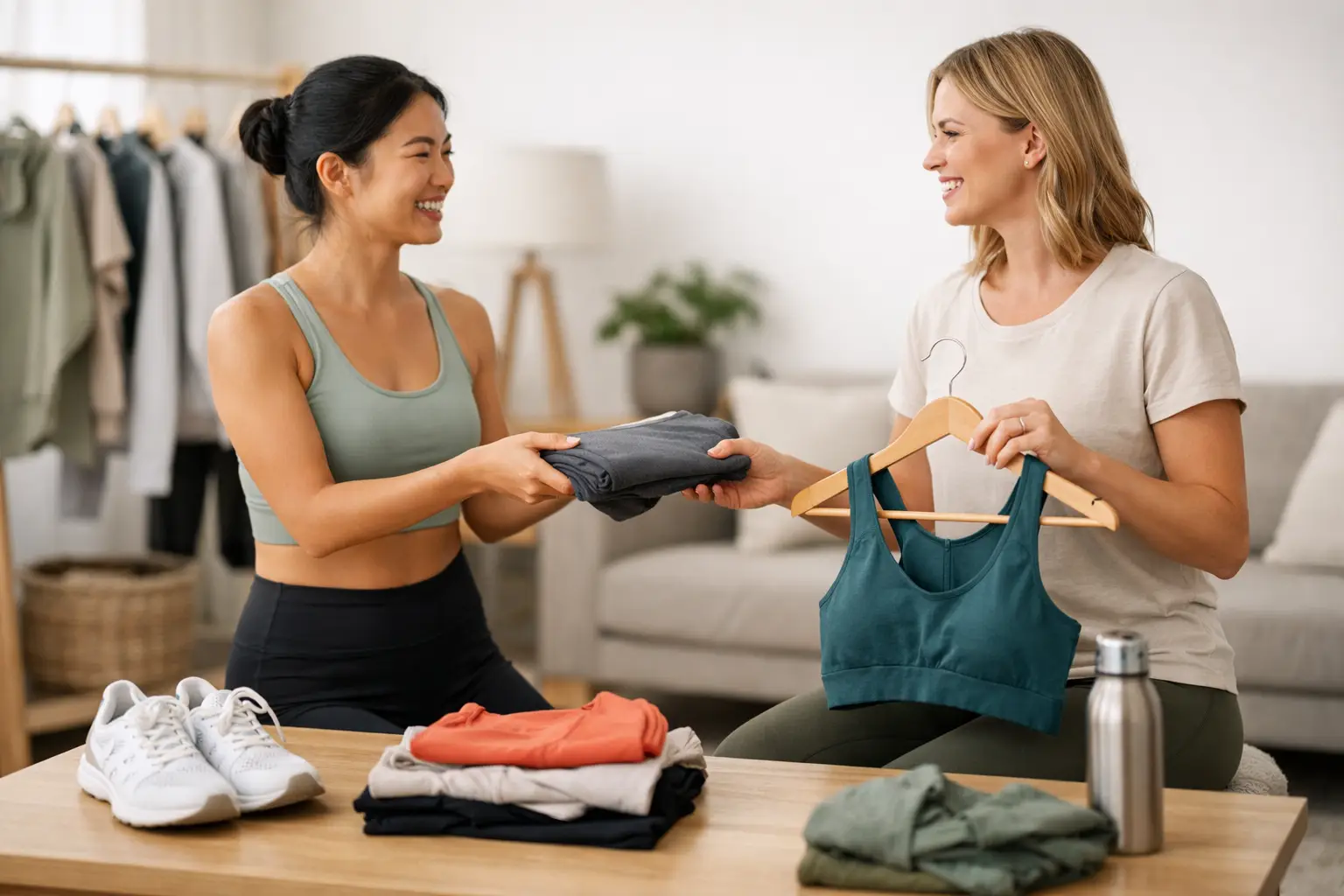
That drawer full of race T-shirts, stretched leggings and mystery polyester tops is not a running wardrobe. It is clutter that makes getting out the door harder. This ethical sportswear wardrobe swap example shows how to replace disposable kit with a smaller, harder-working rotation built for real miles, real weather and repeat wear.
The goal is not to bin everything you own and buy a new identity in recycled fabric. That simply creates another wave of waste. A better swap starts by using what still works, repairing what can be repaired, and replacing only the pieces that are genuinely holding back your comfort, safety or confidence.
Start with the kit that fails you
Pull out your running clothing and accessories, then be brutally honest. Which pieces ride up? Which tops stay damp long after a run? Which leggings have gone see-through? Which cheap head torch has let you down when the light fades?
Keep dependable items, even if they are not perfect. A serviceable old training top still has a place for muddy trails, gardening or an easy recovery jog. Put worn-out textiles aside for local textile recycling where available, rather than sending them straight to landfill. The items to replace first are the ones that create discomfort, need constant washing after one use, or fail when you need them most.
This matters because fast fashion trains us to treat a small annoyance as a reason to buy more. Runners need the opposite mindset: fewer decisions, better equipment and products that earn their space.
An ethical sportswear wardrobe swap example for runners
Imagine your current kit is built around quantity: six bargain tops, three pairs of leggings that do not fit quite right, worn socks, and a pile of novelty accessories. Your new wardrobe does not need to be huge. It needs to cover your weekly routine.
Here is what a practical swap can look like.
Swap a pile of flimsy tops for two dependable running layers
Rather than buying another multi-pack of lightweight tops that lose shape after a season, choose two well-made technical running tops. One can be short-sleeved for warmer days and gym sessions; the other can be long-sleeved for cool starts, layering and changeable conditions.
Look for a fit that lets you move freely at the shoulders, fabric that dries quickly, and construction that will tolerate frequent washing. If the product is made from lower-impact or recycled materials, that is a useful win, but longevity still comes first. A recycled top that needs replacing quickly is not the sustainable choice you hoped for.
Swap separate outfits for cross-functional pieces
The strongest running wardrobe pieces work beyond one narrow purpose. A simple technical tee can handle a lunch-break run, strength work, a weekend walk or travel. Comfortable shorts can cover intervals, parkrun and a gym session.
This is where colour helps. Choose two or three colours that work together, rather than collecting loud one-off prints that only match a single item. Black, navy, charcoal and a brighter layer for visibility make it easier to rotate kit without owning a mountain of it.
Swap painful basics for comfort that protects your run
Chafing is not a badge of honour. Nor is cutting a run short because your socks slip, your waistband rubs or your laces keep coming loose. Replace the specific weak points with functional gear that solves them.
Anti-chafe balm can prevent the skin irritation that turns a good long run into an uncomfortable week. No-tie elastic laces can make getting ready quicker and keep your fit consistent. These may be small purchases, but they can extend the usefulness of shoes and clothing you already own because you are no longer battling avoidable discomfort.
Swap poor visibility for gear you will actually use
Dark mornings and evenings are part of running across Ireland and the UK for much of the year. An all-black outfit may look tidy, but it does not do enough when you are sharing roads, paths and crossings.
Choose visibility equipment based on where and when you run. Reflective vest straps are lightweight and easy to add over existing clothing. An LED chest light can help others see you and can make you more visible from different angles. A rechargeable headlight is more useful for unlit paths, trails and early starts where you need to see the ground ahead.
Do not buy all three automatically. A well-lit urban route may call for reflective straps and a light, while a rural route may justify a more powerful rechargeable headlight. Buy for the conditions you actually face, then use the gear every time.
What makes a swap genuinely ethical?
The word ethical is often used as decoration. For a runner, it should lead to practical questions before checkout: Will I wear this often? Is it made with care for people and resources? Can I wash it without babying it? Does it replace something rather than add another duplicate? Will it still be useful next year?
No product has zero impact. Technical sportswear relies on materials, energy, dyeing, transport and packaging. That is why the most credible choice is rarely the item with the loudest green claim. It is the item with a clear purpose, a durable build and a realistic chance of becoming part of your regular rotation.
Ethical production matters too. Look for brands that are transparent about their approach to materials and manufacturing instead of hiding behind vague phrases. Be cautious of endless discounts, weekly launches and pressure to buy a complete new collection. Those tactics are designed to move volume, not to support a long-lasting wardrobe.
Price deserves a fair conversation. Better-made sportswear can cost more upfront, but expensive does not automatically mean responsible. The useful comparison is cost per wear. A £20 top worn twice is poor value. A £45 top worn every week for two years can be a much smarter purchase, provided it performs and lasts.
Build a rotation, not a shopping spree
A sensible starter rotation for an everyday runner might be two technical tops, two pairs of shorts or leggings suited to the season, supportive socks, one outer layer for weather changes, and visibility gear appropriate to the route. Add underwear, a sports bra where needed, and a second warm layer only if your training schedule requires it.
That is enough for many runners who wash kit regularly. If you run most days, live through wet winters or cannot wash clothing between sessions, add carefully. The right number is not a fixed formula. It depends on your mileage, climate, laundry routine and how much you use your kit for gym training or commuting.
Give every new item a job before you buy it. If it cannot replace, repair or clearly improve something you already have, leave it in the basket for 48 hours. Most impulse purchases do not survive that pause.
Make your better kit last
A wardrobe swap only works if the new rotation gets looked after. Wash running clothing at a lower temperature when care labels allow, turn items inside out, avoid excessive fabric conditioner and air dry rather than relying on high heat. These habits help technical fabrics keep their fit and performance for longer.
Treat accessories with the same respect. Recharge lights before they run flat, wipe down reflective straps after wet runs, and check elastic laces for wear before race day. Small maintenance routines prevent last-minute replacements and keep safety gear ready when you need it.
From Newry, 4R is built around this straightforward idea: runners deserve reliable gear without feeding the wasteful churn of fast fashion. Your wardrobe does not need more noise. It needs kit that supports the next run, the next season and the reasons you started moving in the first place.
Choose one failing item this week, replace it thoughtfully when the time is right, and put the saved decision-making energy into your next mile.