
Blog
Best Running Kit for Commuters Who Run to Work

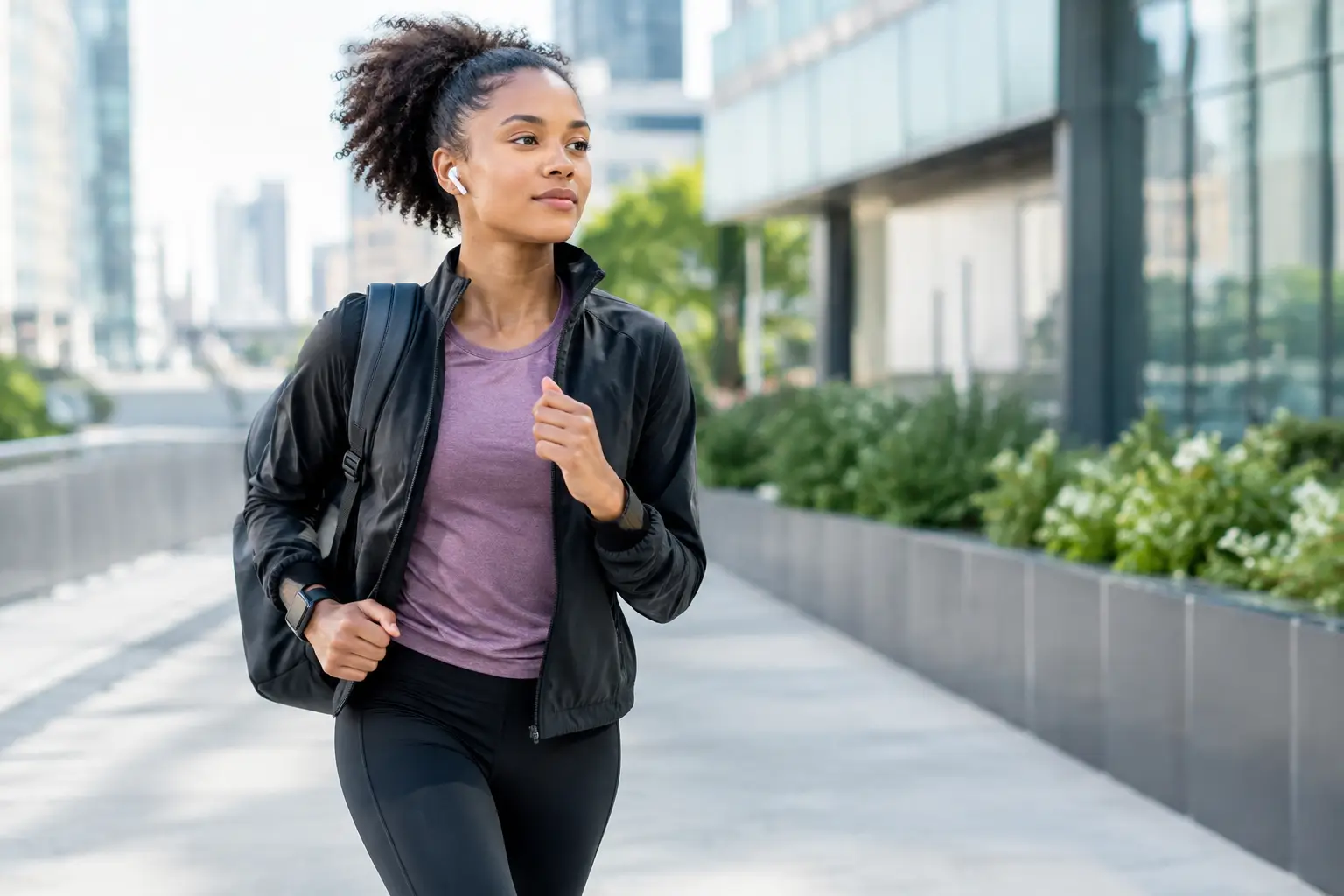
The best running kit for commuters earns its space before, during and after the run. It has to keep you visible on a dark morning, comfortable when the weather turns, and organised enough that arriving at work does not feel like moving house at 8am. The goal is not a drawer full of specialist gear. It is a small, dependable system that makes running to work the easiest choice.
For runners balancing trains, office hours, school drop-offs or a packed diary, practicality wins. Choose hard-working pieces that last, layer well and solve a real problem. That is better for your wallet, your routine and the planet than buying another disposable outfit for every new season.
What the best running kit for commuters must do
A commute run is different from a weekend 10K. You may begin in cold rain, warm up quickly under a rucksack, then need to look presentable at your desk. You are also more likely to run near traffic, cross roads repeatedly and travel outside daylight hours.
Start with three priorities: comfort, visibility and carrying capacity. If one is missing, the habit becomes harder to keep. A brilliant technical top is no use if your pack bounces. A big rucksack is no good if it leaves you drenched in sweat. And dark kit without lighting is a poor compromise when drivers, cyclists and other pedestrians need to see you.
The right setup depends on distance and facilities. If you have showers and a locker at work, you can travel lighter. If there is no changing room, plan for a compact towel, deodorant and fresh clothes in your bag, or leave them at the office the day before. A five-kilometre run in town requires less than a 15-kilometre route along unlit roads, so build for your actual journey rather than an imagined one.
Start with clothing that works harder
Your base layer should move sweat away from the skin and dry quickly. Avoid cotton for the run itself. It holds moisture, can feel heavy under a pack and gets cold once you stop. A breathable recycled technical tee or long-sleeve layer gives you a much better chance of arriving comfortable.
For cooler mornings, think in layers rather than one bulky jacket. A light long-sleeve top and a packable windproof outer let you adjust as your body temperature rises. In persistent rain, a properly weather-resistant shell is worthwhile, but remember that no jacket can fully compensate for overheating. Ventilation matters, particularly when you are carrying a laptop or a change of clothes.
Legwear should be chosen for movement and weather, not office modesty. Shorts are often right for all but the coldest days, while tights offer warmth and coverage in winter. Look for secure pockets for a key or phone if you do not want to stop and dig through your pack at every crossing.
One non-negotiable is anti-chafe balm. Rucksack straps, waistbands, inner thighs and sports bra edges can become painfully obvious several kilometres into a commute. Apply it before you leave, not once irritation has started. A small tin lasts a long time and prevents a minor friction point from knocking you off your routine for days.
Choose fewer, better layers
Commuter kit does not need to be replaced every time the marketing calendar changes. Prioritise durable fabrics, sensible construction and colours you will genuinely wear. Black may feel practical, but a brighter layer or reflective detail can make far more sense for winter road running.
This is where slow fashion is practical, not preachy. The most sustainable running top is one you use repeatedly, wash carefully and keep in rotation for years. Buy for utility. Reject the fast-fashion churn that turns activewear into landfill after a handful of outings.
Be impossible to miss in low light
Visibility is not an optional extra for autumn and winter commuting in Britain and Ireland. Grey mornings, rain and low sun can reduce contrast just as much as darkness. Reflective details help when a vehicle’s headlights hit them, but they do not create light by themselves.
A rechargeable chest light or head torch helps you see the pavement, potholes and uneven paths. It also helps others see your movement from the front. For routes shared with traffic, add reflective vest straps over your outer layer. They are light, adjustable and easier to use across several jackets than buying separate high-visibility tops.
A strong commuter lighting setup has light at more than one height. A chest light makes your torso visible; a head torch directs useful light where you are looking. If your route includes unlit towpaths, country lanes or parks, this combination is far safer than relying on street lighting that may not be there.
Charge lights as part of your evening routine. Put them beside your keys or running shoes after each use. Rechargeable gear is practical only when it is ready, and a two-minute habit removes the frustration of discovering a flat battery at the front door.
Carry work essentials without fighting your bag
A running rucksack should sit close to your body, with adjustable chest and waist straps to stop movement. Test it with the weight you will actually carry. A pack that feels fine with a water bottle may bounce badly once a laptop, shoes, lunch and spare clothes are inside.
Keep your load disciplined. Where possible, leave shoes, toiletries and a backup outfit at work. Wear your bulkiest item rather than packing it, and choose a light microfibre towel if you need one. For a longer commute, a water-resistant compartment or dry bag for electronics and paperwork is a sensible safeguard.
Think about the weight of a laptop honestly. Running with one is possible for many people, but it changes your posture and puts more load through your shoulders. If you can leave it at work, use cloud-based tools, or commute on a day without it, do so. If not, shorten the run at first and build up gradually.
Small essentials that save a run
A no-tie elastic lace system is a modest upgrade with a big commuter benefit. It keeps shoes secure without stopping to retie laces in rain, and it makes quick changes easier if you keep a second pair of shoes at work. Carry a card, phone, keys and an emergency contact detail in a secure, easily reached pocket.
In colder months, gloves and a lightweight hat offer more value than an extra heavy layer. They are easy to remove and stash once you warm up. In warm weather, pack a small amount of sunscreen if your journey happens in bright daylight, particularly for exposed routes.
Make the route and kit work together
The fastest route is not always the best running route. A slightly longer path with better pavement, fewer blind junctions and consistent lighting may be the smarter choice. Run it in daylight first if possible. Notice puddles, road crossings, narrow sections and places where you could shelter if the weather becomes severe.
Your kit should support that route. If it includes canal paths, parks or poorly lit suburban streets, prioritise lights and reflective straps. If it is mostly city pavement, footwear with reliable grip and a secure pack may matter more than trail-ready protection. If you use public transport for one leg, choose layers that pack down and do not leave you overheated on a crowded carriage.
Have a backup plan for extreme weather. This is not a failure of commitment. It is sensible running. Keep a travel card, phone charge or enough money for transport, and be willing to swap a dangerous icy run for a safer session later.
Build your commuter kit over time
You do not need to buy everything at once. Begin with the essentials that remove the biggest barrier on your route: comfortable sweat-wicking clothing, shoes that suit your gait, secure carrying capacity and visibility gear. Add weather layers, lighting and convenience accessories as your habit settles.
4R was built in Newry around that same principle: functional running gear should be reliable, affordable and made to be used, not endlessly replaced. A well-chosen rechargeable light, reflective straps and anti-chafe balm can support hundreds of runs without demanding more clutter from your life.
Check your kit every few weeks. Wash technical clothing on a gentle cycle, air-dry it where possible, inspect reflective details and test light charge levels. Replace worn components when performance or safety drops, not because a new colourway has arrived.
The best commute run is the one that still feels possible on a wet Wednesday. Lay out your clothes the night before, charge your lights, pack only what you need and give yourself permission to start small. A reliable kit turns that narrow window between home and work into time that belongs to you.