

Blog
Best Running Clothing for Travel That Packs Light

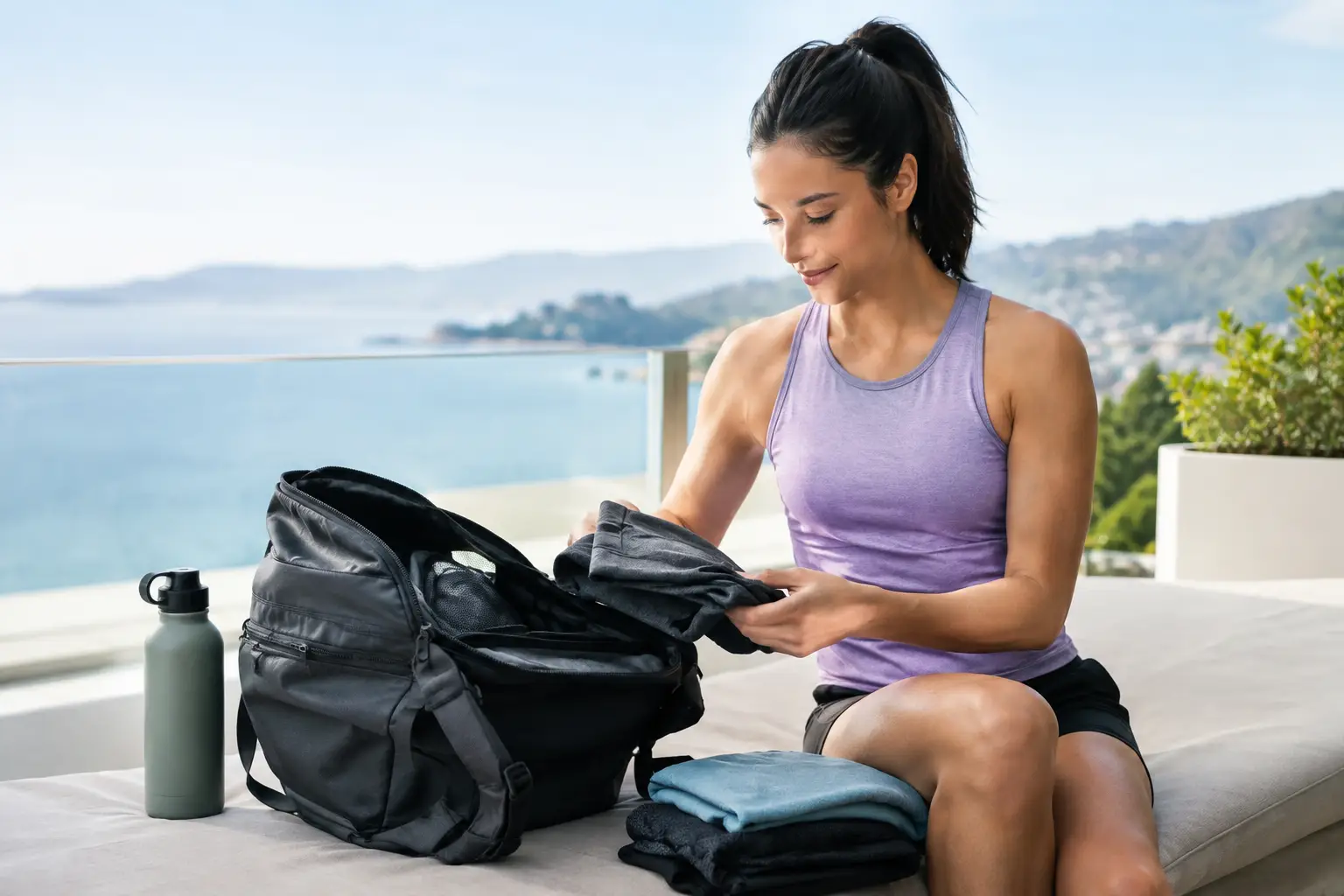
A run can be the quickest way to understand a new place. It might be a quiet loop before breakfast, a canal path after a long flight, or ten steady minutes to shake off a day in meetings. The best running clothing for travel makes that run easy to say yes to. It fits into a small bag, works across changing weather, dries quickly and earns its space long after the journey home.
That last part matters. Travel kit should not be a pile of cheap, single-purpose sportswear bought in a panic and discarded when the holiday ends. Choose hard-working pieces that support your running, reduce what you carry and stay useful for years. Less luggage, less waste, more freedom to move.
What the Best Running Clothing for Travel Must Do
Packing for a run is different from packing for a race. At home, you can choose from every layer in the drawer. Away, each item needs to cover more ground. A dependable travel running wardrobe should be comfortable enough for easy miles, practical enough to wash in a hotel sink and adaptable enough for an unexpectedly cool evening.
Start with fabric rather than a logo. Look for soft, breathable materials that move sweat away from the skin and dry overnight in a well-ventilated room. Avoid heavy cotton for your main running layer. It can feel pleasant at the start, but it holds moisture, dries slowly and becomes uncomfortable once the pace or temperature rises.
Fit is equally important. Clothes that chafe during a familiar five-kilometre route will be even more frustrating when you are jet-lagged, navigating unfamiliar streets and unable to swap them out. Test your travel kit before you leave. Run in it, wash it, pack it tightly, then wear it again. Reliability is built before departure.
The best choices also work beyond the run. A clean, understated technical tee can suit a travel day or a gym session. Lightweight shorts can double as swim shorts if their design allows it. A simple mid-layer can handle a cool morning jog and a walk to dinner. This is not about making one item do everything badly. It is about refusing a wardrobe full of items that do one narrow job.
Build a Small, Flexible Running Kit
For most trips, two running outfits are more useful than five. One can dry while the other is ready to wear. That approach saves space and stops you from treating clothing as disposable. Your exact selection depends on climate, trip length and how often you expect to run, but the principle stays the same: pack layers that combine well.
The base layer: comfortable next to skin
Bring one or two lightweight technical tops with a smooth feel and enough length to stay put while you move. If you are travelling somewhere hot, prioritise breathability and a relaxed, non-clingy fit. For cooler destinations, a close-fitting long-sleeve layer gives warmth without the bulk of a sweatshirt.
Dark colours can be practical for repeat wears, but do not make every item black. If you will run near roads at dawn or after dark, brighter clothing and reflective details make you easier to spot. Visibility should never be left to luck or a streetlight that may not exist.
Shorts or tights: choose the climate, not the trend
A pair of lightweight running shorts is the most versatile bottom for warm-weather travel. Choose a design that does not ride up, has secure storage for a key or card, and remains comfortable when damp. If you know rubbing is an issue, take it seriously. A familiar pair of longer shorts, fitted shorts or tights can be worth more than the tiniest possible pack size.
For mixed conditions, full-length tights may be unnecessary bulk. A pair of leggings or running tights is a better call when the forecast is consistently cold, you are heading to higher ground, or you prefer coverage for early starts. Otherwise, shorts plus a light outer layer usually give more options.
A light layer for wind, drizzle and cold starts
A featherweight running jacket is one of the strongest additions to a travel bag, especially for the UK, Ireland and much of northern Europe where the morning can change quickly. It should cut the wind, fit over a base layer and pack down small. It does not need to be a heavy waterproof shell unless the trip calls for proper rain and long time outdoors.
There is a trade-off here. Highly waterproof fabrics can trap heat during faster running, while highly breathable layers may not withstand sustained rain. Match the jacket to the run you will genuinely do. For a half-hour city jog, packability and ventilation often matter more than expedition-level weather protection.
Socks and underwear: small items, big consequences
Do not fill a bag with spare tops and then wear unsuitable socks. Two or three pairs of running-specific socks take up almost no space and can prevent blisters, bunching and soggy discomfort. Choose pairs that stay in place and dry quickly.
The same goes for underwear or fitted running shorts. This is where good travel running kit protects your mood as much as your skin. A small anti-chafe balm is also an intelligent addition, particularly for humid destinations, longer runs or anyone who already knows where friction strikes. It weighs next to nothing and can save a run completely.
Do Not Forget Visibility and Safety
Travel often changes when you run. You may have to go before a family day out, after a conference, or in the only cooler window of a hot afternoon. Those times can mean low light, unfamiliar pavements and road users who do not expect a runner.
A reflective vest strap is compact, adjustable and far easier to pack than a second high-visibility jacket. Add a rechargeable chest light or headlight if you may run in the dark. A light positioned on the body helps you see uneven paths, puddles and kerbs, while reflective details help others see you. Neither replaces sensible route choices, but both give you more control.
Before heading out, check the route in daylight if possible. Stay on populated, well-lit paths when you are unfamiliar with an area, take a mobile phone and identification, and let someone know roughly where you are going. Running abroad should feel liberating, not careless.
Pack for Laundry, Not for Every Day
The smartest travel runners plan a simple wash routine. After a run, rinse clothing promptly with cool or lukewarm water and a small amount of soap. Press out water in a towel rather than aggressively twisting technical fabric, then hang items where air can circulate. A shower rail in a steamy bathroom may not dry anything quickly, so use a chair near an open window or a ventilated area where possible.
Quick-drying kit makes this routine realistic, but it also asks for honesty. If an item still smells or feels damp, give it another wash and more time. Packing three weeks’ worth of running clothes for a week away is not preparation. It is unnecessary consumption and extra weight on every leg of the journey.
A reusable laundry bag keeps used kit separate from clean clothing and helps you avoid the common mistake of leaving damp socks at the bottom of a suitcase. It is a modest addition that keeps the rest of your packing calmer.
Shoes Matter, But They Do Not Need to Dominate
Running shoes are usually the bulkiest item in the bag, so wear them while travelling when it makes sense. If they are your only trainers, choose a dependable daily pair that can handle easy runs, walks and airport miles. You do not need a fresh pair for each activity.
That said, do not force a worn-out or unsuitable shoe into service merely to save room. If the route includes trails, wet ground or serious elevation, use footwear built for it. If you are travelling for a race, bring the shoes you have trained in rather than gambling on a new pair. A compact set of no-tie elastic laces can also be useful when you want a secure fit without repeated adjustments on the move.
Buy Fewer Pieces That Keep Showing Up
Travel exposes the difference between clothing that photographs well and clothing that performs. The useful items are the ones you reach for on a rainy Tuesday at home, then pack without thinking for a weekend in Lisbon or a work trip to Berlin. They wash, wear and repeat without losing their shape, comfort or purpose.
That is the standard worth holding brands to. At 4R, based in Newry, Northern Ireland, we believe runners deserve functional gear that does not rely on wasteful fast-fashion cycles. Durable, ethical kit should be accessible, not a premium reserved for a few.
Pack the pieces you trust, leave room for the journey and give yourself the option of a run wherever you wake up. A lighter bag can make it much easier to move.