

Blog
Best Ethical Activewear for Beginners Who Run

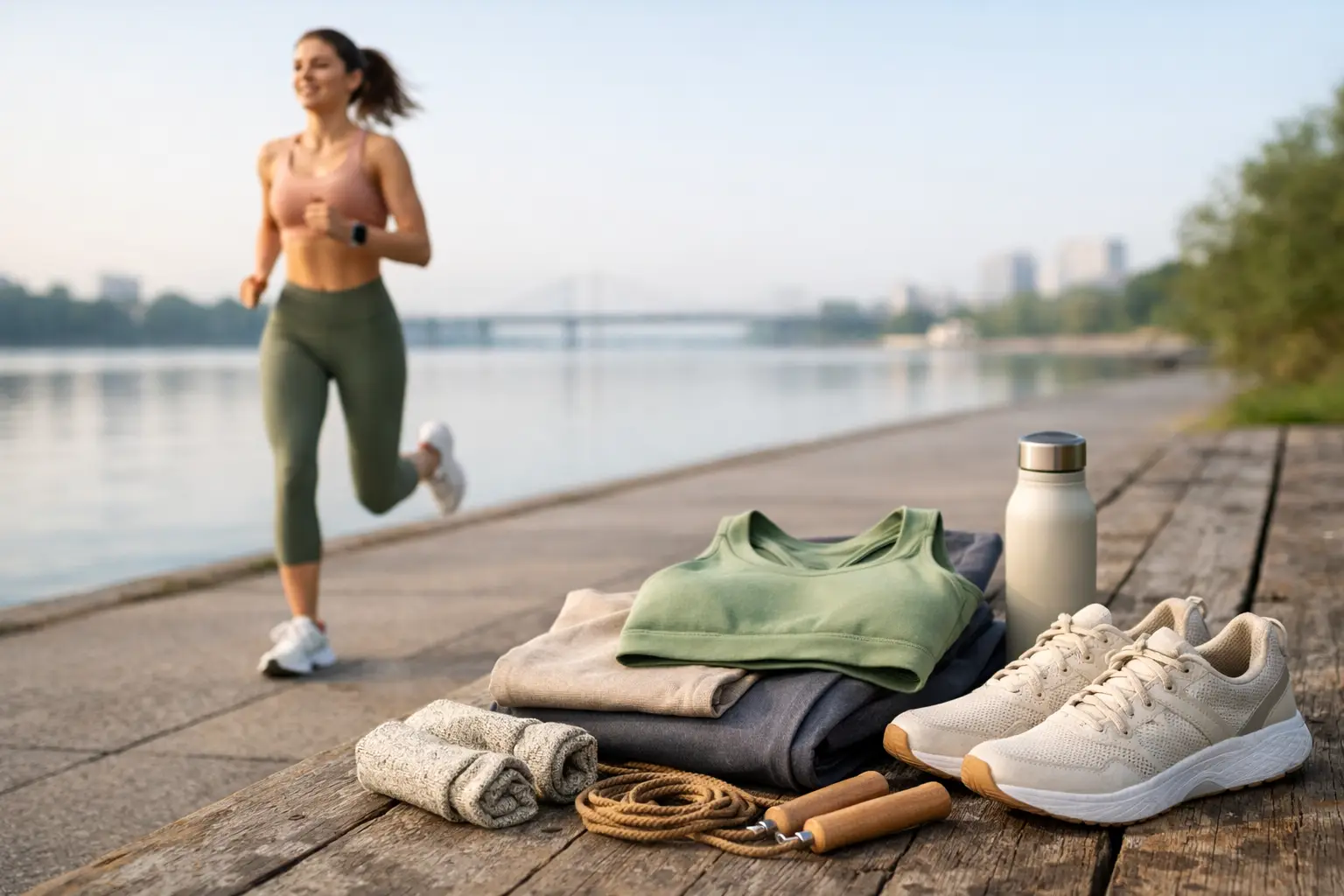
Your first few runs should be about finding your rhythm, not fighting a waistband that rolls down or a top that stays soaked long after you stop. The best ethical activewear for beginners earns its place in your drawer by doing both jobs well: it helps you move comfortably and it is made to be used, washed and worn again.
Ethical kit is not a badge you collect through one perfect purchase. It is a practical choice to buy less, choose better and avoid disposable gear that gives up before your running habit has had the chance to grow. Start with what you need, learn what works for your body and build from there.
What makes activewear genuinely ethical?
A recycled-fabric label can be a positive sign, but it is not the full story. Ethical activewear considers the people who make it, the materials used, the lifespan of the product and what happens when it is no longer wearable. A brand should be willing to be clear about these things rather than hiding behind vague words such as “conscious” or “eco-friendly”.
For a beginner runner, durability matters just as much as fabric credentials. The most sustainable running top is not necessarily the one with the cleverest marketing. It is the one you still reach for next year because it fits well, handles regular washing and does not lose its shape after a few sessions.
There are trade-offs. Synthetic fabrics can be useful for sweat-wicking performance and long product life, yet they are derived from fossil fuels and can shed microfibres. Natural fibres may feel great, but some are less suited to repeated high-sweat training or need more careful care. Look for thoughtful material choices, solid construction and a clear plan to make products last. That is a stronger starting point than chasing a flawless claim.
Best ethical activewear for beginners: start small
You do not need a matching wardrobe to begin running. In fact, buying a large haul before you know your routine is one of the quickest ways to create waste. A small rotation of reliable pieces gives you more useful options and a clearer idea of what you need next.
Start with a comfortable technical T-shirt or lightweight long-sleeve layer, a pair of shorts or leggings that stay put, supportive socks and shoes suited to your feet. Add layers and accessories when your running conditions demand them. If you run before work, after dark or through the winter, visibility and lighting quickly become essentials rather than extras.
Choose colours and styles you will genuinely wear. A versatile black layer, a well-cut pair of shorts or leggings and a reflective outer layer can work across running, walking, gym sessions and weekend errands. Cross-functional kit reduces the need for a separate outfit for every activity.
Prioritise fit over the size on the label
A good fit prevents distractions. Shorts should not ride up, leggings should not become see-through when you squat or stretch, and seams should sit away from areas that rub. Move around in a garment before committing to it. Lift your knees, bend, reach and jog on the spot.
Sizing varies between brands, so measurements are more useful than loyalty to a number. If you are between sizes, think about the intended use. A relaxed outer layer may work better with room for a base layer underneath, while fitted shorts need enough security to stay in place without digging in.
Check construction where it counts
Beginners often focus on fabric first, but construction is where cheap activewear tends to show its weaknesses. Check for flat or carefully positioned seams, secure stitching and waistbands that recover after stretching. Pockets, if included, should hold essentials without bouncing wildly.
Small details make a real difference over a 5K. A zip that chafes at the neck, a rough label or a poorly placed seam can turn an otherwise good run into an uncomfortable one. Reliable kit is not about looking technical. It is about removing obstacles so you can focus on the next step.
How to assess a brand before you buy
You do not need to become a supply-chain investigator. You do need to be alert to the difference between evidence and advertising. A responsible brand should make it reasonably easy to understand how it approaches manufacturing, worker welfare, materials and product longevity.
Look for specific information on where products are made and the standards or relationships behind production. Check whether a brand explains why it uses particular fibres, how it reduces waste or how it expects you to care for the garment. Honest communication includes limits too. No clothing has zero impact, and brands that acknowledge this are often more credible than those promising guilt-free consumption.
Price can also tell part of the story, though expensive does not automatically mean ethical. Ultra-cheap activewear is difficult to square with fair labour, quality materials and durable construction. At the same time, sustainable running gear should not be reserved for luxury shoppers. The best value is a fair price spread across hundreds of comfortable runs.
Be wary of permanent discounting that pressures you to buy more than you need. A sale can be useful when replacing a worn-out essential, but a bargain is not a bargain if it sits unused at the back of a drawer.
Buy for your actual running conditions
The best ethical choice is always shaped by use. Someone starting with two lunchtime runs a week needs different kit from someone training through wet, dark winter mornings. Buying for your real routine stops both under-preparing and overbuying.
For warm-weather runs, prioritise breathable, quick-drying layers that do not cling heavily when wet. A cap may be worthwhile if you run in strong sun. For cooler weather, use simple layers rather than one bulky item. A base layer manages sweat, while a lightweight outer layer offers protection when the temperature drops or the wind picks up.
If you run in low light, make visibility non-negotiable. Reflective details help drivers and cyclists spot you when light catches them, while an LED chest light or rechargeable headlight helps you see the path ahead. These are practical safety tools, especially on unlit routes. Choose rechargeable options where possible and look after them so they last.
Comfort tools count too. Anti-chafe balm can prevent skin irritation on longer or warmer runs, and no-tie elastic laces can make shoes easier to adjust and more secure. They may seem minor, but beginner confidence grows when you are not stopping to deal with rubbing, loose laces or poor visibility.
Make every piece last longer
The most ethical purchase is often the one you do not need to replace. Care is not glamorous, but it protects your investment and lowers the impact of every run.
Wash activewear only when it needs washing, using a cool cycle and a mild detergent. Avoid fabric conditioner, which can reduce the effectiveness of moisture-wicking fabrics. Turn garments inside out, close zips and let them air dry rather than exposing elastic fibres to repeated high heat. A wash bag designed to capture synthetic microfibres can also help reduce what enters waterways.
Treat stains and odours early instead of repeatedly rewashing a whole load. Rotate between two or three running outfits so each item has time to dry fully. When something develops a small hole or a loose seam, repair it before it becomes unwearable. These modest habits make a bigger difference than constantly replacing kit with the latest drop.
Build a running wardrobe, not a shopping habit
Running has a way of changing your needs. You may begin with short, easy efforts, then discover you love trail routes, parkruns or early-morning miles. Let your kit grow with that journey. After a few weeks, notice what causes irritation, what you wash constantly and what you never wear.
Then make one considered addition at a time. Perhaps it is a second pair of shorts to make laundry easier, a warmer layer for winter or visibility gear for darker evenings. This approach saves money, reduces waste and gives every item a clear purpose.
4R believes runners should not have to choose between dependable performance and better principles. Choose kit that supports the run you are doing now, care for it properly and let every mile prove why buying less, but better, is a powerful place to start.