
Blog
Beginner Running Kit: Buy Less, Run Better

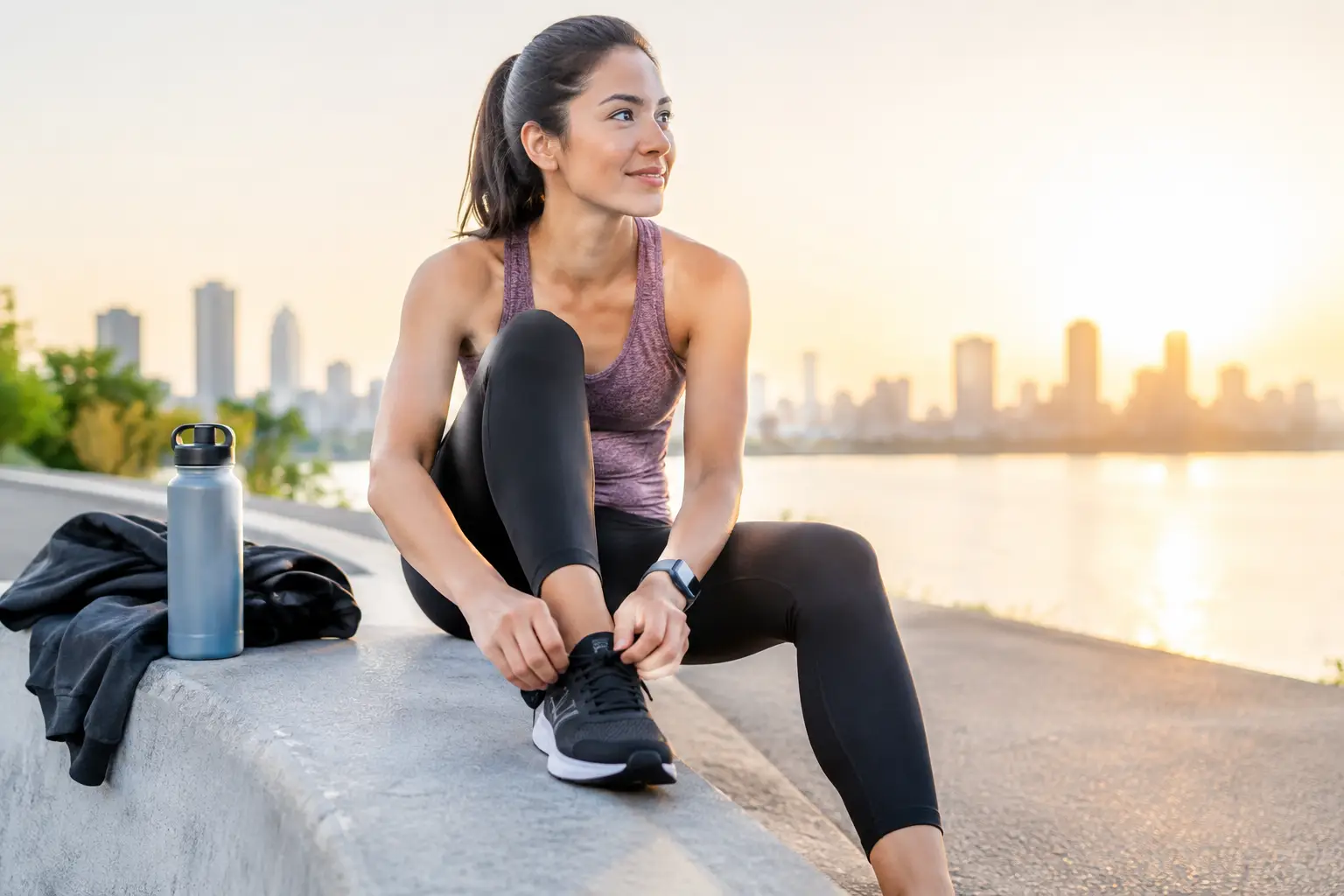
Your first run should not be a negotiation with a slipping shoelace, sore skin or a top that feels soaked after ten minutes. A good beginner running kit is not about looking like a sponsored athlete. It is about removing the little irritations that make it easier to stop.
Start with dependable essentials, use what you already own where it works, and add practical gear as your running grows. That approach is better for your bank balance, your confidence and the planet.
What belongs in a beginner running kit?
Running is brilliantly simple. You need a safe route, enough time to move at your own pace and footwear that suits your feet. Everything else should earn its place.
The foundation is a pair of properly fitting running shoes. This is the item worth taking time over. Feet vary hugely in width, arch shape and comfort needs, so there is no single “best” shoe for every new runner. Try shoes on where possible, leave a thumb’s width in front of your longest toe, and walk or jog lightly in them before committing. A shoe that feels good on day one is usually a better bet than one chosen for its badge or colourway.
Next, wear socks that stay put and manage moisture. Thin running socks can reduce rubbing, but they do not need to be expensive. Avoid worn-out cotton pairs for longer runs if they hold sweat and bunch under your foot. Blisters are a fast way to turn enthusiasm into a rest week.
For clothing, think comfort before a matching outfit. A breathable running top with shorts, leggings or a skort that allows a full stride will cover most sessions. Choose fabric that dries quickly and does not become heavy with sweat. If you need extra support, a well-fitting sports bra is performance kit, not an optional extra. It should feel secure without restricting your breathing or digging into your shoulders.
A lightweight layer is useful in British and Irish weather, where a bright start can become cold rain before you reach the turnaround point. You do not need a wardrobe for every forecast. A comfortable base layer and one packable outer layer will take you a long way.
Buy for your real runs, not an imaginary lifestyle
It is easy to fill an online basket with gadgets before you have completed your first 5K. Resist that pressure. Most beginner runners do not need a GPS watch, carbon-plated shoes, compression boots or a cupboard full of technical outfits.
A mobile phone is enough to time an early run if you want to track it at all. Many runners are better off ignoring pace for the first few weeks and using a simple run-walk plan. You are building the habit, not auditioning for a podium.
The same goes for clothing. Two or three outfits that you genuinely enjoy wearing are more useful than ten cheap pieces that lose shape, trap odour or fall apart after a few washes. Fast-fashion sportswear often looks like a bargain until it needs replacing within a season. Durable kit means fewer purchases, less waste and gear you can trust when the weather turns.
At 4R, that is the standard we believe runners deserve: functional gear with a purpose, made to be used again and again rather than treated as disposable.
Make comfort part of your running kit
The discomfort beginners expect is usually effort: breathing harder, warm legs, a raised heart rate. The discomfort you should address is rubbing, bouncing, pinching and distraction.
Chafing can catch out anyone, particularly on longer runs or wet days. Skin-on-skin friction, damp seams and waistbands that move as you run can all cause it. Apply anti-chafe balm before the run to areas that tend to rub, such as thighs, underarms, bra lines or around the feet. It is a small addition that can make the difference between finishing comfortably and limping into the shower.
No-tie elastic laces are another modest upgrade with a real payoff. They keep your shoes secure without mid-run knots, while making it easier to get the fit right across the top of the foot. Do not crank laces down too tightly in pursuit of security. If your toes go numb or the top of your foot aches, loosen and adjust them.
Pay attention after each run. A recurring hot spot, blister or sore seam is feedback from your kit. Change one thing at a time so you can identify the cause. More expensive is not always more comfortable, and the right solution is often surprisingly simple.
Stay visible when daylight is short
Visibility is not a winter-only concern. Early mornings, cloudy evenings, shaded paths and rainy weather can all make runners difficult to spot. If you run near roads, shared paths or crossings, being seen is non-negotiable.
Reflective vest straps are a lightweight starting point because they sit over the clothing you already own. They make your moving body easier to notice in car headlights without forcing you into a bulky jacket. Bright colours help in daylight, but reflective details are what work when light is low.
For darker routes, add your own light. A rechargeable headlight helps you see uneven ground, puddles, kerbs and changes in surface. An LED chest light can be a better choice for runners who dislike the bounce or pressure of a head strap. Whichever you choose, charge it before heading out and test it indoors first. A light is only useful if it stays on for the full run.
Do not assume a well-lit street makes you fully visible. Drivers may be tired, dealing with rain on the windscreen or focused on traffic. Give yourself space at junctions, make eye contact where you can and choose routes with pavements or paths when possible. Your kit supports sensible decisions. It does not replace them.
Build a kit that handles changing weather
You do not need to cancel every run because conditions are less than perfect. You do need to dress for the conditions you actually have, rather than for the temperature shown on your mobile phone while you are indoors.
In cool weather, start slightly chilly. You will warm up quickly once running. A breathable long-sleeve top or light layer is usually better than a thick, heavy sweatshirt that becomes clammy. In rain, choose a light outer layer that cuts wind and showers, but accept that no jacket will make a long wet run feel completely dry.
In warmer weather, prioritise airflow, sun protection and hydration. A short, easy run may not require you to carry water, but longer outings and hot conditions are different. There is no prize for being underprepared. Plan a route past a water source, carry a small bottle, or keep the distance modest until you know how your body responds.
Wash your kit promptly when you can, but follow care labels and avoid excessive heat. Looking after clothing extends its life. That is slow fashion in action: buying less, choosing well and keeping good gear in use.
Add extras only when your routine demands them
Once you are running regularly, your kit can develop with your habits. If your routes get darker, visibility gear moves from useful to essential. If you begin travelling to parkrun or carrying a mobile phone and keys, a secure pocket or running belt may become worthwhile. If longer distances expose rubbing, anti-chafe balm becomes part of your pre-run routine.
Let real experience guide each purchase. Ask what is getting in the way of your next run. Is it low visibility, wet feet, loose laces, chafing or simply not having clean gear ready? Solve that problem, then stop. A thoughtful kit is lighter on the planet and far more useful than a pile of abandoned purchases.
Your running journey does not begin when every item is perfect. It begins when you lace up, step outside and give yourself permission to start slowly. Choose gear that helps you feel safe and comfortable, then let the miles do the rest.