

Blog
Are Rechargeable Running Lights Waterproof?

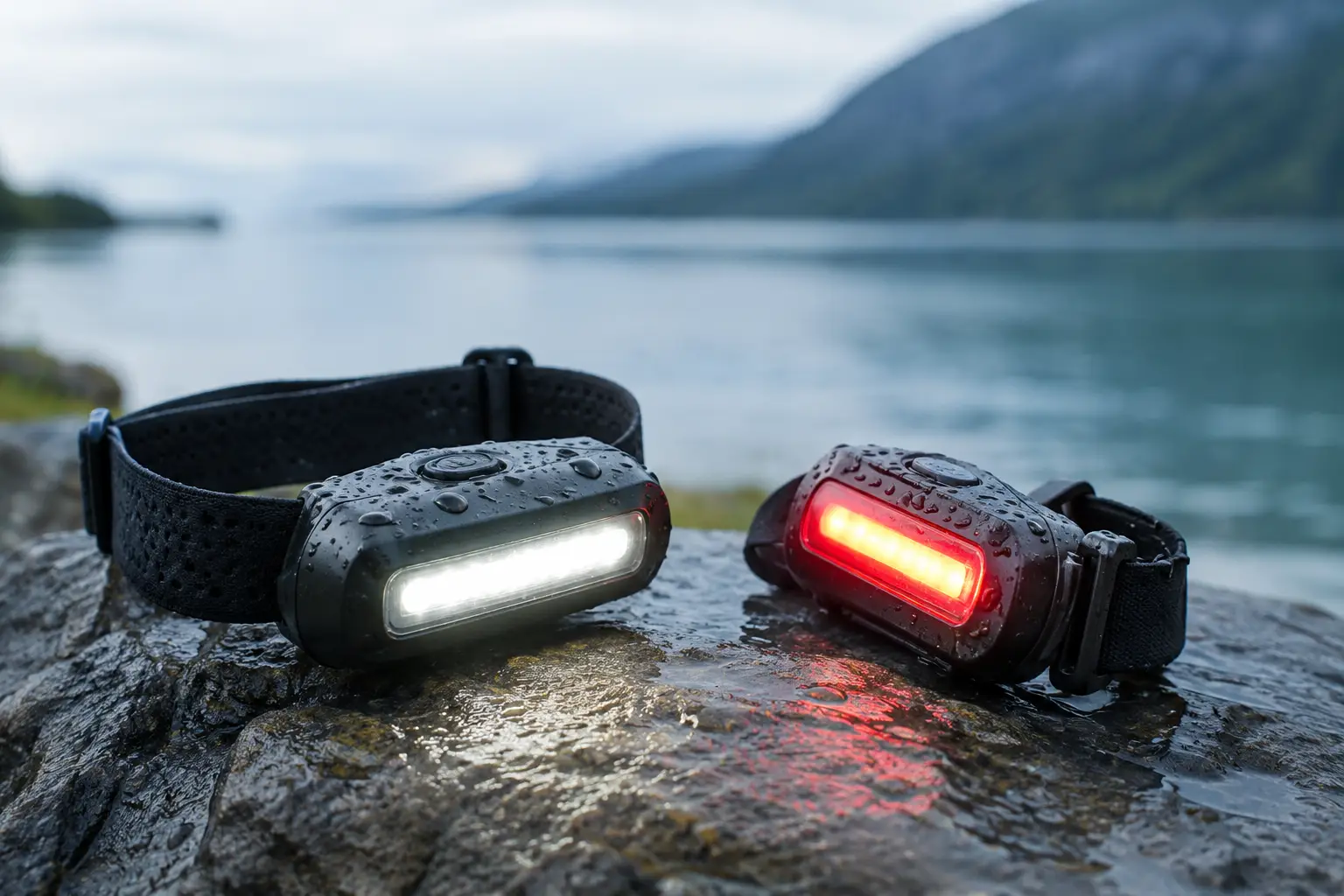
A wet Tuesday evening should not be enough to cancel a run. But if you have ever watched rain bead around a charging port or seen a light flicker after a stormy session, you will rightly ask: are rechargeable running lights waterproof? The honest answer is that it depends on the light and its IP rating. Many rechargeable running lights are built to handle rain, sweat and road spray. Far fewer are designed to survive full submersion.
That difference matters. Good visibility gear should give you confidence when daylight disappears, without becoming another short-lived accessory headed for the bin. Understanding what your light can handle helps you run safer, look after your kit properly and buy once with more purpose.
Are rechargeable running lights waterproof or water-resistant?
The terms sound similar, but they do not mean the same thing. A water-resistant light can cope with some moisture. A waterproof light has been tested to resist water at a stated level, usually against powerful spray or temporary immersion.
For runners, water resistance is often enough. Your chest light, headtorch or clip-on LED needs to keep working through a shower, persistent drizzle, sweat and splashes from puddles. It does not normally need to work after being dropped into a river, left in a bucket, or taken into the shower.
Be wary of broad claims on packaging. If a product simply says “waterproof” but gives no rating or clear conditions, treat that claim carefully. Dependable gear should tell you what it is designed to do. That is a better standard than vague marketing and disposable products that fail after one hard winter.
Check the IP rating before you run in the rain
The most useful specification is an IP rating, short for Ingress Protection. It is typically shown as two numbers after “IP”. The first number covers protection from solid particles such as dust. The second tells you about protection from water.
For running lights, the second digit is the one you will usually focus on. An IPX4 rating means protection from water splashing from any direction. That is generally suitable for ordinary wet-weather running. IPX5 means resistance to water jets, while IPX6 offers stronger protection against powerful jets of water.
Ratings of IPX7 and IPX8 refer to immersion. IPX7 commonly means a product can withstand temporary immersion in water up to a defined depth and time. IPX8 means it has been tested for continuous immersion under conditions specified by the manufacturer. Neither rating means you should casually swim with a running light unless it is specifically made for that activity.
The “X” simply means the product has not been rated, or is not claiming a rating, for dust protection. It is not automatically a warning sign. A light marked IPX4 can still be a sensible choice for road, pavement and park runners who want protection from rain.
What rating is enough for most runners?
For regular runs in the UK and Ireland, IPX4 is a practical minimum for a rechargeable light you expect to use in rain. If your routes include exposed coastal paths, muddy trails, heavy downpours or frequent winter conditions, an IPX5 or IPX6 rating provides more reassurance.
There is a trade-off. Higher water ratings can add cost and may make a unit more sealed, which can affect size, weight or access to controls. The best choice is not always the highest figure. It is the light that fits your actual running conditions, stays comfortable for the full session and will be used consistently.
The charging port is the vulnerable point
The LEDs and battery housing may be well protected, but the USB charging port is often where moisture causes trouble. A rubber cover or snug flap is there for a reason. It should sit flat and close fully before you head out.
Never charge a wet light. Even if it worked perfectly in rain, water around the port can damage the connection, reduce battery life or create a safety risk when power is introduced. After a wet run, switch the light off, wipe the outer casing with a soft cloth and leave the charging port uncovered in a dry, ventilated spot until it is completely dry.
Avoid placing it straight on a radiator or using a hairdryer on high heat. Excess heat is not kind to lithium-ion batteries, seals or plastic housings. A little patience is more useful than a blast of heat.
Saltwater deserves extra care. If you run by the coast, salty spray can leave corrosive residue around buttons, clips and charging covers. Wipe the light down with a slightly damp fresh-water cloth, dry it thoroughly and check that the port cover is clean before storage.
Sweat, puddles and washing machines
Sweat may seem less dramatic than rain, but it is frequent and salty. A light worn on the chest or head can be exposed to it run after run. This is another reason a secure seal and regular wipe-down matter.
Puddles are usually fine for a properly rated light, provided it is not submerged. The issue is less about a splash and more about repeated impacts, loose covers or a damaged casing that lets water inside. If your light has been dropped hard, inspect it before relying on it after dark.
Do not throw a rechargeable running light into the washing machine with a reflective vest, jacket or running belt. Even a water-resistant device is not designed for hot detergent cycles, prolonged soaking and spinning. Remove the light first, then clean the straps or fabric parts according to their care instructions.
Signs your running light needs attention
A reliable light should turn on promptly, hold a sensible charge and maintain a steady beam. If it begins flickering after wet runs, will not charge, grows unusually hot, shows condensation inside the lens or has a loose charging cover, stop using it until you have checked the issue.
Sometimes the fix is simple: the port may be damp, dirty or blocked with dried sweat. Let it dry fully, gently clear visible debris without forcing anything into the port, and try again with a known-working cable. If the problem continues, it is safer to replace the unit than to gamble on visibility during a dark run.
This is where choosing durable gear pays off. Cheap lights can create false economy when the battery fades after a few uses or the casing fails in the first spell of bad weather. At 4R, the focus is on practical equipment that earns its place in your running routine, rather than throwaway kit made for a single season.
Make wet-weather visibility a habit
Water protection is only one part of running safely after dark. A powerful light helps you see uneven ground, kerbs and puddles, while reflective details help drivers, cyclists and other runners see you. Used together, they cover different jobs.
Before leaving home, check the battery level and make sure the charging cover is sealed. Position a headtorch so the beam points slightly down the road or trail rather than directly into approaching faces. If you use a chest light, tighten the straps enough to prevent bouncing but not so much that breathing feels restricted.
On especially wet nights, choose a steadier route where possible. Deep puddles can hide potholes, and rain can reduce the effectiveness of reflective road markings as well as your own visibility. A shorter, safer route is still a strong session. Consistency beats forcing the perfect plan in unsafe conditions.
How to make a rechargeable light last longer
A rechargeable battery will not last forever, but sensible care extends its useful life. Charge it before it is fully drained whenever practical, and avoid leaving it plugged in for days after it reaches full charge. Store it somewhere dry and moderate in temperature, rather than in a freezing car boot or humid bathroom.
If you will not use the light for several weeks, store it partly charged rather than empty. Check it occasionally, particularly before the darker months return. This small routine prevents the familiar frustration of finding a flat or unreliable light just as your evening running habit gets going.
The goal is not to baby your gear. It is to use it hard, care for it simply and keep it working for longer. Rain is part of running life across these islands. With an honest IP rating, a sealed charging port and a few minutes of care after wet sessions, your rechargeable light can stay ready for the miles ahead.