

Blog
How to Stop Chafing When Running

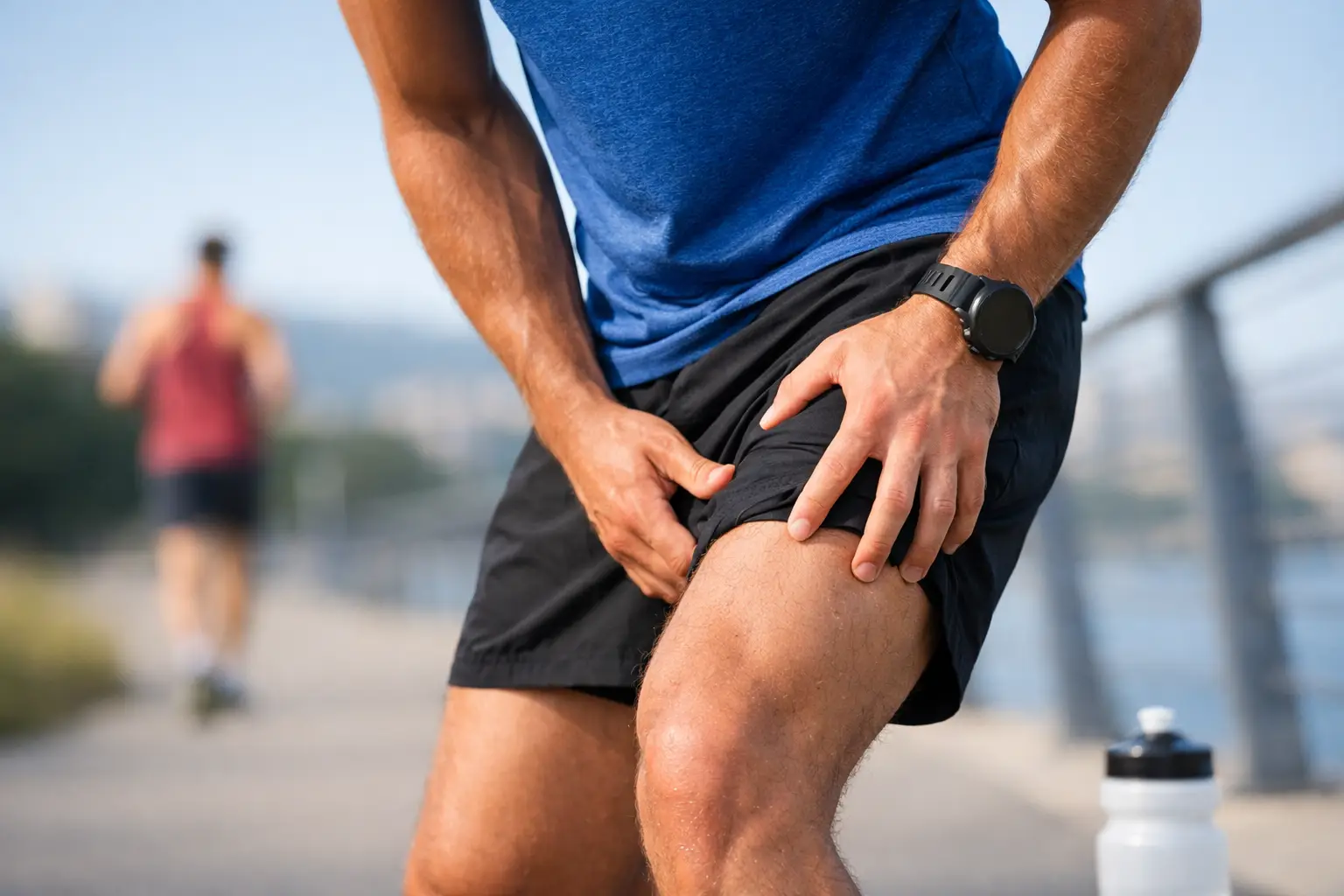
That sharp sting in your inner thigh or under your sports bra usually starts small. One mile later, it can turn an easy run into a long shuffle home.
Chafing is one of the most common running problems because it is caused by normal things – movement, sweat, fabric and repetition. The good news is that it is usually very fixable. If you know where it starts and what is making it worse, you can stop it before it ruins your training.
How to stop chafing when running
If you want the short answer, reduce friction, manage moisture and cover the spots that always rub. That means better-fitting kit, less trapped sweat and a proper anti-chafe product on the areas that flare up most often.
For most runners, chafing happens in predictable places. Inner thighs, underarms, nipples, groin, feet, waistband lines and around the bra band are the usual trouble spots. Some runners only get it on long runs. Others get it every time the weather turns warm or wet. It depends on your sweat rate, body shape, clothing fit and the route you are running.
The mistake is treating it like bad luck. It is usually a gear and prep problem, and that means you can solve it.
Why chafing happens on a run
Chafing is skin irritation caused by repeated rubbing. Running gives you thousands of repeated movements, so even a small bit of friction can build into a painful patch quite quickly.
Sweat makes this worse. Damp skin softens and becomes easier to irritate, while wet clothing can cling, bunch or rub more aggressively. Rain can have the same effect. Heat also matters because you tend to sweat more, and salty dried sweat can leave skin feeling raw.
Fit is the other big factor. Clothing that is too loose can shift around. Clothing that is too tight can create pressure points. Seams, labels, bra clasps and even the edge of a heart rate strap can become a problem if they hit the same area over and over.
Body shape plays a part too, and there is no point pretending otherwise. Runners of all sizes can chafe, but the exact location and cause can vary from person to person. The fix is not to force yourself into some ideal running kit. It is to find what works for your body and your mileage.
Start with the easiest fix: anti-chafe balm
If you only change one thing, make it this. A proper anti-chafe balm creates a protective layer that reduces friction before your skin gets irritated. It is simple, quick and far more effective than hoping your shorts behave differently this time.
Apply it before the run, not after the problem starts. Focus on the areas that have chafed before, even if they feel fine at the start. Inner thighs, underarms, bra line, nipples, toes and waistband edges are all common places to cover.
Some runners use petroleum jelly, but it is not always the best option. It can feel greasy, it may not last as well in heavy sweat, and it can stain some fabrics. A dedicated anti-chafe balm is usually cleaner and more practical for regular training.
If you are doing a long run, race or warm-weather session, take this step seriously. A small amount applied properly can save a lot of discomfort later.
The right kit matters more than most runners think
If your clothing is causing friction, no amount of mental toughness will fix it. The goal is simple: kit that stays put, moves with you and does not hold unnecessary moisture.
Look for technical running fabrics rather than cotton. Cotton absorbs sweat and stays wet, which is bad news for skin that is already rubbing. Performance fabrics are better at moving moisture away and drying faster.
Fit matters just as much as fabric. Shorts that ride up can cause thigh chafing. Tops that flap around can rub under the arms or across the chest. Sports bras need enough support to limit movement without digging in. For men, nipple chafing is often caused by a loose or wet top moving repeatedly across the skin.
Seams are worth checking too. Flat seams or smoother construction can make a real difference, especially on longer runs. If a piece of kit leaves a red line after a short session, it is probably not your best option for race day.
There is a trade-off here. Some runners prefer looser clothing for comfort, especially in summer. Others do better in more fitted gear because it moves less. Neither approach is automatically right. The best choice is the one that creates the least friction for your body.
Pay attention to sweat and weather
Hot, humid days make chafing more likely, but cold weather does not rule it out. Wet layers, trapped sweat and longer time on feet can still cause problems in winter.
In summer, lighter clothing and anti-chafe balm usually do most of the work. On rainy days, the issue is often soaked fabric rubbing where it normally would not. If you know you are heading out in the rain, think about what happens when your kit gets heavy and wet, not just how it feels dry in the house.
On long runs, a second application can help if conditions are harsh. This is especially true if you are marathon training, running trails or carrying a pack that creates extra contact points.
How to stop thigh chafing when running
Inner thigh chafing is probably the complaint runners mention most. It is painful, distracting and very common.
The usual fix is a combination of anti-chafe balm and shorts that do not creep up. Many runners find longer fitted shorts more reliable than short loose ones because there is less skin-on-skin rubbing. Others prefer a two-in-one style with a supportive inner layer.
If your shorts feel fine for the first twenty minutes and then start shifting, they are not really working. Chafing often shows up once sweat builds, so test kit on a proper run, not just while standing in front of the mirror.
Nipples, sports bras and underarm rub
These areas need a slightly different approach because the friction often comes from fabric edges rather than skin-on-skin contact.
For nipple chafing, the simplest answer is lubrication before the run and a top that does not bounce or drag when wet. Some runners use tape or nipple guards for long distances, which can work well, but only if they stay on and do not irritate the skin when removed.
For sports bra chafing, fit is everything. If the band shifts or the straps cut in, rubbing will follow. A bra that is fine for gym work may not be good enough for repeated running movement. Underarm irritation usually comes from arm swing against a vest edge or side seam, so a different cut can solve it fast.
Foot chafing and blisters count too
Chafing does not stop at your thighs and torso. Friction on the feet often turns into blisters, especially if your socks hold moisture or your shoes let your foot slide around.
Technical running socks are worth using. Seam placement, thickness and moisture control all matter. Shoes should feel secure without crushing your foot. If your heel slips or your forefoot moves too much, your skin will usually pay for it.
A bit of balm on hot spots can help here too, particularly on longer runs.
What to do if your skin is already raw
Once the skin is broken, prevention becomes treatment. Clean the area gently, pat it dry and avoid anything that keeps irritating it. A bland barrier cream can help protect the skin while it settles, but if it is badly broken, infected-looking or not improving, it is worth getting medical advice.
Do not apply anti-chafe balm to open, angry skin and expect it to feel fine. Prevention products work best before damage happens. If you try to run through severe chafing, you will usually make recovery slower.
This is where a missed rest day can cost you more than you expect. Sometimes the most practical choice is a short break, a clothing change and a proper reset.
Make your anti-chafe routine automatic
The runners who deal with chafing best are usually the ones who stop treating it as an occasional surprise. They know their problem areas, they prep before the run and they choose kit based on comfort over guesswork.
That does not mean buying loads of expensive gear. It means being honest about what is causing the problem and fixing that first. Often, one good anti-chafe balm and one reliable pair of shorts do more than a drawer full of almost-right kit.
If you want to keep things simple, build a small routine before longer or warmer runs. Apply balm, check your seams, choose moisture-wicking kit and do not save untested clothing for an important session. If you need a practical place to start, 4R focuses on straightforward running essentials that solve exactly these kinds of problems without overcomplicating things.
A comfortable run should not feel like a luxury. When your gear works properly and your skin is protected, you stop thinking about chafing and get back to the reason you went out in the first place.