

Blog
Best Anti Chafe Balm for Running

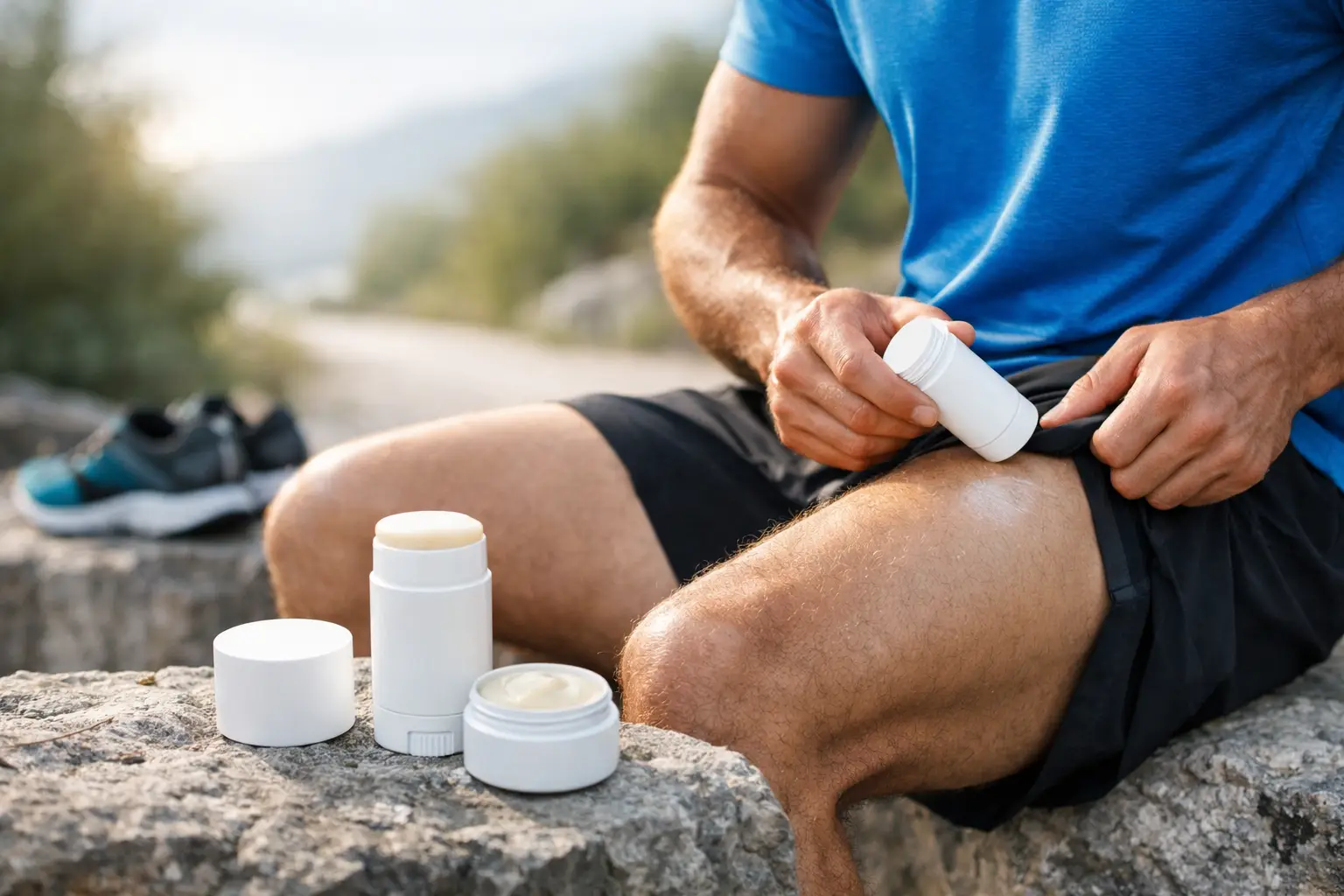
Running can feel brilliant right up until your skin starts rubbing raw. One hot spot under the arm, along the sports bra line, between the thighs or around your feet can turn an easy 5K into a grim final mile. If you are trying to find the best anti chafe balm for running, the right choice is usually the one you stop noticing completely – because it stays put, protects the skin and does not leave you feeling greasy.
That matters more than clever packaging or big claims. Most runners do not need a complicated skincare routine for training. They need something easy to apply, comfortable in motion and reliable enough for everyday runs, long runs and race day.
What makes the best anti chafe balm for running?
The best anti chafe balm for running should create a smooth barrier between skin and fabric without feeling heavy. It needs to reduce friction, handle sweat reasonably well and stay comfortable once your body heats up. If it melts away after twenty minutes or transfers straight onto your clothes, it is not doing the job.
Texture makes a real difference. Some balms are waxier and sit firmly on the skin, which can work well for longer distances or known problem areas. Others are softer and lighter, which can feel better for shorter runs or runners who dislike anything thick on their skin. There is no single perfect texture for everyone. A runner heading out for an easy 30-minute jog in cool weather may prefer something lighter, while someone training for a half marathon in summer may want a stick with more staying power.
Good anti-chafe balms also need to be practical. A twist-up stick is often easier and less messy than a tub, especially if you are applying it quickly before heading out. If you are using it regularly, portability matters too. You are more likely to keep using a balm if it fits easily in a gym bag or race kit.
Where runners usually chafe
Most people think of inner thighs first, but that is only one of the common trouble spots. Underarms are a big one, particularly if your running top has slightly rough seams or sits close to the body. Sports bra bands and heart rate monitor straps can also cause rubbing over time. Around the waistband is another area runners often overlook until they finish a longer session and realise the damage is already done.
Feet can be just as awkward. Socks, heat and repeated movement can create friction around the toes, heel or arch. In those cases, a balm can help, although fit and fabric still matter. If your shoes or socks are causing repeated rubbing, the balm may reduce symptoms without fixing the actual problem.
Nipple chafing is another issue for some runners, especially during longer runs or in wet conditions. Here, a balm can help, but it depends on sweat level, clothing choice and distance. Sometimes tape or patches are a better option. That is worth saying because anti-chafe balm is useful, but it is not magic.
Ingredients and feel – what to look for
You do not need a chemistry lesson before a run, but a few basics help. Many anti-chafe balms use waxes, plant oils, butters or similar conditioning ingredients to help the product glide and stay on the skin. The goal is simple – reduce friction and keep the area protected.
If you have sensitive skin, it is worth checking for strong fragrance or ingredients that have irritated you before. A heavily scented balm might smell pleasant at first, but if it stings once you start sweating, it quickly becomes a bad buy. The best choice for sensitive runners is often the simplest one.
You should also think about finish. Some balms feel almost dry once applied, while others remain slicker on the skin. A drier finish can be better if you dislike residue or want less chance of transferring product onto fabric. A slicker finish may feel more protective in high-friction areas. Again, it depends on where you are using it and how long you are out for.
Staying power matters more than first impression
A lot of products feel good in the first minute. That is not the real test. The real test is what happens once sweat builds, your form changes and your clothing starts moving differently ten kilometres in.
That is why the best anti chafe balm for running is not always the one that feels nicest in your hand. It is the one that keeps working after warm-up, through humidity, and during the final part of the run when small irritations become a lot more noticeable. If you are choosing between a balm that feels luxurious and one that is a bit plainer but lasts longer, most runners will be better served by the second option.
For race day, reliability is even more important. You do not want to try a heavily perfumed or unusually oily product for the first time before a big event. If a balm works for your long training runs, that is usually the smarter race choice too.
How to choose the right balm for your running
Start with your usual chafe points. If your issue is mainly thighs, you may want a balm with strong staying power and an easy glide. If it is underarms or bra lines, a lighter-feeling stick may be enough. If your feet are the problem, think about your sock and shoe setup at the same time.
Then consider distance and conditions. Short winter runs place different demands on a product than humid summer long runs. A beginner doing a few 3K sessions each week may not need the same level of protection as someone training for a marathon. Neither choice is wrong. The right balm is the one that matches how you actually run.
Price matters as well. There is no reason to assume the most expensive option is automatically the best anti chafe balm for running. In this category, practical performance usually beats prestige. A good affordable balm that you use consistently is more useful than a premium one you save for special occasions.
That is where runner-focused essentials tend to make more sense than lifestyle products dressed up for sport. At 4R, the idea is simple – solve the problem without overcomplicating it or overpricing it.
How to apply anti-chafe balm properly
Application is straightforward, but timing helps. Put the balm on clean, dry skin before you start sweating. Apply enough to create a protective layer, but not so much that it feels messy or starts shifting around.
Be honest about where you need it. If a certain seam or strap always causes trouble, deal with that spot before every run rather than waiting until it flares up again. Chafing is much easier to prevent than to calm down once the skin is already irritated.
For longer sessions, some runners like to carry a small stick for reapplication, especially in hot weather or during races. That can help, but if you are constantly needing to top up, it may be worth changing clothing, adjusting fit or trying a balm with better hold.
Balm is only part of the fix
Even the best anti-chafe balm for running works best alongside decent kit choices. Rough seams, soaked cotton, poor fit and old gear can all make rubbing worse. If you are repeatedly chafing in the same place, take a look at the clothing causing it.
Moisture management matters too. Technical fabrics, well-fitting socks and supportive underwear all reduce friction. So does not overdressing. More layers can mean more trapped heat and more rubbing, especially on milder days.
That is why anti-chafe balm should be seen as part of your running setup, not the only answer. Used with the right kit, it can make a huge difference. Used to fight against badly fitting gear every single run, it can only do so much.
When to replace your current product
If your balm leaves you reapplying mid-run, stains clothing badly, irritates your skin or only works in cool weather, it is probably time to switch. The same goes if you avoid using it because the texture is unpleasant or the packaging is awkward. A product can be technically effective and still be wrong for you.
The best anti-chafe balm for running should feel like an easy part of getting ready. Quick on, no fuss, no second thought. If it keeps your skin comfortable and lets you focus on the run instead of the rubbing, it is doing exactly what it should.
A small product that solves a very specific problem can improve your running far more than people expect. If chafing has been ruining good runs, the fix does not need to be fancy. It just needs to work, every time you lace up.