
Blog
Running Socks Comparison for Better Runs

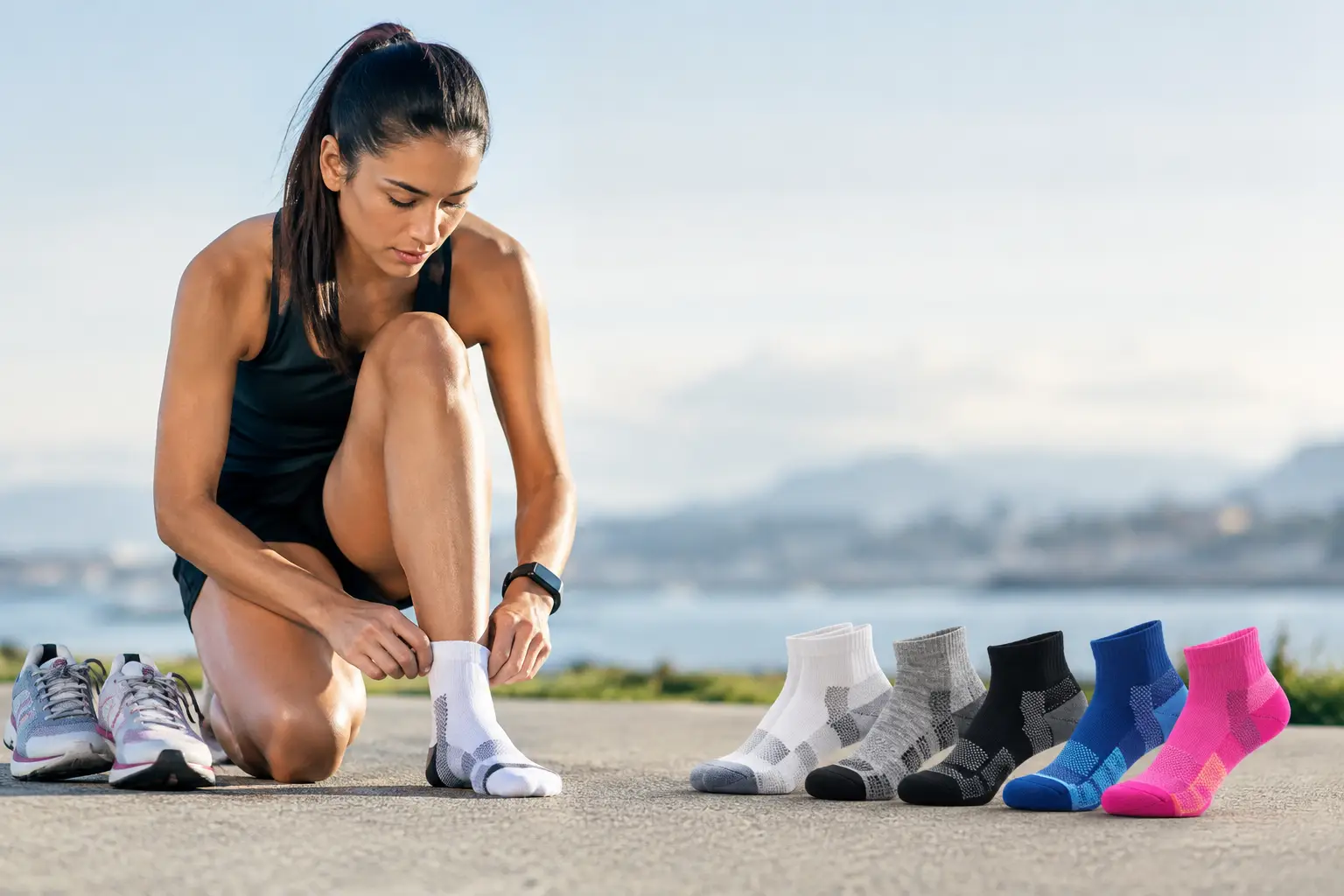
Your shoes get the attention, but your socks decide whether the run feels smooth or becomes a battle with hot spots, slipping fabric and blisters. A useful running socks comparison starts with the reality of your own runs: distance, weather, shoe fit and the places your feet usually complain first.
Cheap multipacks can look like a bargain, yet they often lose shape quickly, hold moisture and create friction exactly when your stride becomes tired. Runners deserve kit that lasts, works hard and does not feed the fast-fashion cycle. The right pair should support your training for months, not merely survive a few washes.
Running socks comparison: what actually matters
There is no single best running sock for every runner. A thin, close-fitting pair may feel brilliant for a fast 5K on a dry morning, while a cushioned crew sock can be the better call for a wet trail or a long Sunday session. Rather than choosing by colour or logo, compare socks through five practical factors: fit, fabric, cushioning, height and construction.
A good running sock stays put without squeezing the foot. It manages sweat without becoming heavy. It protects the areas that take repeated impact, and it should still be comfortable when your feet swell slightly towards the end of a longer run. Those are performance basics, not luxury extras.
Fit comes before everything else
If a sock bunches under the arch or slides down at the heel, it creates movement between your foot and shoe. That movement is friction, and friction is where blisters begin. A running sock should fit closely across the heel and midfoot, with enough room at the toes to avoid compression.
Do not assume one size fits all means a better deal. Socks sold across a very broad size range can work for casual wear, but runners often get a more reliable fit from a narrower size band. Check the heel pocket too. When it sits in the right place, the sock is less likely to rotate inside the shoe.
The cuff matters more than it seems. It needs enough grip to stay up, particularly in rain or on uneven ground, but it should not leave a deep mark around your ankle. If you notice numbness, tingling or a restrictive band after a run, the sock is too tight or simply not the right shape for you.
Fabric changes the whole feel of a run
Cotton is comfortable for everyday life, but it is rarely the best choice for running. It absorbs moisture, dries slowly and can leave your feet feeling cold or clammy. That is a poor combination when mileage rises or the British weather does what it does best.
Synthetic technical fibres, such as polyester, polyamide and elastane, are popular because they dry quickly, hold their shape and can be highly durable. They are a practical choice for runners who sweat heavily, run in frequent rain or want a lightweight feel. The trade-off is that quality varies hugely. A thin synthetic sock with weak stitching is still disposable kit, whatever the marketing says.
Merino wool blends are another strong option, especially for cooler conditions, trails and runners who value natural odour resistance. Merino can help regulate temperature and feels comfortable across changing conditions. It generally costs more and may take longer to dry than a very light synthetic sock, but a well-made blend can earn its place through durability and versatility.
For most everyday runners, a durable technical blend or merino blend is a sensible place to start. What matters is not chasing a miracle fabric. It is choosing a material that suits your climate, sweat level and how often you are willing to wash and rotate your kit.
Cushioning: more is not always better
Cushioning is often described as protection, but extra padding is not automatically the comfortable choice. Thick socks can soften impact around the heel and forefoot, which many runners appreciate on long runs and firmer pavements. They can also make a shoe feel tighter, warmer and less responsive.
Light cushioning suits runners who like a direct feel underfoot, wear snug racing shoes or train in milder weather. It can also reduce the chance of an already close-fitting shoe becoming cramped. Minimal socks are not necessarily less protective if they fit well and use reinforced yarn in high-wear zones.
Medium cushioning is the dependable middle ground. It works for daily road miles, gym sessions and mixed training without changing shoe fit too dramatically. If you are buying your first proper running socks, start here unless you already know you prefer a very thin or heavily padded feel.
Think about the shoe and sock as one system. If your trainers were fitted while wearing thin socks, switching to thick cushioned pairs for a half marathon is a gamble. Test the complete combination on shorter runs first, including the socks, shoes, laces and anti-chafe routine you plan to use on the day.
Sock height is about conditions, not fashion
No-show socks are light and unobtrusive, but they can leave the ankle exposed to shoe collars, trail debris and insects. They suit road runners who want the least fabric possible, provided the heel tab is high enough to prevent rubbing.
Ankle socks offer a little more coverage and remain a versatile option for everyday running. Crew socks are especially useful for trail routes, colder weather and runners who want protection from mud, grit or vegetation. They also make it easier to spot ticks after running through long grass.
Compression-style knee-high socks sit in a separate category. Some runners enjoy the supported feel during travel, recovery or long efforts, but they are not essential for everyone and should not be treated as a cure for injury. If you use them, check that they are designed for your intended purpose and that they do not create uncomfortable pressure.
Construction reveals whether a sock is built to last
Turn a sock inside out before buying if you can. Thick, scratchy seams around the toes can become irritating after an hour of repetitive movement. Seamless or low-profile toe construction is worth seeking out, particularly if you have previously had blisters at the front of the foot.
Look for reinforcement at the heel and toe. These areas receive the most rubbing and are usually first to wear through. Arch support bands can help a sock feel secure, though they should provide gentle structure rather than constriction. A shaped left and right sock can improve fit too, but it is not essential if the overall design works well for your feet.
Longevity is a sustainability issue. Buying three pairs that retain their fit is better than buying ten pairs that quickly sag, thin out and head for landfill. Wash socks at the recommended temperature, avoid unnecessary tumble drying and keep them away from rough fasteners that can snag delicate yarns. Small habits help useful gear stay useful.
Match your socks to the run you are doing
For short, quick road runs, choose a lightweight sock with a secure heel and minimal or light cushioning. For daily training, medium cushioning and a reliable technical blend give most runners a comfortable balance. For long-distance sessions, prioritise proven fit, targeted cushioning and fabric that handles your sweat well.
Trail runners should lean towards a slightly higher cuff and durable construction. Wet-weather runners may prefer quick-drying synthetic blends, while cold-weather runners often appreciate the warmth and temperature control of merino blends. If you are prone to blisters, do not keep changing variables at once. Test one new sock style over several runs and note where your feet feel pressure or rubbing.
It is also worth owning more than one type. A small, purposeful rotation is more useful than a drawer full of random pairs. Keep a lighter option for warm sessions, a more protective pair for longer runs and a tougher style for trails or winter miles. This reduces wear on each pair and means you are not forced to run in damp laundry after a busy week.
A better buying habit for runners
A running socks comparison should finish with one honest question: will you still want to wear these after fifty runs? Price matters, but the lowest price is not always the lowest cost. Socks that slip, tear or lose their shape create waste and can turn training into an avoidable discomfort.
Choose fewer pairs with a clear job, look after them properly and replace them when the cushioning is flattened or the fabric has become thin. That is a more responsible way to build a running kit, whether you are jogging around the block or training for your next big start line.
At 4R, we believe practical gear should help you keep moving without asking the planet to carry the cost. Find the socks that disappear on your feet, then put your energy where it belongs: enjoying the run.