

Blog
Reflective Straps vs Hi Vis Vest: Which Wins?

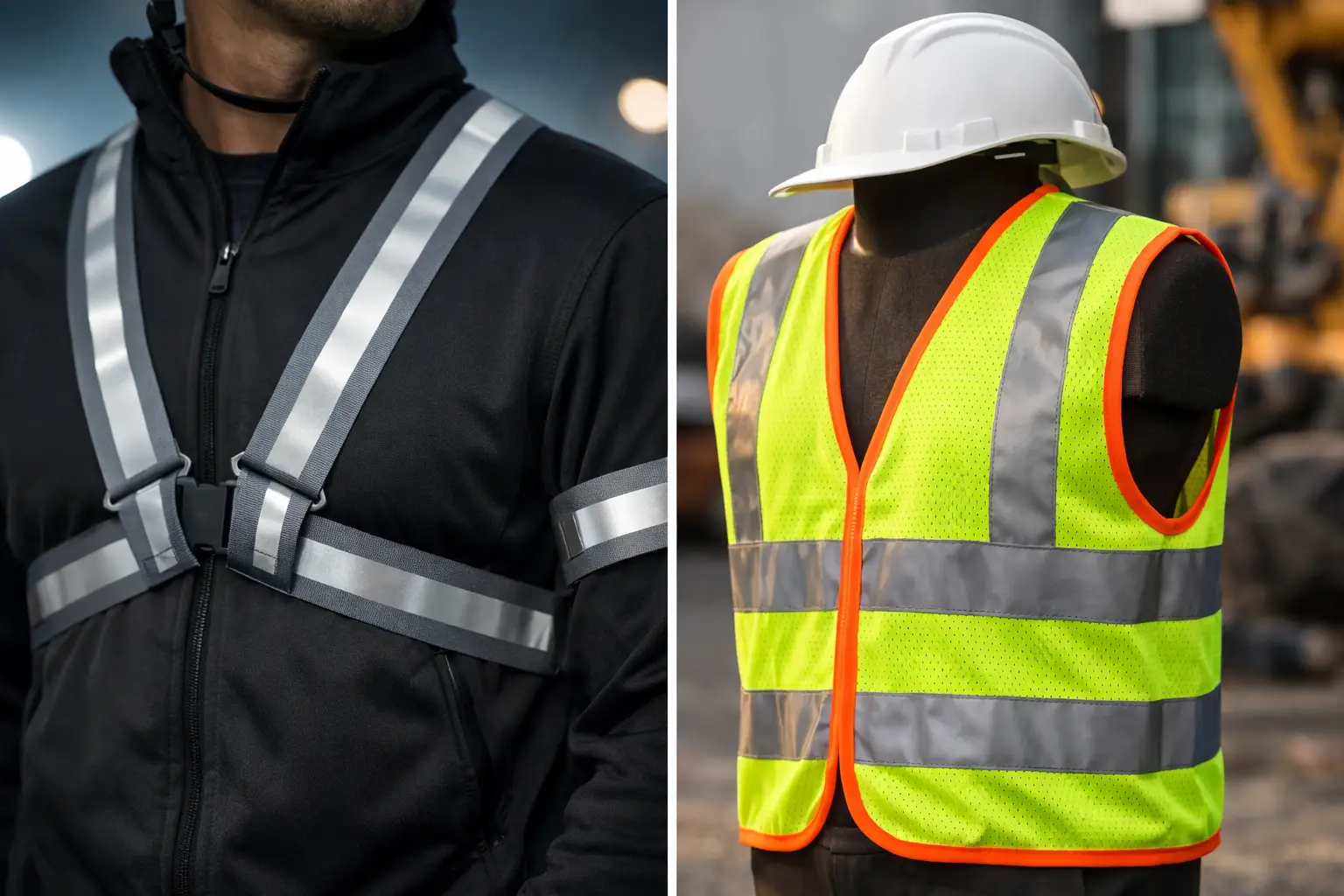
A dark 6am run along a wet road is not the place for gear that looks visible but does little when headlights appear. The reflective straps vs hi vis vest choice comes down to when you run, where you run and how much freedom you want from your kit. Both can help you be seen. Neither is a substitute for alert running, sensible routes or a proper light when conditions demand one.
For everyday runners, reflective straps are usually the more versatile answer to low-light training. A hi vis vest can still earn its place, especially for daytime road running and workplace-style requirements. The best option is the one you will wear consistently, comfortably and for more than one season.
Reflective straps vs hi vis vest: the real difference
A hi vis vest uses fluorescent material, commonly bright yellow, orange or pink, to stand out against the background in daylight, dawn and overcast weather. It works because fluorescent fabric responds to ultraviolet light. It is excellent for making your outline more obvious on a grey morning, beside traffic or on a busy shared path.
Reflective straps work differently. Their reflective panels bounce light back towards its source, which makes them particularly useful when a car’s headlights, a cyclist’s light or a streetlight catches you after dark. A well-positioned reflective harness can create a clear moving outline around your chest, back and shoulders without covering your whole running top.
That distinction matters. Fluorescent fabric is not automatically bright in complete darkness, and reflective material does not glow on its own. If you are running unlit lanes, trails or parks at night, add an active light such as a chest light or headtorch. Think of reflective gear as helping others identify you sooner, not granting a guarantee of safety.
Why runners often prefer reflective straps
The best running kit does its job without becoming another thing to tolerate. Reflective straps are light, adjustable and easy to layer over a T-shirt, a winter running jacket or a hydration pack. You do not need a separate high-vis garment for every change in temperature.
That makes them especially useful in the UK and Ireland, where one run can start cold and dry, turn damp halfway through and finish with a gusty shower. Loosen or tighten the straps around your layers, then put them away in a pocket or running bag afterwards. A vest is bulkier and can feel warm once you have settled into your pace.
A strap-style harness also leaves your arms free. For runners who dislike fabric flapping, riding up or trapping heat across the back, that difference is real. The aim is not to wear more kit. It is to wear the right amount of dependable kit.
Reflective straps can also be the lower-waste choice. One adjustable, durable piece can work across seasons and activities, from dog walks to commuting by bike. Instead of buying several novelty high-vis tops that lose their shape or get ignored in a drawer, choose gear with a clear purpose and a long working life.
When a hi vis vest is the better choice
A hi vis vest is not old-fashioned or pointless. It can be the better option when your run happens mainly in daylight but visibility is reduced by rain, fog, low cloud or busy roads. The large fluorescent surface is easy to spot, even before headlights become relevant.
It can also suit group runs, events, marshals and runners who want a straightforward outer layer that makes a bold visual statement. If your workplace requires a specific high-vis garment for a run commute, follow that policy rather than assuming a reflective harness meets the same requirement.
The trade-off is warmth and movement. A loose, cheap vest may flap in the wind, catch around a waist belt or feel damp against a running top. A tighter one can restrict layers beneath it. Fit matters more than people expect. If it annoys you at kilometre two, it will probably stay at home next time.
There is another practical point: not every hi vis vest is designed for running. Some are made for occasional roadside use, not repeated sweat, movement and washing. Check the construction, adjustability and care guidance before treating one as permanent training gear.
Visibility is about movement, not just bright fabric
Drivers and cyclists recognise movement quickly. That is why reflective details on the torso, arms, ankles and shoes can work well together. Straps create a recognisable body shape, while moving legs and arms add cues that help people judge that you are a runner rather than a static object at the roadside.
This does not mean you need to cover yourself in disposable accessories. Start with one quality reflective harness or straps, then consider where you run. On a pavement under streetlights, that may be enough alongside light-coloured clothing. On rural roads, near fast traffic or in heavy rain, active lighting becomes far more valuable.
Be honest about your route, too. A reflective vest or harness cannot fix poor road positioning, headphones that block traffic noise or a route with no safe verge. Run facing oncoming traffic where it is safe and appropriate, make your turns predictable, and give vehicles room. Being seen is a shared responsibility, but runners can make themselves easier to read.
Fit, comfort and layering decide what gets worn
Try your visibility gear over the clothes you genuinely run in. That means a thin summer top, a long-sleeve layer and your preferred waterproof or insulated jacket. Reflective straps should sit flat without digging into your shoulders or bouncing over your chest. Adjustable front and side straps make a meaningful difference when the weather changes.
For a hi vis vest, check that the armholes do not rub and that the hem does not ride up with every stride. If you carry a phone, keys or gels, make sure the vest does not interfere with your belt or pockets. More material does not automatically mean more useful gear.
Women and men alike should prioritise adjustability rather than settling for a generic one-size fit. Runners come in different shapes, and a secure fit improves both comfort and visibility. Twisted straps, bunched fabric and a constantly shifting vest reduce the benefit of wearing either option.
Choose gear that lasts beyond the first few runs
Visibility kit gets exposed to sweat, rain, road spray and repeated stretching. Treat it as performance equipment, not throwaway seasonal fashion. Follow washing instructions, avoid harsh treatment that can damage reflective finishes, and inspect straps, buckles and stitching regularly.
If reflective panels look cracked, badly worn or no longer react strongly to light, it is time to replace the item. Test your gear at home by shining a torch towards it from a distance. For fluorescent vests, replace fabric that has faded so heavily that it no longer stands out in daylight.
At 4R, we believe practical running gear should earn its place in your routine. Long-lasting, cross-functional essentials reduce clutter, reduce waste and help you spend on the things that actually support your running.
So, should you buy reflective straps or a hi vis vest?
Choose reflective straps if you regularly run at dusk or after dark, want a lightweight layer that works over different clothing, or need one piece of kit for running, walking and commuting. They offer flexibility without adding unnecessary bulk.
Choose a hi vis vest if you run mostly in poor daylight, need a simple bright outer layer, or are meeting a work, club or event requirement. It gives more fluorescent coverage, but may be less adaptable across temperatures and outfits.
For many runners, the strongest setup is reflective straps for routine low-light runs, paired with an active light for genuinely dark routes. Add a hi vis vest only where it solves a real problem. Buy less, choose well, and keep moving with the confidence that your gear is working as hard as you are.