

Blog
Recycled Textile Innovation That Runners Can Trust

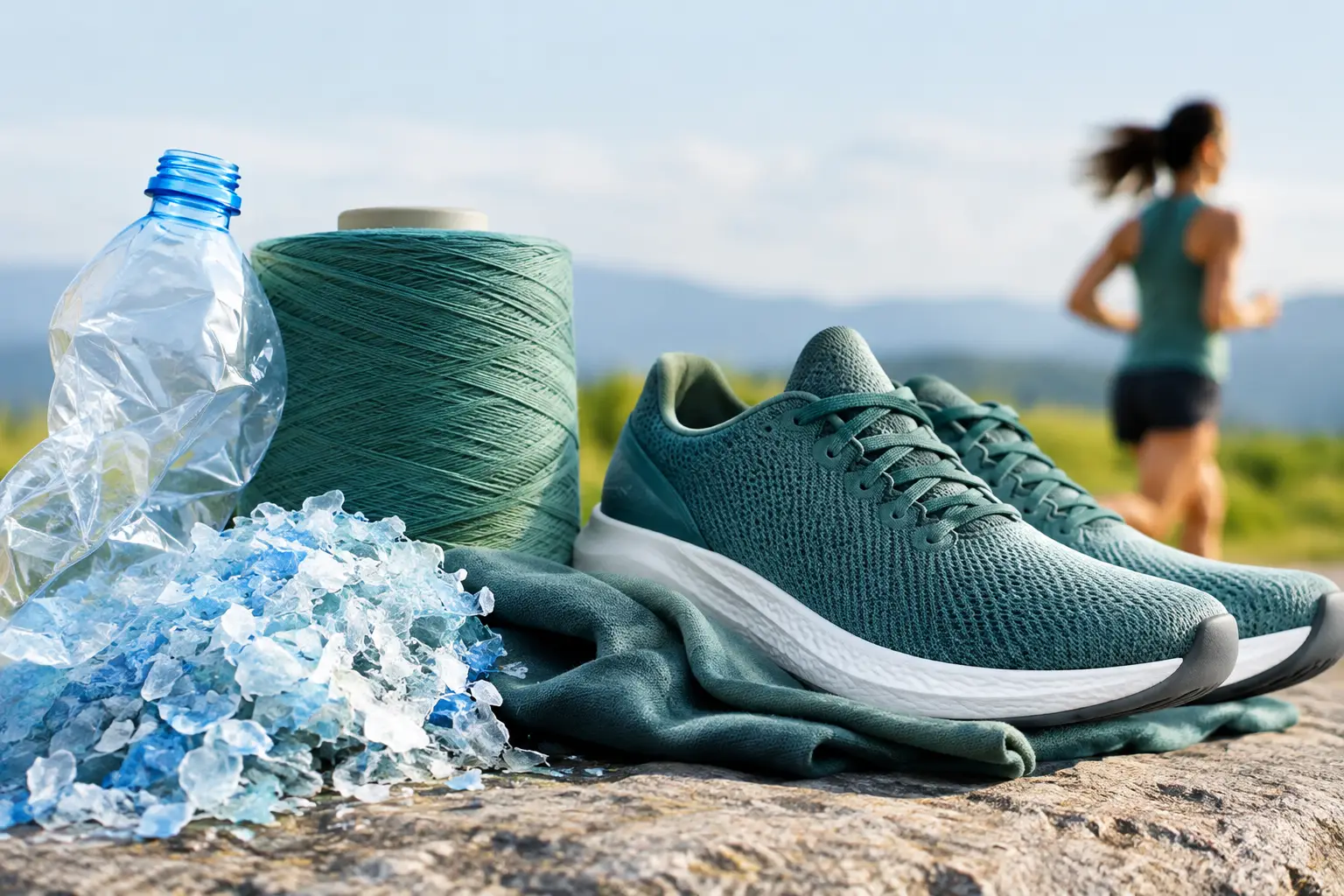
A running top should not become rubbish because it has seen a season of training, a few wet long runs and countless wash cycles. Recycled textile innovation is changing what activewear can be: performance kit made from existing materials, designed to keep moving for longer rather than feeding fashion’s throwaway habit.
For runners, the question is not whether a fabric has a recycled label. It is whether it stays comfortable when the pace rises, handles repeat washing, fits the job and earns its place in a smaller, harder-working kit drawer. That is where real progress begins.
Why recycled textile innovation matters for running kit
The sportswear industry has trained us to expect constant novelty. New colours, new drops, new reasons to replace perfectly serviceable clothing. That model creates waste at speed, and technical fabrics can be particularly difficult to deal with once they are worn out.
Recycled textiles offer a more responsible starting point. Instead of relying only on virgin raw materials, manufacturers can turn waste streams such as plastic bottles, fabric offcuts and old garments into fibres and yarns for new products. Done well, this can reduce demand for new fossil-based materials and help keep useful resources in circulation.
But runners should expect more than a good story on a swing tag. A recycled running layer still needs to manage sweat, avoid irritating seams, retain its shape and survive the reality of regular use. Sustainability that fails after a handful of runs is not sustainability. It is simply another short-lived purchase.
Not all recycled fabrics are the same
“Made with recycled materials” can describe very different processes. Knowing the difference helps you buy with more confidence and spot vague claims.
Recycled polyester: familiar performance, better sourcing
Recycled polyester is common in technical activewear. It is often made by processing used plastic bottles or production waste into new fibres. The resulting fabric can be lightweight, quick-drying and durable, which explains why it suits running tops, base layers and outerwear.
Its strength is practical: it can deliver the performance runners expect while reducing reliance on virgin polyester. The trade-off is that polyester remains a synthetic material. It may shed microfibres during washing, and it is not automatically easy to recycle again once blended with elastane, coatings, prints or other fibres.
That does not make recycled polyester pointless. It means brands and buyers must be honest about what it solves and what it does not. Buying fewer, better pieces and wearing them for years is still one of the biggest wins.
Recycled nylon: useful where abrasion is the enemy
Nylon is valued for toughness. In running gear, it can be especially useful in jackets, tights, packs and areas that take repeated friction. Recycled nylon can come from industrial waste, old textiles or materials such as discarded fishing nets.
It is a strong option where durability matters most, but fabric construction matters as much as fibre source. A thin recycled nylon shell designed for occasional showers is not the same as a hard-wearing layer built for muddy trails and regular use. Match the garment to your running, rather than buying the most technical-looking option.
Textile-to-textile recycling: the bigger prize
Turning old clothing into new clothing is the direction many people want the industry to take. It is also harder than turning bottles into fabric. Garments are often made from mixed fibres, zips, labels, dyes and finishes. Sorting and separating those components at scale is difficult.
Mechanical recycling breaks materials down physically, which can shorten fibres and sometimes requires blending with new material to maintain quality. Chemical recycling can separate or rebuild certain fibres, potentially producing high-quality output, but it requires infrastructure, energy and careful oversight.
This is genuine innovation, not a magic fix. The best systems will make garments easier to sort, repair and recycle from the first sketch, not attempt to solve every problem at the end of a product’s life.
What good recycled running clothing should deliver
A responsible choice should never ask you to accept unreliable kit. When assessing recycled performance clothing, start with the same standards you would apply to any running layer: comfort, function and longevity.
Look closely at fabric weight and intended use. A breathable tee may be ideal for warm road miles but offer little protection on a windy winter morning. A heavier recycled layer can be more versatile for commuting, walking and recovery days, which may help it earn more wear across your week.
Fit matters too. Chafing can turn a promising run into a grim one, regardless of how responsible the fabric claims are. Consider seam placement, stretch, waistband security and whether the garment stays put when you move. For low-light running, visibility features must be useful rather than decorative. Reflective details should support safe training, not replace proper lighting where conditions demand it.
Finally, judge value by cost per wear, not the cheapest price at checkout. A £12 top that loses its shape quickly is rarely a bargain. A fairly priced layer you reach for through hundreds of runs is better for your wallet, your training and the planet.
The design choices that decide whether kit lasts
Fibre content is only part of the story. The most credible recycled textile innovation sits inside thoughtful product design.
A durable garment needs stitching that can handle movement, colours that do not fade immediately and construction that does not rely on fragile finishing tricks. It should also avoid unnecessary complexity. Every extra panel, bonded detail and mixed-material trim can make repair and eventual recycling more difficult.
There is a balance to strike. Runners need stretch in tights and close-fitting layers, so elastane is often useful. But high-stretch blends can be harder to recycle. The responsible response is not to ban every blended fabric. It is to use the right material in the right amount, build it to last, and avoid treating garments as disposable.
The same principle applies beyond clothing. A rechargeable headlight, dependable reflective vest strap or set of no-tie laces can solve a real running problem without demanding a complete wardrobe refresh. Functional gear that prevents discomfort, improves visibility or extends the use of shoes deserves a place in a lower-waste routine.
How runners can support better materials without buying more
The most sustainable purchase is often the one you do not need to make. Before replacing a running layer, ask whether it can be repaired, cleaned properly or reassigned to gym sessions, walking or messy trail days.
When you genuinely need new kit, choose with purpose. Build a compact rotation around pieces you will use often: a dependable short-sleeve top, a warmer layer, tights or shorts that do not rub, and weather protection suited to where you run. Avoid buying five versions of the same job because a new colour appeared in your feed.
Care also affects impact. Wash technical kit only when needed, use a cooler wash, avoid excessive detergent and air dry where possible. Heat can be hard on elastic fibres and repeated harsh washing shortens the useful life of performance clothing. Washing synthetic layers in a bag or filter designed to capture fibres can also help reduce microfibre release.
At 4R, based in Newry and serving runners across the UK, Europe and beyond, we believe performance gear should work hard without asking the planet to carry the cost of disposable fashion. That means favouring practical, durable choices over seasonal hype.
The next test is accountability
Recycled content is worth celebrating, but it should be the start of the conversation, not the end. Stronger brands will explain what materials are used, why they were selected and how a product is built to last. They will resist inflated environmental claims and keep improving where the answer is not yet perfect.
For runners, that is good news. Your choices can reward companies that make useful kit, reduce waste and respect the miles you put in. Choose gear that supports the run in front of you, then keep it moving for as long as possible.