

Blog
Recycled Nylon Versus Virgin Nylon for Runners

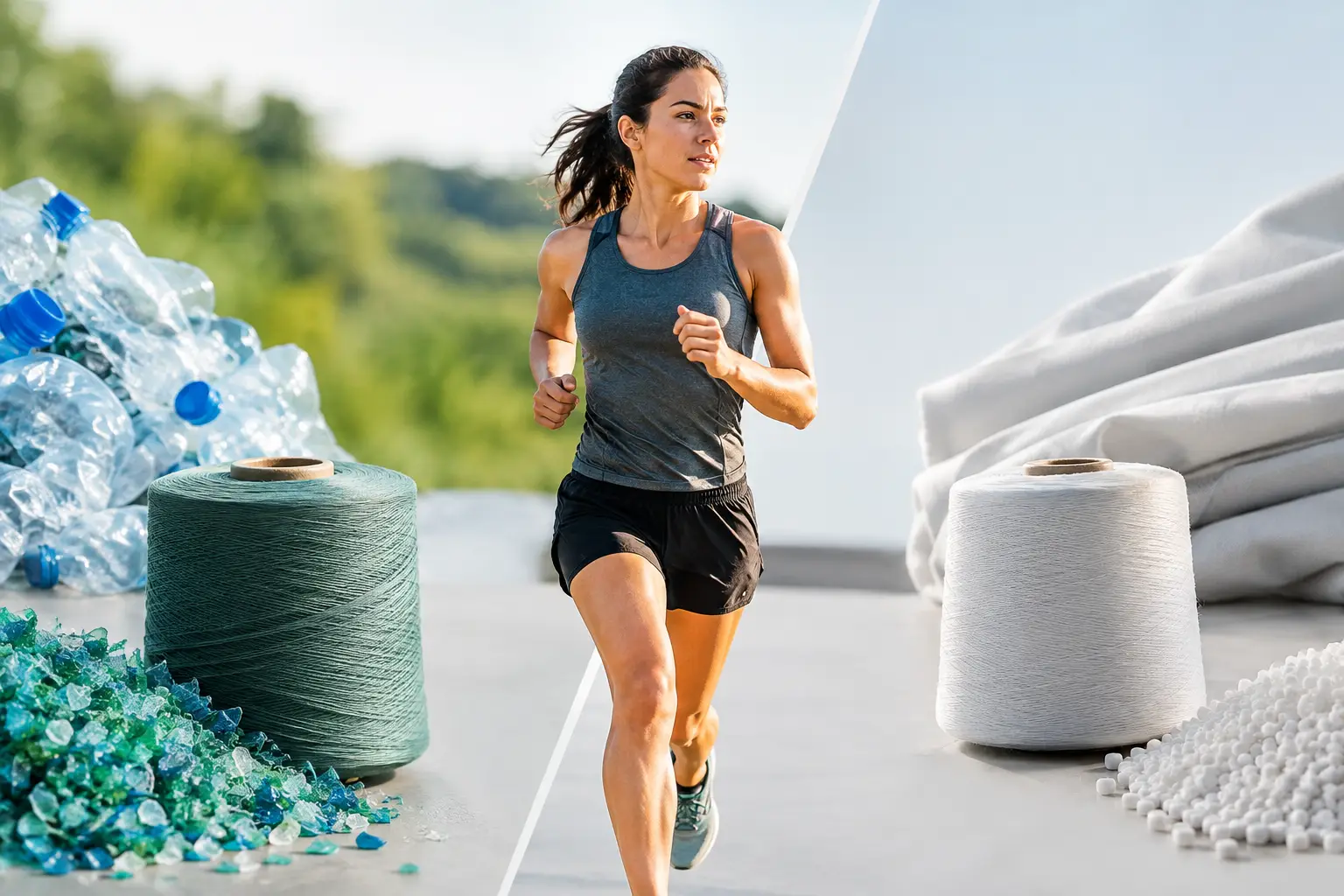
A running top or pair of tights can look identical on the rail, yet the fibre behind it tells a very different story. Recycled nylon versus virgin nylon is not just a label debate. It affects where the material comes from, how long your kit can serve you, and whether your next run supports a throwaway fashion cycle or pushes back against it.
For runners, the right answer is rarely about chasing a perfect material. It is about choosing dependable gear, wearing it hard, caring for it properly and refusing to treat performance clothing as disposable.
Recycled nylon versus virgin nylon: the core difference
Nylon is a synthetic fibre, also known as polyamide. It is valued in running apparel because it is light, hard-wearing and smooth against the skin. It can help garments hold their shape, withstand repeated movement and cope with the rubbing that comes with long miles.
Virgin nylon is made from new raw materials, usually fossil-fuel-based chemicals. The process creates polymer from scratch before it is spun into yarn and woven or knitted into fabric. It can deliver highly consistent quality, which is one reason it has been used so widely in technical clothing, bags and outdoor gear.
Recycled nylon uses waste as its starting point instead. Depending on the supply chain, that may include industrial fabric offcuts, discarded carpets, fishing nets or other nylon waste streams. The material is processed into usable polymer and made into new yarn.
That shift matters. Rather than relying entirely on newly extracted fossil resources, recycled nylon gives existing material another useful life. It also creates demand for waste collection and recovery systems that have long been overlooked by the fashion industry.
Does recycled nylon perform as well?
For everyday running kit, high-quality recycled nylon can perform extremely well. It can be soft, resilient and suitable for garments that need to stretch, recover and survive regular washing. A recycled nylon running layer should not be viewed as a compromise by default.
The crucial words are high quality. Fibre source, recycling method, yarn construction, fabric weight and garment design all affect the final result. A well-made recycled nylon vest or pair of shorts may outlast a poorly made virgin nylon alternative. Equally, a cheap garment made with recycled content is still cheap if its seams fail, its fit shifts or it is designed for a few wears rather than a few seasons.
Virgin nylon may offer greater consistency in certain specialist applications, particularly where a manufacturer needs tightly controlled technical properties. That can be relevant for highly demanding equipment. But for most runners choosing layers, leggings, jackets or practical accessories, construction and intended use deserve as much attention as the fibre label.
Look for fabric that feels substantial enough for its job, stitching that can take movement, and a fit that does not create rubbing. Sustainable material is only useful if it helps you run comfortably and keeps showing up for the next session.
Strength is only one part of durability
Durability is not simply about whether a fibre is strong. A garment has to resist abrasion, retain its shape, manage sweat and remain comfortable over time. A running piece can use tough yarn but still disappoint if the waistband rolls, the zip catches or the fabric pills quickly at high-friction points.
For that reason, the best purchase is often the one you will genuinely use week after week. One reliable layer that handles easy runs, winter miles and travel is more responsible than several novelty pieces that spend most of their lives in a drawer.
The environmental case needs honesty
Recycled nylon is generally chosen to reduce reliance on virgin fossil-based inputs and to keep nylon waste in circulation. Those are meaningful benefits, especially in an industry that produces far too much clothing and discards far too much of it.
But recycled does not mean impact-free. Recycling nylon requires collection, sorting, transport and processing. Those stages use energy. The environmental benefit also depends on the waste source, the recycling technology and how the finished product is made and moved through the supply chain.
There is another hard truth: synthetic clothing can shed tiny plastic fibres during washing. Recycled nylon does not automatically solve that challenge, and neither does virgin nylon. Washing less often where appropriate, using cooler cycles and choosing a wash bag or filter designed to capture fibres can help reduce what leaves your home.
Then there is the end of a garment’s life. Many performance fabrics are blended with elastane for stretch or combined with zips, labels and trims. These additions make kit work better on the run, but they can make textile-to-textile recycling more difficult. The industry needs better systems here, not vague promises printed on a hangtag.
At 4R, we believe sustainability has to stand up to real use. It is not about buying more because something carries a greener-looking claim. It is about choosing purposeful kit, using it fully and rejecting the churn of fast fashion.
When virgin nylon may still make sense
A blanket ban on virgin nylon would ignore the real world. Some products need particular performance characteristics, and recycled feedstock is not available in every format, grade or location. In some cases, virgin nylon may be the practical choice for safety-critical components or highly specialised gear.
The responsible question is not whether every item contains a single perfect fibre. Ask whether the material choice is justified, whether the product is built to last and whether the brand is transparent about what it is selling.
A new virgin nylon item that performs for years is not the same as a flimsy, trend-led piece designed to be replaced after a handful of outings. Longevity changes the equation. So does buying only what you need.
How runners can choose better nylon gear
Start with the job the item must do. A lightweight summer vest, a reflective outer layer and a cold-weather tight face different demands. Choose fit and function first, then look for recycled nylon where it is appropriate and clearly stated.
Be wary of vague sustainability language. A brand should be able to say what is recycled, not merely use a leaf icon or a broad environmental claim. If a garment is blended, that is not automatically a problem, but clarity helps you understand its likely feel, stretch and end-of-life options.
Think beyond the purchase too. Dark, early starts and wet roads demand gear you can trust. If reflective straps, lights, no-tie laces or anti-chafe essentials help you run more safely and comfortably, choosing durable versions can prevent repeat purchases and wasted kit.
Finally, resist the false economy of the ultra-cheap replacement cycle. A lower price at checkout can cost more if fabric loses shape, seams split or comfort disappears after a month. Good running gear earns its place through mileage.
Make the material work harder
Your care routine has a direct effect on the life of nylon running apparel. Air kit after a run when it is not heavily soiled, then wash it only when needed. Turn garments inside out, follow the care label, avoid excessive heat and skip fabric softener where it can interfere with technical finishes.
Drying gently rather than blasting items with high heat can help preserve elastic fibres and shape. Repair a loose seam or damaged drawcord early. Small fixes are not glamorous, but neither is sending a perfectly usable running layer to landfill.
The strongest choice is not always the garment with the most impressive-sounding fibre claim. It is the piece that fits your run, lasts through real training and keeps one more unnecessary item out of the waste stream. Choose with intent, wear it with pride, and let every mile prove that performance does not need to come at the planet’s expense.