

Blog
Are Recycled Fabrics in Activewear Worth It?

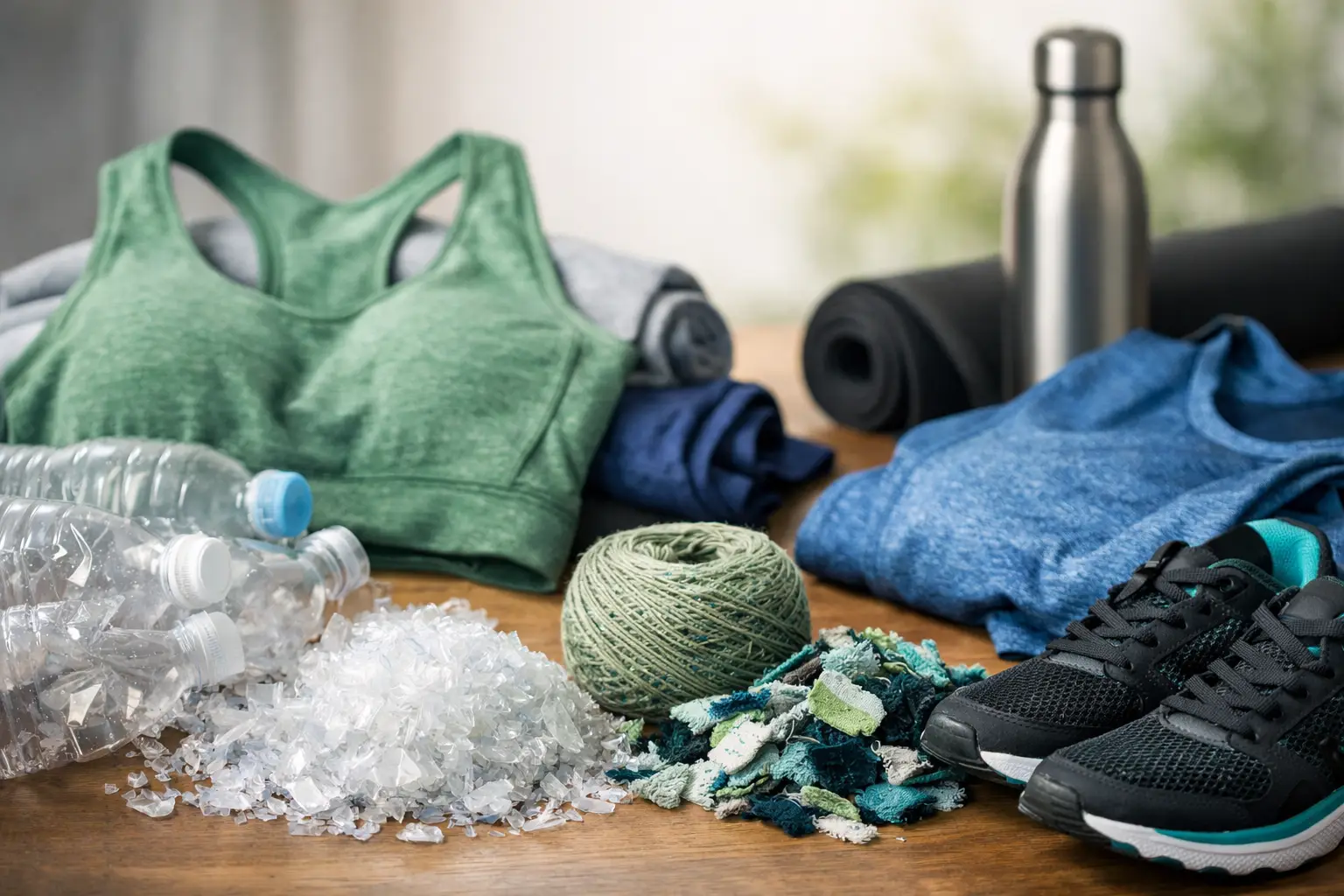
A running top should not become rubbish after one hard season. Yet far too much sportswear is made, worn briefly and discarded. Recycled fabrics in activewear offer a better route: performance kit that puts existing materials back to work, rather than demanding more virgin resources for every new tee, tight or jacket.
For runners, the question is not whether sustainable clothing sounds good. It is whether it can handle sweat, repeated washing, long runs and the regular reach for the kit drawer. The honest answer is yes, often very well – but the label alone does not tell the whole story. Fabric choice, construction, fit and how long you wear it all matter.
What recycled fabric really means
Most recycled performance fabrics begin life as waste. Recycled polyester is commonly made from used plastic bottles or recovered textile waste. The material is cleaned, broken down and spun into new fibres that can become lightweight, quick-drying running clothing. Recycled nylon may come from industrial waste, old fishing nets or fabric offcuts.
This is useful because polyester and nylon are popular in activewear for good reasons. They are light, hard-wearing and manage moisture far better than a heavy cotton top once your run gets warm. Using recycled versions can reduce reliance on newly produced fossil-fuel-based materials and gives waste a longer working life.
But recycled does not automatically mean impact-free. Turning waste into usable yarn still uses energy, water and processing. Most technical garments also combine several materials, such as elastane for stretch, which can make recycling the finished item harder later on. A credible sustainability claim should leave room for this reality rather than pretending one fabric solves fashion’s waste problem.
Why recycled fabrics in activewear suit runners
Running clothing earns its place through use. If a recycled tee feels clammy, a pair of leggings slips at the waist or a jacket falls apart after a few washes, it is not a responsible choice simply because it contains recycled fibres. The best recycled fabrics in activewear meet the same basic standard as any dependable running kit: they let you move freely and keep showing up.
Comfort comes first
A good recycled polyester running top can feel soft against the skin, move sweat away from your body and dry quickly after a wet or demanding session. For everyday runners, that means less time feeling chilled after stopping at traffic lights or finishing a run in cool weather.
The fabric itself is only part of the comfort equation. Flat seams can reduce rubbing, a well-cut neckline can prevent chafing and a fit that moves with your stride makes a bigger difference than a sustainability badge ever could. If you regularly run long distances, pay close attention to the areas that rub: underarms, waistbands, inner thighs and bra lines.
Durability is environmental performance
The most sustainable running top is not necessarily the one with the highest recycled-content figure. It is the one you will wear for years.
A durable garment spreads the impact of making it across hundreds of runs rather than a handful. That is why quality stitching, shape retention and fabric resilience deserve as much attention as the fibre source. A slightly higher-priced piece that survives weekly training can be better value, and a better environmental choice, than repeatedly replacing a cheaper option that loses its fit.
This also suits a more practical running wardrobe. Instead of buying separate outfits for every distance, season and social post, build around reliable pieces that work across your regular training. Layer when the weather changes. Wash, wear and repeat.
Performance should not be a compromise
There was a time when some recycled synthetic fabrics felt stiff or less refined than their virgin counterparts. Manufacturing has moved on. Recycled yarns can now be engineered for breathability, stretch and smooth next-to-skin comfort, making them entirely suitable for everything from a parkrun to a marathon training block.
That said, performance needs differ. A loose recycled polyester tee may be ideal for easy runs and gym sessions, while a fitted recycled nylon blend with elastane may work better for tights that need recovery and support. For high-sweat conditions, look for lightweight, fast-drying construction. For winter layers, consider whether the garment traps enough warmth without becoming bulky.
What to check before you buy
Sustainability can be made confusing by vague phrases and impressive-looking tags. Keep your decision simple. Start by checking what the item is actually made from and whether the brand is clear about it. “Made with recycled materials” can mean a small percentage, while a specific fibre breakdown gives you something meaningful to assess.
Then consider the garment you need, not just the garment being marketed. A breathable vest you will wear twice a week is more useful than a fashionable layer that stays in the cupboard. Think about fit, weather, the type of running you do and what is already missing from your kit.
Look for these practical signs of a piece worth keeping:
- Clear information about fabric composition and recycled content.
- Strong seams and considered details around high-friction areas.
- A versatile cut you can use for more than one type of session.
- Care guidance that helps the item last rather than treats it as disposable.
Ethical production matters too. Recycled fabric addresses one part of the problem, but people making the garment deserve safe conditions and fair treatment. Brands should be prepared to stand behind both their materials and their manufacturing choices.
The trade-offs worth knowing
Synthetic activewear, recycled or otherwise, can shed tiny plastic fibres during washing. This is not a reason to abandon a useful running layer, but it is a reason to care for it properly. Wash only when needed, choose a cooler wash, avoid unnecessary harsh cycles and air dry when possible. A washing bag designed to capture fibres can also help reduce what enters wastewater.
Recycled polyester is also not always recyclable again at the end of its life, especially when blended with elastane, printed with graphics or combined with zips and trims. A garment designed from one material can be easier to recycle, but it may not deliver the stretch or function required for every running product. There is no perfect answer here. The sensible goal is fewer, better items, used for longer.
Cost can be another consideration. Responsible materials and ethical production are not always the cheapest route, particularly when brands are producing smaller quantities. But affordability should mean real value, not a low price that hides poor quality. Choose the pieces that solve a genuine running need and hold up over time.
Make your running kit go further
How you use your kit has as much impact as what it is made from. Rotate tops and tights so individual garments have time to dry and recover between sessions. Treat stains promptly, follow the care label and avoid fabric softener on technical clothing, as it can affect moisture-wicking performance.
When a piece is no longer right for running, it may still have a life for walking, strength sessions, DIY or layering under everyday clothes. If it is genuinely worn out, look for local textile collection options rather than sending it straight to general waste.
At 4R, the aim is straightforward: equip runners with practical products that support the miles without supporting disposable fashion. That means choosing gear for its job, caring for it well and expecting it to last.
Your next running layer does not need to promise perfection. It should fit well, perform when the weather turns, and be made with more respect for the resources already in circulation. Buy the kit you will reach for on an ordinary Tuesday morning. Those are the miles that make the difference.