

Blog
Rechargeable Light Reliability Case Study

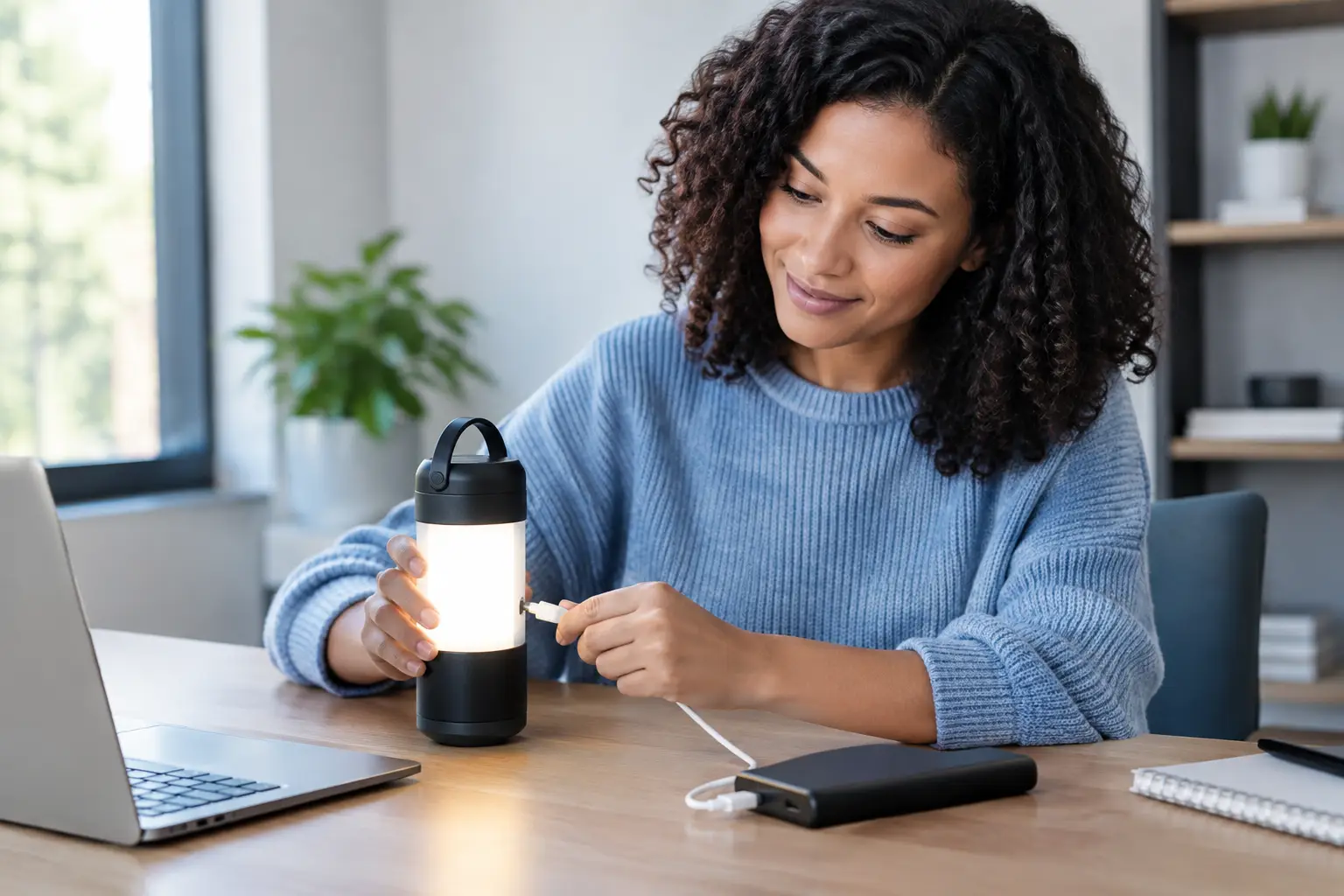
A light that fades halfway through a dark run is not a minor inconvenience. It changes your footing, your visibility and your confidence when you are furthest from home. This rechargeable light reliability case study looks at what dependable illumination really means for everyday runners, beyond bright packaging claims and one-off first impressions.
For runners in Northern Ireland, where wet lanes, early sunsets and changeable weather are familiar territory, reliability is earned in use. The same applies whether you are heading out before work in Belfast, training through a winter evening in Manchester, or running a coastal route in Galway. A rechargeable light has one job: be ready when you need it.
The real test starts after the first run
A new running light can look impressive straight out of the box. It charges quickly, shines brightly and feels like an easy upgrade. But reliability is not about day one. It is about whether the light still performs after repeated charging cycles, damp conditions, cold mornings and hurried packing before an evening session.
For this case study, we focus on the conditions that matter most to a regular runner: several runs each week, a mix of road and trail, changing temperatures, occasional rain and the inevitable missed charging session. The goal is not to chase maximum brightness at all costs. It is to assess whether a light remains useful, predictable and safe over time.
What runners need from a rechargeable light
The strongest result was simple: predictable performance matters more than headline output. A light that provides a consistent beam for the full planned run is more valuable than one that starts extremely bright but drops sharply without warning.
A runner also needs controls that work with cold fingers, gloves or wet hands. Fiddly buttons create frustration at best and a safety issue at worst. The same goes for charging ports. A well-protected port and a secure cable connection help keep the light practical through a full training season.
The best gear disappears into your routine. You charge it, clip it on and get out the door. That is the standard worth demanding.
Rechargeable light reliability case study: the key findings
After repeated use, four reliability factors stood out: battery management, weather resistance, fit and charging discipline. Each affects whether a light delivers when it counts.
1. Battery claims need real-world context
Battery life is usually quoted under controlled conditions, often on a lower setting. That does not make the figure misleading, but runners should treat it as a starting point rather than a promise for every run.
Higher brightness uses more power. Flashing modes may extend runtime, while cold weather can reduce available battery capacity. A light that comfortably lasts two hours indoors may offer less certainty on a wet, near-freezing evening. This does not mean rechargeable lights are unreliable. It means choosing a light with a sensible buffer is smarter than buying to the exact minute.
If your usual run takes 45 minutes, do not select a light rated for only one hour at your preferred setting. Build in enough capacity for a delayed finish, a wrong turn or a longer session when you are feeling good.
2. Rain resistance is not the same as invincibility
Runners need lights that can cope with rain, road spray and sweat. Those are everyday conditions, not extreme demands. Yet water resistance is often misunderstood. A light designed to withstand rain still should not be treated as if it can be submerged, power-washed or left in a puddle after training.
The practical lesson is to dry the unit after a wet run, especially around the charging port and switches. Let it air-dry fully before plugging it in. Charging a damp device is an avoidable way to shorten its useful life.
This small habit supports the bigger sustainability picture. The most responsible product is not just one made with better intentions. It is one that stays in service for years rather than being replaced after a season.
3. A secure fit protects the battery and the runner
A light that bounces, twists or slips is not reliable, even if its battery is excellent. Chest lights, head torches and clip-on LEDs all need to stay stable while you move. A shifting beam can make uneven ground harder to read and distract oncoming road users.
Fit also affects how likely you are to use the light. If it is uncomfortable across the chest, rubs at the shoulders or feels bulky over a running jacket, it will stay in a drawer. Dependability includes usability.
Before committing to a longer route, test the fit on a short familiar run. Adjust straps while wearing the layers you actually use in colder weather. A vest strap that works over a thin tee may need a different setting over a waterproof jacket.
4. Charging habits decide long-term reliability
Most rechargeable-light failures are not dramatic manufacturing faults. They are routine failures: a flat battery, a forgotten cable, a light left in a cold car or a device put away wet.
The easiest fix is to create a repeatable pre-run habit. Charge after a longer night run rather than waiting for the battery indicator to become urgent. Keep the supplied cable in the same place as your shoes or reflective gear. Check the power level before you leave, not at the first dark stretch of your route.
There is a trade-off here. Constantly topping up after every short run may be unnecessary, while repeatedly draining a battery completely can be unhelpful for long-term performance. The sensible middle ground is regular charging based on your weekly mileage and the light setting you use most.
What failure looked like in practice
The less dependable outcomes followed familiar patterns. A light with no clear low-battery warning created uncertainty late in a run. Another common issue was a charging port clogged with grit or moisture after being tossed into a kit bag. In both cases, the light itself was not necessarily poor quality, but the design and care routine left too much room for failure.
A useful running light should communicate clearly. Battery indicators, simple mode changes and an obvious lock function all reduce the chance of arriving at your start point with a dead or accidentally activated device.
It is also worth recognising that no single light suits every runner. A commuter running lit urban streets may prioritise being seen, using a flashing rear or chest light. Someone on unlit country roads or trails needs enough forward illumination to spot changes in surface and direction. The more demanding the route, the more battery reserve and beam control matter.
Choosing gear that lasts beats buying twice
Disposable sports gear is a false economy. Cheap lights that fail after a handful of wet runs create waste, cost more over time and leave runners without confidence when visibility matters most. Better choices are not always the most expensive ones. They are the products designed for repeated use, backed by practical features and treated with basic care.
At 4R, that is the standard we believe running gear should meet: functional, affordable and made to stay useful. Runners should not have to choose between performance and consuming less.
When comparing rechargeable lights, look beyond the brightest number on the box. Consider the battery runtime at the setting you will genuinely use, the quality of the straps or mounting point, the clarity of the charge indicator and whether the light can handle the weather you actually run in.
A better routine for darker runs
Reliable visibility comes from a system, not one purchase. Charge your light before it becomes critical, pair it with reflective elements, check the forecast and choose the setting that gives you enough runtime for the route ahead. If you run in isolated or unlit areas, carry a little more capacity than you think you need.
The closing thought is straightforward: your running light should give you freedom, not another thing to worry about. Choose it carefully, look after it well and let the darker miles remain part of the joy of running.